This article explores how architecture can bridge the urban-rural divide by fostering dialogue rather than division. Drawing on global examples, it highlights how design can connect economies, balance sustainability, and blend the best of both worlds. Ultimately, it argues that architecture’s role is not to choose between urban and rural futures, but to help both thrive together.
The divide between urban and rural life is often framed in terms of opportunity versus tradition, density versus openness, or modernity versus heritage. Yet, this binary is not inevitable. Architecture, when practiced thoughtfully, has the power to dissolve these boundaries - connecting communities, sharing resources, and celebrating the unique strengths of both environments. More than just designing buildings, architects can shape experiences that allow the rural and urban to enrich one another.
Lessons from Rural Ingenuity
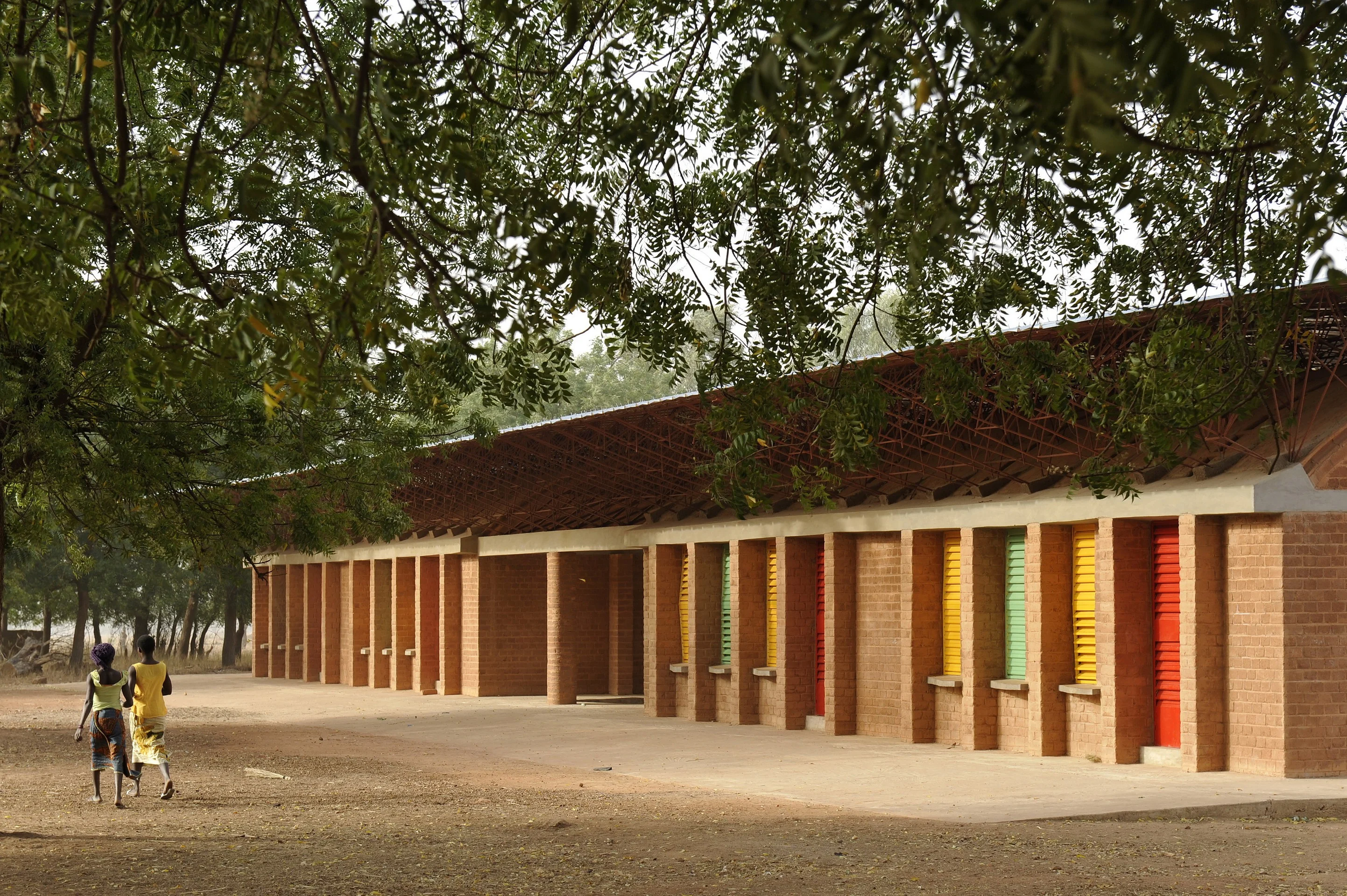
Rural communities often embody a kind of resilience and resourcefulness that cities can learn from. Think of Francis Kéré’s Gando Primary School in Burkina Faso - built with local clay, community labor, and simple passive cooling techniques. It provides not only a space for learning but also a model of how modest rural design can influence global conversations on sustainability. Such projects remind us that the rural is not a place left behind but a laboratory of low-tech, high-impact innovation.

Gando Primary School uses local materials to inspire global design conversations
Hybrid Spaces: Where City Meets Countryside
The most exciting projects are those that create hybrid conditions - borrowing from both worlds. Maggie’s Centres in the UK, designed by leading architects such as Zaha Hadid and Norman Foster, are urban healthcare facilities that embody rural qualities: gardens, natural light, and a sense of retreat. In contrast, the Songyang Storyteller’s House in China integrates urban-style cultural programming into a rural village, drawing urban tourists while revitalizing local identity. These projects show that the rural and urban are not opposites but continuums that can be interwoven.

Maggie’s Centres soften urban life with rural-inspired calm and human-scale spaces

Songyang Storyteller’s House exemplifies how architecture can preserve cultural heritage while revitalizing rural economies
Architecture as a Connector of Economies
The urban-rural divide is not just cultural - it’s economic. Architecture can create spaces that allow traditional livelihoods to thrive in modern markets. The Thread Cultural Centre in Senegal, designed by Toshiko Mori, merges exhibition spaces with agricultural infrastructure like water retention systems. It’s not just a building - it’s an ecosystem that enables rural communities to sustain themselves while engaging with wider cultural networks.
Similarly, urban farmers’ markets or rooftop farms in cities like New York and Tokyo adapt rural practices to urban contexts, showing that exchange can flow both ways.

Thread Cultural Centre integrates culture and agriculture, supporting rural self-sufficiency
Sustainability as Common Ground
One personal observation: when I look at truly innovative sustainable projects, I often see them drawing inspiration from both worlds. The Edge in Amsterdam, one of the world’s greenest office buildings, relies on smart technology to minimize energy use. On the other hand, rural projects like the Bamboo Sports Hall in Thailand by Chiangmai Life Architects show how local, natural materials can achieve both beauty and durability. Taken together, they prove that cities need the wisdom of the countryside, just as rural communities can benefit from urban innovation.

Bamboo Sports Hall demonstrates rural wisdom in sustainable material use
Toward a Balanced Future
Bridging the urban-rural divide through architecture is less about homogenizing places and more about enabling dialogue. It’s about ensuring that a child in a rural village has access to dignified schools, while city dwellers can enjoy spaces that reconnect them to nature and community. It’s about designing not only for today’s needs but also for the cultural and environmental resilience of future generations.
Architecture is uniquely positioned to mediate this balance. It can give voice to the overlooked, soften the harshness of urban density, and reveal the dignity embedded in rural traditions. The real task ahead is not deciding whether the future belongs to cities or villages, but asking how design can help both thrive - together.
Save this story. A free account keeps your reading list and the 07:00 email in one place.
CREATE FREE ACCOUNT →SIGN IN