
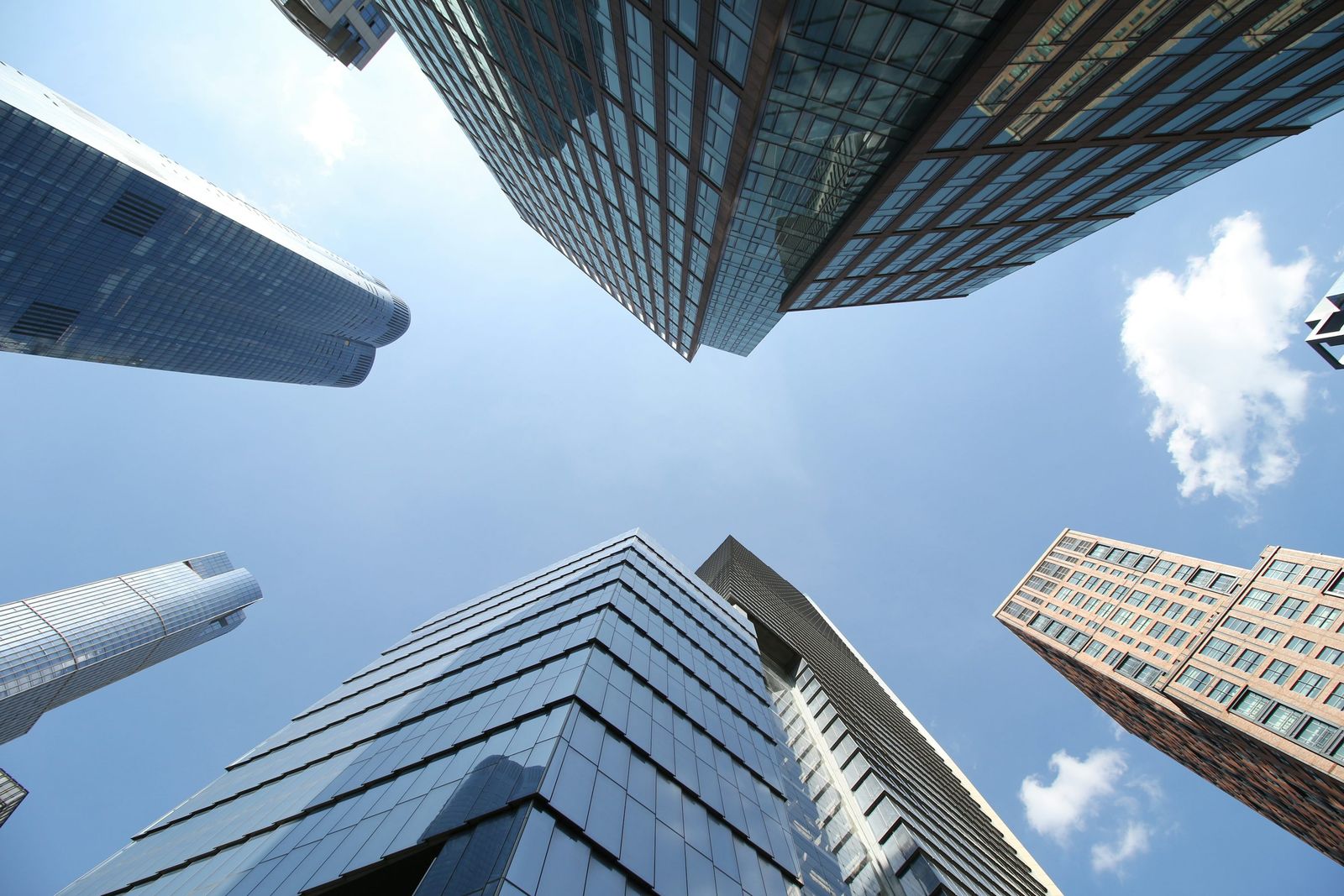
Looking up at a skyline today can provoke both awe and concern. Skyscrapers, long celebrated as icons of human ambition, are increasingly being scrutinized under the lens of climate responsibility. In an era defined by climate anxiety, the question is no longer just how tall a building can be, but how sustainably it can exist.
The challenge is clear. Traditional high-rises are often energy-intensive, consuming vast amounts of electricity for heating, cooling, and lighting. Glass façades, once a symbol of modernity, can exacerbate energy use. For example, the Burj Khalifa in Dubai, an architectural marvel, requires enormous energy for cooling in the region’s extreme heat. Similarly, many full-glass towers in Singapore and Bangkok rely heavily on air conditioning to maintain comfort, highlighting the tension between aesthetics and ecological responsibility.
Yet, skyscrapers do not need to be environmental liabilities. Projects such as Bosco Verticale in Milan demonstrate how vertical architecture can support biodiversity, with greenery integrated into façades that absorb CO₂ and regulate temperature. Singapore’s Oasia Hotel Tower, covered in climbing plants, not only reduces heat gain but also provides habitats for urban wildlife. Even 1 Bligh in Sydney incorporates a high-performance glass façade and energy-efficient systems to minimize its carbon footprint while maintaining visual impact. These examples show that high-rises can be reimagined as living, responsive ecosystems rather than inert objects.


The transformation of skyscrapers goes beyond technology, it also involves rethinking cultural values. Historically, height has been a measure of prestige and power. But in climate-conscious cities, the new metrics of success may focus on resilience, efficiency, and environmental harmony. Adaptive reuse is one strategy gaining traction: New York’s One Times Square, while iconic for its billboards and history, now incorporates energy-saving retrofits and efficient systems. Modular and prefabricated construction is also helping reduce material waste in new towers, as seen in Kohn Pedersen Fox’s recently completed modular high-rise in Seattle.
Densification, when executed thoughtfully, remains a crucial tool for sustainable urban growth. Vertical living can reduce urban sprawl, preserve green spaces, and support public transportation networks. The challenge is designing skyscrapers that balance human comfort with environmental stewardship. Innovations such as double-skin façades, solar-integrated cladding, rainwater harvesting, and smart energy management systems are increasingly central to new projects, from the Salesforce Tower in San Francisco to the Kaktus Towers in Copenhagen.


However, structural and economic inertia poses a barrier. Developers and investors often prioritize rapid returns over long-term sustainability, and retrofitting existing towers can be costly. Overcoming these challenges will require both policy support and bold architectural thinking. The skyscraper of the future will likely combine high performance with ecological sensitivity, demonstrating that verticality and sustainability are not mutually exclusive.
The horizon of the world’s cities is evolving. Future skylines may not be defined by record-breaking heights, but by their capacity to coexist with the environment. When skyscrapers become ecosystems - absorbing carbon, generating energy, and supporting urban life - they will move from symbols of human dominance to markers of responsibility. In this new era, the skyline’s value will be measured not only in meters or prestige, but in its harmony with the planet.
Save this story. A free account keeps your reading list and the 07:00 email in one place.
CREATE FREE ACCOUNT →SIGN IN