
An iconic building may capture the public imagination, while a thoughtfully designed interior can transform the way people experience a space. Yet behind these individual achievements lies a broader measure of excellence: the ability of a design practice to develop ideas, cultivate talent, and deliver meaningful work consistently over time.
As Asia's built environment continues to evolve, the expectations placed on architecture and design firms are becoming increasingly complex. Creative vision must be supported by technical expertise, collaborative thinking, and an understanding of changing environmental, cultural, and social needs. While individual projects reveal a firm's creative capabilities, its underlying philosophy and working culture determine how those capabilities grow and endure.
The Foundations of a Distinctive Design Practice
A compelling portfolio offers a glimpse into a firm's achievements, but its deeper identity often lies in the thinking that connects its work.
Strong design practices establish a clear philosophy without becoming confined to a repetitive visual language. Their principles provide direction while allowing each project to respond to its specific location, users, and purpose. This may involve bringing nature into dense urban environments, reinterpreting cultural heritage through contemporary architecture, or exploring more responsible approaches to materials and construction.
Equally important is the ability to translate creative ambition into practical outcomes. Architecture and design are inherently collaborative disciplines, requiring coordination among designers, engineers, manufacturers, clients, and communities. The strength of a practice is therefore reflected in how effectively it guides ideas from research and concept development through implementation and long-term use.
This balance between creative vision and adaptability is particularly significant across Asia, where rapid urbanization, climate challenges, cultural diversity, and changing lifestyles continue to reshape the built environment.
Asian Practices, Distinctive Perspectives
Across the region, several architectural practices demonstrate how a consistent design philosophy can generate distinctive work while addressing broader industry challenges. Their approaches offer valuable insights into the qualities that contribute to a resilient and forward-thinking firm.
Singapore-based WOHA is recognized for integrating architecture, landscape, and environmental thinking into urban development. Projects such as Oasia Hotel Downtown and Kampung Admiralty demonstrate how greenery, communal spaces, and ecological considerations can become integral to high-density architecture. At Kampung Admiralty, the combination of senior housing, healthcare facilities, and public spaces also illustrates how thoughtful planning can encourage community interaction and intergenerational living.
WOHA's work highlights how a clear design philosophy can extend beyond aesthetics to address urban liveability, environmental performance, and social well-being.

In Thailand, HAS Design and Research, founded by Jenchieh Hung and Kulthida Songkittipakdee, explores contemporary Asian architecture through design and research. Drawing inspiration from the relationship between nature and the built environment, the studio examines local materials, urban patterns, and everyday spatial experiences. Projects such as Aluminum Grotto and Public Ground in Bangkok showcase how material experimentation and architectural form can transform the experience of a space.
Its approach demonstrates how continuous research and contextual exploration can become drivers of innovation, helping firms develop distinctive ideas that remain relevant to their surroundings.

Meanwhile, B.L.U.E. Architecture Studio, established in Beijing by Japanese architects Shuhei Aoyama and Yoko Fujii, explores the intersection of urban environments, cultural identity, and contemporary lifestyles. Its multidisciplinary portfolio includes the renovation of a historic residence in Suzhou into a shared urban space and the transformation of a century-old house in Kyoto into a guesthouse.
These projects demonstrate how existing architecture and cultural context can inspire new functions and experiences, turning preservation into an opportunity for contemporary design.

Together, these practices demonstrate three complementary approaches to building a strong design identity: integrating environmental and social considerations, making research a driver of innovation, and responding thoughtfully to the character of each place.
Their work also reinforces an important distinction: consistency in design practice does not necessarily mean repeating a recognizable aesthetic. It means maintaining a coherent set of principles while remaining open to new ideas, contexts, and possibilities.
Developing Capabilities Beyond the Portfolio
The strength of a design firm is not determined solely by what appears in its completed projects. Behind every successful outcome are the people, processes, and partnerships that make it possible.
Talent development and knowledge sharing are essential to sustaining creative standards as a practice grows. When expertise is cultivated collectively rather than concentrated among a few individuals, firms become better equipped to manage complex projects, explore new directions, and maintain the quality of their work across different scales.
Innovation, likewise, does not always require an entirely new architectural language or the adoption of emerging technologies. It may be found in more efficient construction methods, responsible material selection, improved accessibility, or approaches that reduce a project's environmental footprint.
For firms seeking to strengthen their long-term capabilities, three principles remain particularly relevant:
- Define a clear design philosophy. Establish distinctive principles that guide the practice while allowing flexibility across different project contexts.
- Invest in collective expertise. Develop talent, collaborative processes, and professional partnerships that transform creative ideas into effective outcomes.
- Measure impact beyond completion. Evaluate how projects serve their users, perform environmentally, and contribute to the communities around them.
Ultimately, a firm's influence is measured not by the size of its portfolio alone, but by the quality of its thinking, the strength of its people, and the value it continues to create.
Recognizing Excellence at the Firm Level
As architecture and design increasingly emphasize collective expertise and long-term professional capability, industry recognition is also evolving beyond individual projects to acknowledge the organizations responsible for shaping them.
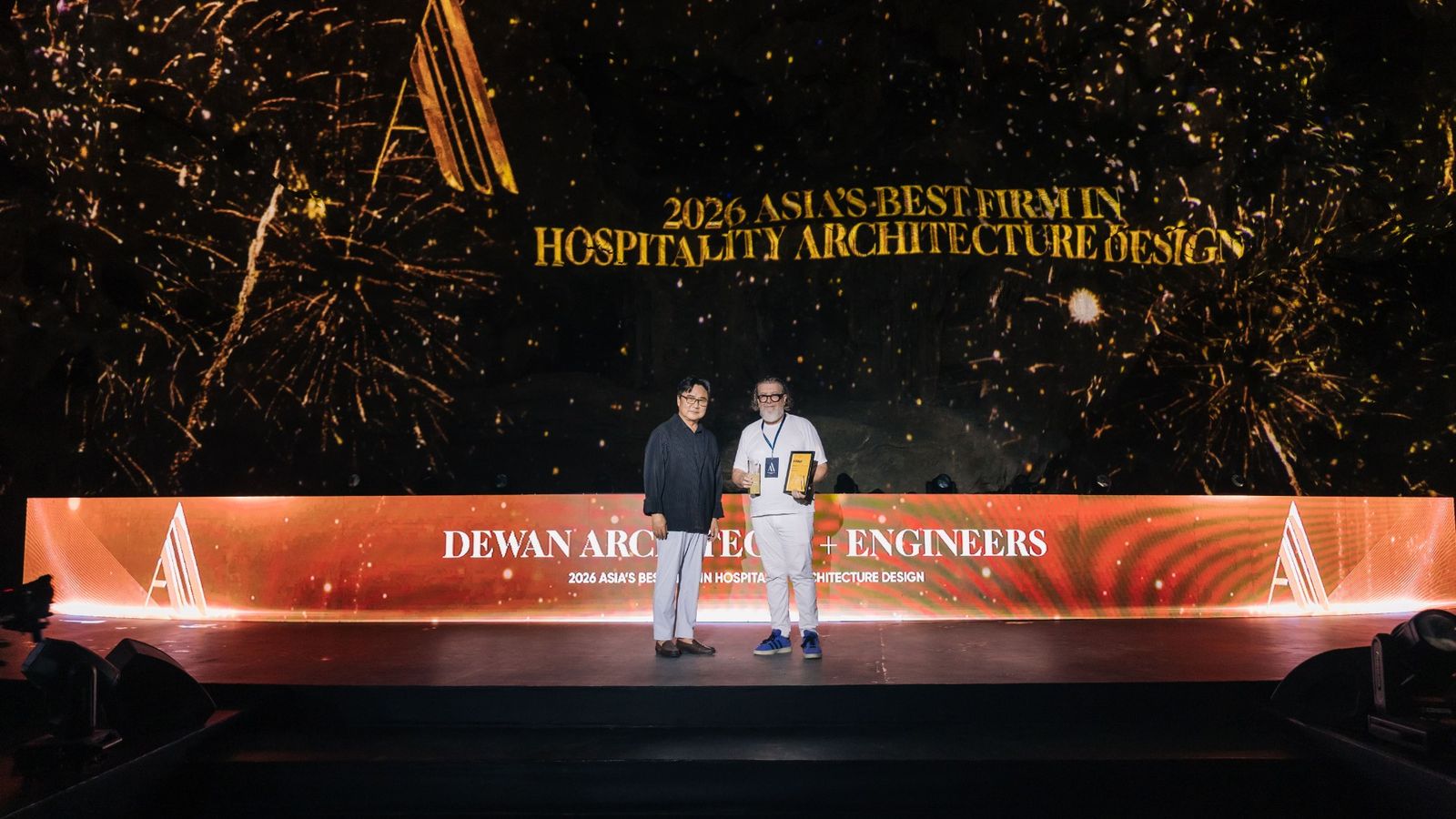
The 2027 Asia Architecture Design Awards (AADA) reflects this broader perspective through its recognition of excellence across architecture, interior, and furniture design, alongside dedicated disciplines celebrating outstanding firms.
These firm-focused categories include:
- Asia's Best Firm in Architecture Design
- Asia's Best Firm in Interior Design
- Asia's Best Firm in Furniture Manufacturing & Retailing
By recognizing organizations alongside individual design achievements, these disciplines offer architecture practices, interior design studios, and furniture businesses an opportunity to demonstrate their creative direction, professional expertise, and contributions to the industry.
For firms operating in Asia's diverse and competitive design landscape, such recognition can extend their professional visibility, strengthen industry credibility, and create opportunities to connect with a wider network of designers, businesses, and industry stakeholders.
More importantly, firm-level recognition brings attention to the collective effort behind outstanding work. It acknowledges that meaningful design achievements are rarely the result of individual creativity alone, but emerge from a shared commitment to quality, innovation, and continuous development.
In this context, awards become more than a celebration of completed projects. They provide a platform for examining the ideas, capabilities, and professional values that will shape the next generation of architecture and design practices.

Shaping the Next Chapter of Asian Design
The future of Asian architecture and design will depend on practices capable of balancing creative ambition with responsibility, cultivating diverse talent, and responding meaningfully to the evolving needs of people and places.
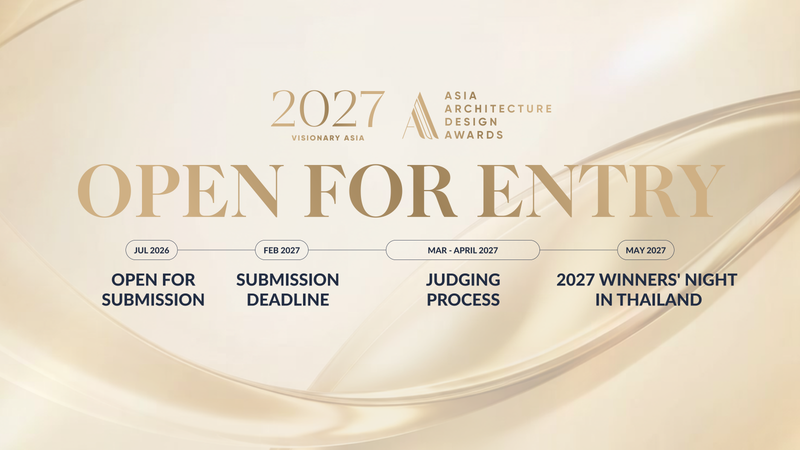
Under the theme "Visionary Asia", the 2027 Asia Architecture Design Awards provides a regional platform for architecture and design firms to present their achievements, share their perspectives, and gain recognition for the principles that distinguish their work.
With submissions open until 25 February 2027, architecture practices, interior design studios, and furniture businesses are invited to explore the award categories and showcase their contributions to the industry.
Discover submission details at aadawards.com.
Save this story. A free account keeps your reading list and the 07:00 email in one place.
CREATE FREE ACCOUNT →SIGN IN