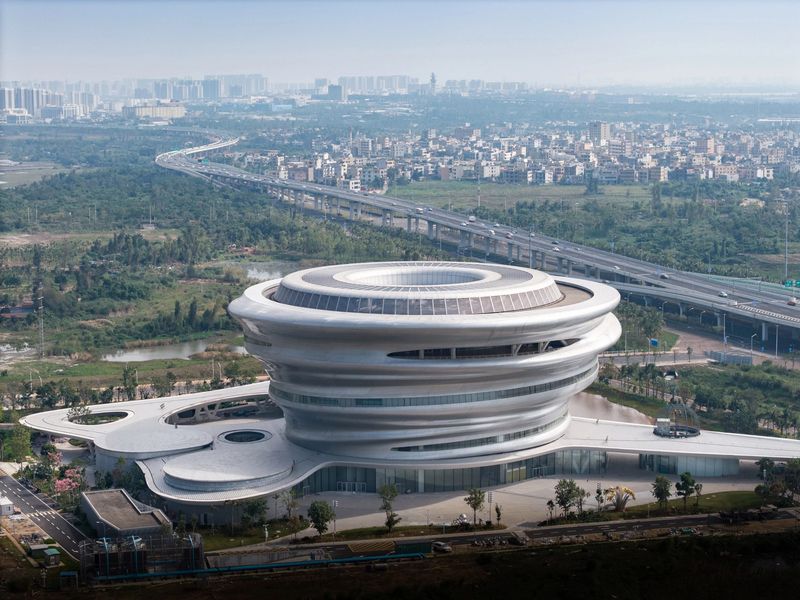

Museum architecture isn’t just a backdrop for many institutions, it is part of the exhibition. These museums around the world redefine how visitors experience art, culture, and history by blurring the line between building and storytelling. From sweeping organic forms to bold geometric statements, here are eight institutions where architecture is as compelling as the collections they house.
1. Louvre Abu Dhabi - Abu Dhabi, UAE
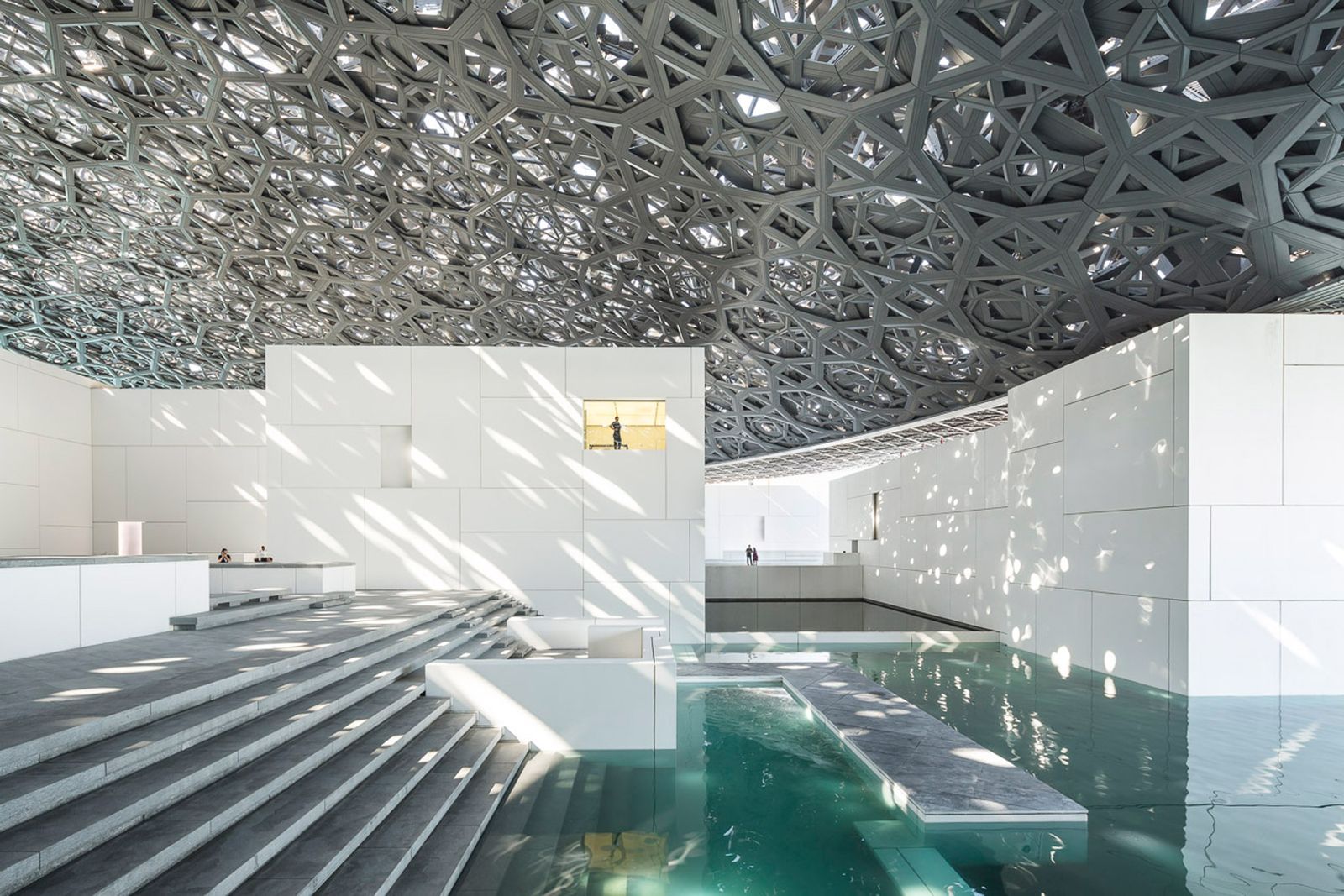
Designed by Jean Nouvel, the Louvre Abu Dhabi greets visitors with a monumental dome, over which light filters like “rain of light,” casting intricate shadows across the galleries. The architecture plays with traditional Arab design and contemporary aesthetics, creating a contemplative, almost spiritual atmosphere. The building itself becomes a mediator between cultures, framing exhibitions with a narrative of connection and shared heritage.


2. Guggenheim Museum Bilbao - Bilbao, Spain
Frank Gehry’s titanium-clad masterpiece is one of the most influential museum buildings of the late 20th century. Its sculptural curves transform a former industrial port into a renewed cultural landmark. Inside, the fluid forms influence circulation and sightlines, encouraging discovery and surprise at every turn. The building’s bold presence continues to shape the identity of Bilbao as a global cultural destination.


3. The Broad - Los Angeles, USA
Diller Scofidio + Renfro’s “veil-and-vault” design defines the visitor experience at The Broad. The porous honeycomb exterior filters natural light into galleries, casting a soft, even glow over the contemporary art collection. The architecture creates a rhythmic journey, from anticipation outside to the openness of the atrium and into focused, contemplative spaces for viewing art.


4. Museo Soumaya - Mexico City, Mexico
With its gleaming, undulating facade of hexagonal aluminum tiles, Fernando Romero’s Soumaya Museum is an unforgettable sculptural presence. The dynamic form reflects the surrounding city and houses a diverse collection ranging from European old masters to Mexican modernists. Inside, ramps spiral upward, guiding visitors through the collection in an intuitive and visually engaging flow.


5. Zeitz Museum of Contemporary Art Africa (MOCAA) - Cape Town, South Africa
Thomas Heatherwick’s adaptive reuse project transformed a grain silo complex into the largest museum of contemporary African art in the world. The dramatic “cathedral-like” atrium, carved from the concrete cylinders, creates a powerful vertical space that redefines how exhibitions are presented and experienced. The architecture honors history while reimagining it for contemporary cultural discourse.


6. National Museum of Qatar - Doha, Qatar
Jean Nouvel’s design for the National Museum of Qatar is inspired by the desert rose - a naturally occurring mineral formation. Interlocking disks create a striking exterior that seems to grow organically from the desert landscape. Inside, fluid galleries guide visitors through the story of Qatar’s people and heritage, using architecture as a narrative device that seamlessly connects past, present, and future.


7. FENIX Museum of Migration - Rotterdam, Netherlands
Designed by MAD Architects, the FENIX Museum of Migration transforms a historic warehouse into a powerful architectural statement centered on human movement and mobility. A dramatic, spiraling structure known as the “Tornado” rises within the original industrial shell, symbolizing the dynamic and often complex journeys of migrants. This twisting architectural feature not only draws visitors through the space but offers ever-changing views of the city skyline and waterfront, integrating the building’s setting into the visitor experience.


8. Grand Egyptian Museum - Giza, Egypt
Located near the Giza Pyramids, the Grand Egyptian Museum is both an archaeological marvel and an architectural landmark. Designed by Heneghan Peng Architects, the museum’s monumental form and sand-colored facade echo the geometry of the nearby pyramids, creating a dialogue between ancient and contemporary architecture. Its expansive galleries, dramatic staircases, and strategic siting against the desert horizon shape how visitors engage with one of the most extensive collections of ancient Egyptian artefacts in the world.


These museums prove that architecture is not merely a container for collections, it shapes how we move, reflect, and connect with the stories museums tell. Whether through striking geometry, adaptive reuse, or monumental contextual design, each building creates a unique and unforgettable visitor journey. The experience begins long before the first gallery - with the very architecture that invites us in.
Save this story. A free account keeps your reading list and the 07:00 email in one place.
CREATE FREE ACCOUNT →SIGN IN