
In 2026, architecture and design are increasingly shaped by a move toward deeper meaning, human connection, and expressive use of space and materials. Across the built environment, creative leaders point to a set of shared priorities that are influencing how buildings are conceived, how interiors are shaped, and how design responds to cultural and social change.
1. Human-centered, Purposeful Design
Designers are moving away from purely stylistic exercises toward work that is grounded in real-world needs and lived experience. Rather than styling for aesthetic novelty, creators emphasize relevance, empathy, and substance - design that enhances everyday life and reflects cultural context. This shift prioritizes creativity with intent, strengthening emotional resonance and practical value in environments.
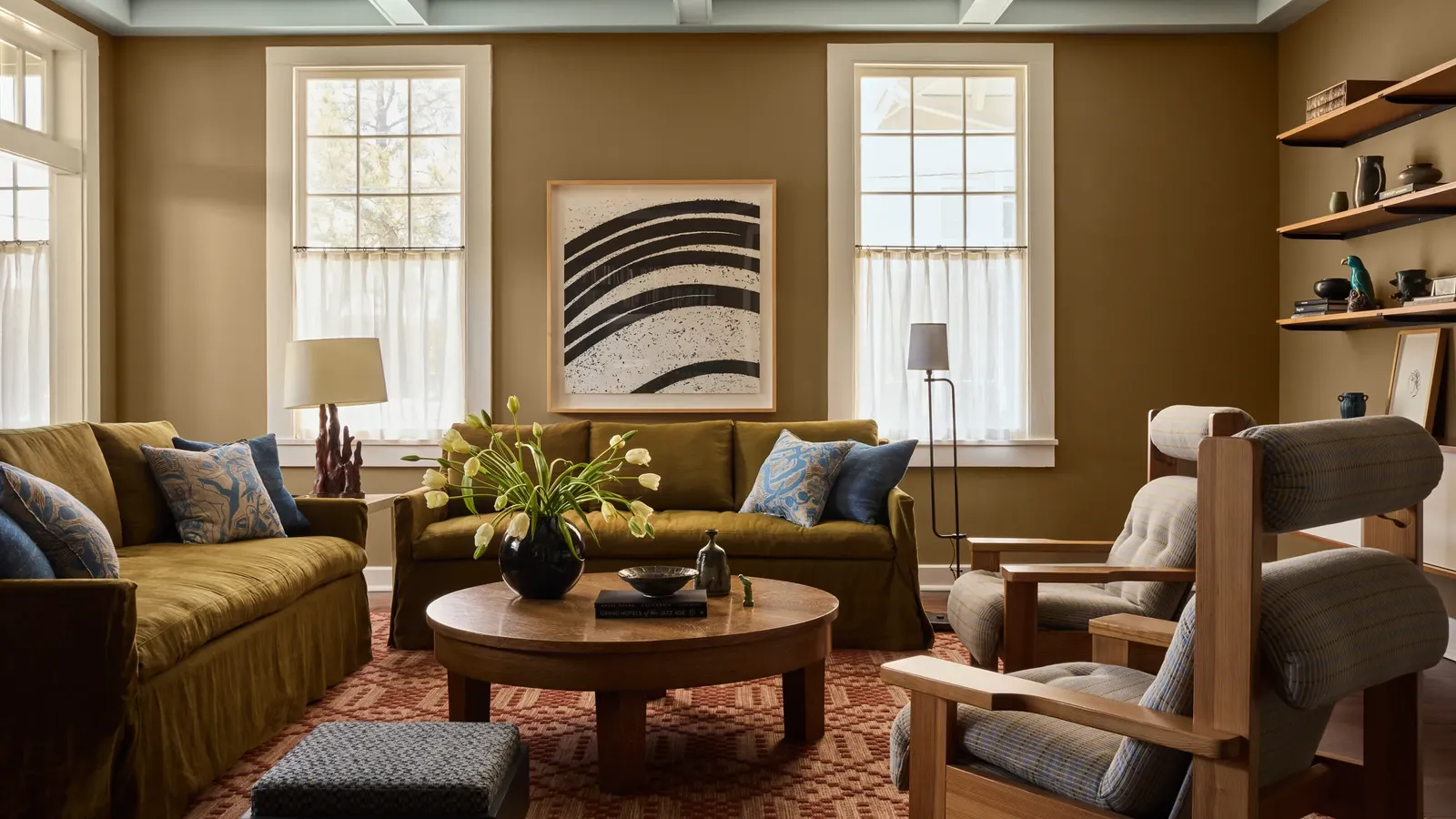
In interiors, this translates into spaces that feel personal and comfortable, where warmth, texture, and layered materials convey soulful richness over sterile minimalism.

2. Expressive and Character-driven Aesthetics
2026 sees the rise of maximalism and expressive visual languages across creative disciplines:
+ Interiors are embracing “authentic maximalism” - spaces rich in texture, color, and character without feeling staged.
+ Designers are rediscovering retro references and reinterpretations of historical styles, blending nostalgic elements with contemporary sensibilities.
This thematic shift reflects a broader cultural embrace of individuality and personality, as projects lean into visual richness and creative boldness.

3. Warmth, Craft, and Tangible Materials
In interiors, warmth and tactility are key:
+ Interiors are embracing richer color palettes - warm ochres, deep reds, and earthy greens - that imbue spaces with depth and comfort.
+ “Midimalism” - a softer, meaningful approach to minimalism - focuses on curated, nostalgic elements and personal objects rather than stark reduction.
+ Handcrafted details, organic curves, and natural textures (like clay, limewash, and woven fibers) are increasingly prominent, emphasizing imperfection and tactile quality over polished surfaces.
These trends affirm a yearning for design that feels rooted, human, and emotionally resonant.

4. Flexible, Hybrid Spaces and Experiences
Design in 2026 reflects evolving lifestyle patterns, especially with fluid boundaries between work, leisure, and communal activities:
+ Interiors are increasingly hybrid and adaptable, accommodating multifunctional needs - from remote work to social gathering - within the same environment.
+ Public spaces like hotels and hospitality venues are also embracing fluid spatial narratives, where lobbies become social hubs and workspaces blend with lounges.
This adaptability underscores a recognition that spaces must respond to how people actually live and interact in dynamic, multi-layered ways.

5. Design as Narrative and Cultural Expression
Narrative and cultural specificity are becoming central to design identity. There’s a growing emphasis on story-driven interiors and environments that reflect local character and cultural heritage, rejecting generic global aesthetics.
This trend highlights how audiences now value authentic context and cultural resonance as part of design’s communicative power.

6. Technology as Creative Amplifier
Unlike past anxieties about automation, AI and digital tools in 2026 are being framed as enablers of creativity:
+ AI supports idea generation, exploration, and experimentation - enhancing creative workflows rather than replacing human judgment.
+ In visual design, technology enables immersive and spatial experiences, including layered digital graphics and responsive motion systems that engage audiences more deeply.
These developments reflect a growing understanding of technology as a collaborative partner in the creative process.

Conclusion
The design landscape in 2026 is defined by a balance between expressive richness and purposeful clarity. Creative leaders and trend observers point to a collective movement toward human-centered design, emotional warmth, cultural narrative, and tech-augmented creativity - all of which prioritize meaning, connection, and lived experience in how we create, inhabit, and interact with the world.
Save this story. A free account keeps your reading list and the 07:00 email in one place.
CREATE FREE ACCOUNT →SIGN IN