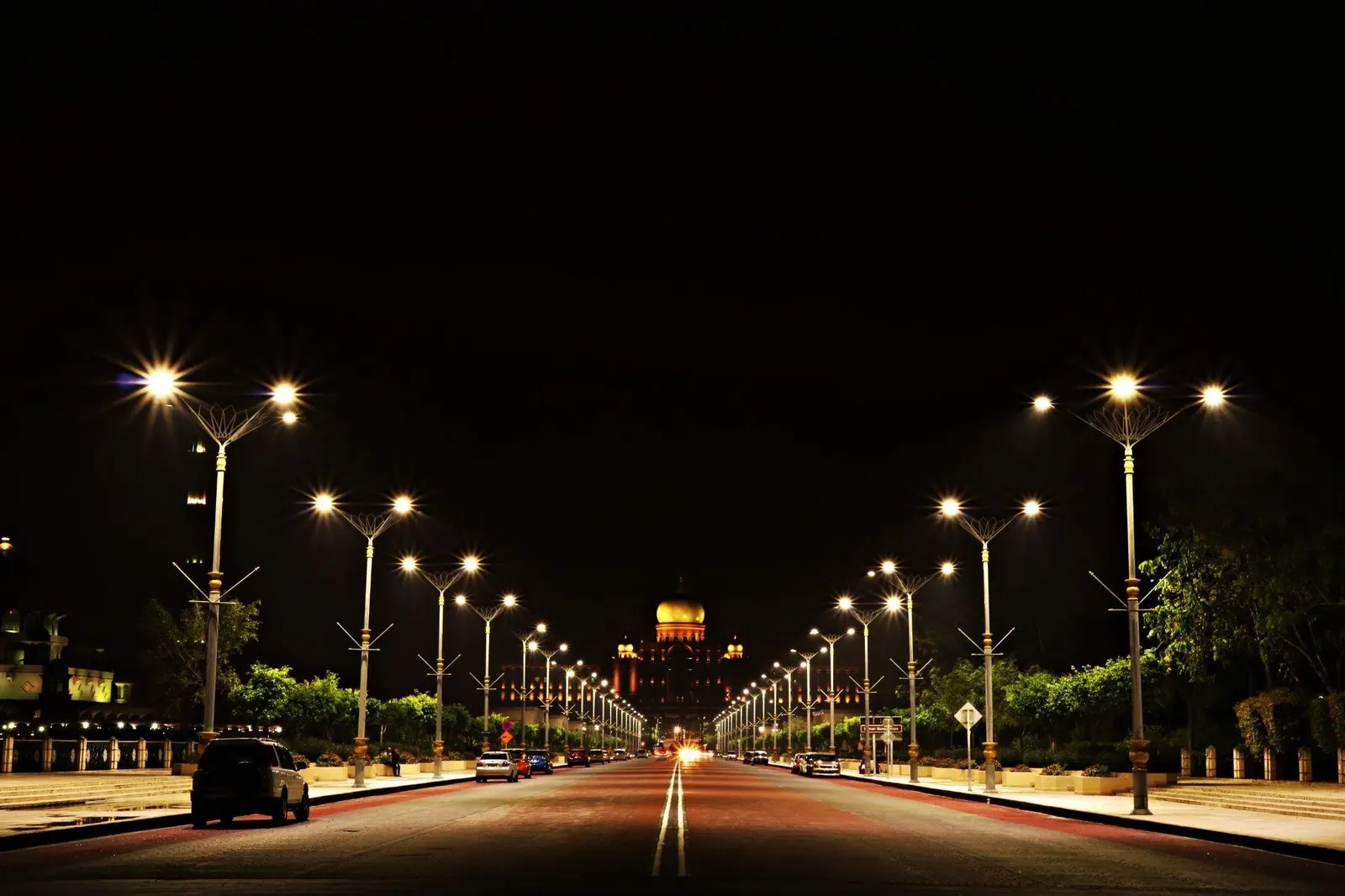
For centuries, public lighting has quietly shaped the rhythm of city life. From the flicker of gas lamps lining 19th-century boulevards to today’s intelligent LED networks, urban lighting has evolved far beyond basic illumination. It has become a powerful design tool - one that enhances safety, defines identity, and increasingly, tells poetic stories after dark.
Today, designers and city planners are reimagining public lighting as an adaptive, energy-efficient system that responds to human behavior, environmental conditions, and cultural context. The result is a new urban glow: smarter, softer, and more meaningful.
From Infrastructure to Urban Experience
Traditional street lighting was engineered for uniformity and visibility - bright enough to reduce crime and traffic accidents, but often harsh, wasteful, and visually monotonous. Modern cities, however, are shifting from a purely functional mindset to an experience-driven approach.
Lighting designers now consider how light shapes mood, encourages social interaction, and reveals architectural character. Streets are no longer treated as technical corridors but as public rooms, where light can guide movement, create comfort, and foster a sense of belonging.
This shift is closely tied to advancements in LED technology and smart control systems, allowing light levels, color temperature, and distribution to be precisely tuned, sometimes in real time.
Smarter Light, Safer Cities
Safety remains a core objective, but it is no longer achieved through brute brightness alone. Research increasingly shows that well-designed, evenly distributed lighting improves visibility and perceived safety more effectively than over-illumination.
Copenhagen, Denmark has been an early adopter of networked LED streetlights equipped with adaptive controls and motion sensors that allow lights to respond to traffic and pedestrian presence. Approximately 19,000 street points have been upgraded with this technology, significantly improving energy efficiency and safety in public spaces.
Barcelona, Spain implemented a comprehensive smart street lighting system using IoT-enabled LED fixtures that adjust brightness based on traffic and environmental conditions. This project has reduced energy consumption by around 30 %, while also contributing to lower light pollution and improved urban comfort.
Los Angeles, USA undertook one of the largest LED street lighting retrofit projects in the world, replacing over 140,000 traditional streetlights with LEDs. This overhaul has delivered substantial energy and maintenance cost savings while improving roadway visibility.

Lighting as Urban Poetry
Beyond safety and efficiency, public lighting is increasingly used to express cultural identity and urban poetry. Designers are exploring how light can reveal stories, highlight heritage, and transform everyday spaces into memorable nightscapes.
In Paris, France, for example, the city’s nocturnal lighting strategy focuses on “nocturnal heritage,” using carefully refined illumination to emphasize textures, rhythms, and historical layers without overwhelming brightness. This restrained approach creates a calm, elegant atmosphere that enhances public enjoyment of iconic spaces after dusk.
In Medellín, Colombia, lighting has played a symbolic role in social transformation. Public spaces in previously underserved neighborhoods are lit with warm, inviting light that communicates openness, safety, and civic pride, extending the city’s public life well into the evening.
Adaptive Systems and Energy Intelligence
At the heart of contemporary public lighting is adaptability. Smart systems integrate sensors, data platforms, and IoT networks to respond dynamically to their surroundings.
In Barcelona, for instance, sensor-driven streetlights adjust in real time to pedestrian and vehicle activity, facilitating roughly 30% reductions in energy use.
In San Diego, a network of smart streetlights equipped with environmental and traffic sensors provides city managers with detailed data to guide planning decisions, while also contributing to energy savings and operational efficiency.
Such adaptability doesn’t just cut electricity bills, it also reduces carbon emissions, proving essential in meeting cities’ climate goals.
Designing for the Nighttime Ecosystem
Another critical evolution is awareness of light’s ecological impact. Excessive or poorly designed lighting disrupts wildlife, affects human circadian rhythms, and contributes to urban light pollution. Designers now employ warmer color temperatures, shielded fixtures, and targeted illumination that directs light only where needed.
Some cities deliberately maintain darker green corridors and riverbanks to preserve nocturnal ecosystems while ensuring safety on key routes. This balance between visibility and darkness reflects a more mature understanding of the night as a shared environment - one deserving as much care as daytime urban space.

The Future of Urban Glow
As cities continue to densify and operate around the clock, public lighting will play an even more strategic role. The future points toward systems that are not only smart but empathetic - lighting that responds to festivals, emergencies, seasons, and community needs with subtlety and intelligence.
Designers, engineers, and policymakers are increasingly collaborating to create lighting master plans that align technology with social values. The goal is no longer just to light the city, but to choreograph the night.
In this new era, urban glow becomes more than illumination. It becomes a language - one that speaks of safety without fear, efficiency without excess, and beauty without spectacle. Through adaptive smart systems and thoughtful design, public lighting is transforming cities into places that shine not brighter, but better.
Save this story. A free account keeps your reading list and the 07:00 email in one place.
CREATE FREE ACCOUNT →SIGN IN