Aman Resorts has built a reputation not on opulence but on restraint, crafting luxury experiences rooted in a deep sense of place. From the rice terraces of Bali to the desert canyons of Utah, Aman’s signature approach demonstrates that timeless hospitality is less about spectacle and more about authenticity, intimacy, and silence.
When I think about luxury hospitality today, I often ask myself: what makes a place timeless? Too many hotels rely on novelty or visual drama - shimmering facades, oversized lobbies, endless lists of amenities. And yet, when I recall the most unforgettable stays of my career, it is Aman that comes to mind. Here, luxury is defined not by abundance, but by absence: the absence of noise, distraction, and unnecessary ornament. In that emptiness lies presence - of nature, of culture, of self.
Through its global portfolio, Aman has crafted a language of design that transcends trend. It is a language of restraint, minimalism, and seamless integration into the land and culture. This philosophy is not only aesthetically profound but commercially powerful, proving that ultra-minimal luxury commands a premium in a saturated market.
Lessons from Across the Aman World
Amandari, Bali – Hospitality as Cultural Continuity
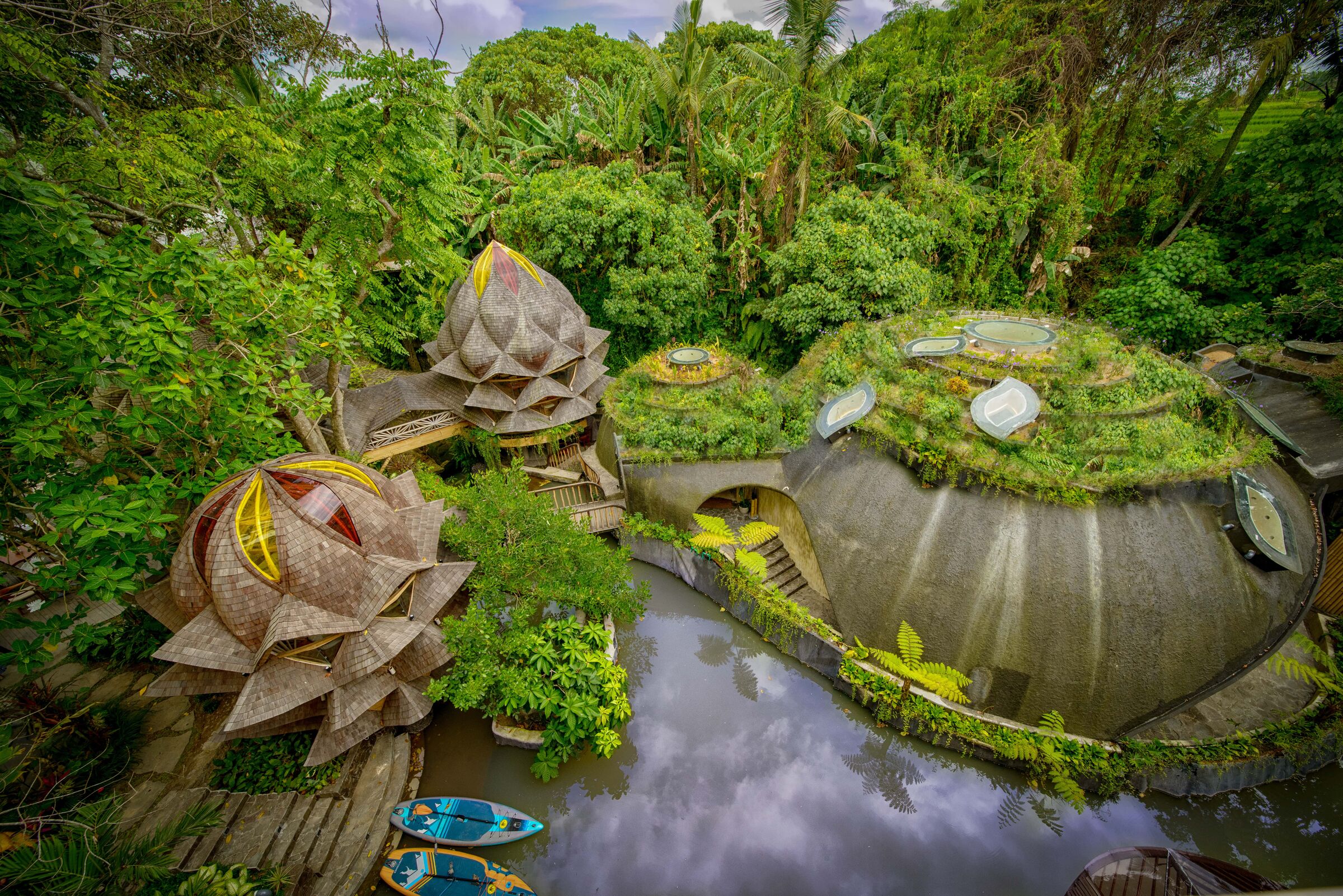
Set among rice terraces and sacred stone pathways, Amandari feels less like a resort and more like a village extension. Villas with alang-alang roofs echo traditional Balinese compounds, while local artisans contributed to the stone carvings and detailing. Here, restraint is expressed not only in the use of local materials but also in the deference to spiritual traditions. Luxury becomes authenticity.

Amandari’s villas echo Balinese village life, where local stone and alang-alang roofs root luxury in tradition
Amangiri, Utah – Disappearing into the Landscape
Few properties embody design restraint more powerfully than Amangiri. Its architecture is carved into the desert, with concrete walls blending seamlessly with sandstone cliffs. Rather than compete with the landscape, the resort dissolves into it, offering vast horizons of silence. The absence of spectacle is, paradoxically, its most spectacular trait.

Concrete walls mirror the hues of sandstone cliffs - luxury by blending, not by standing apart
Aman Tokyo, Japan – Minimalism as Urban Sanctuary
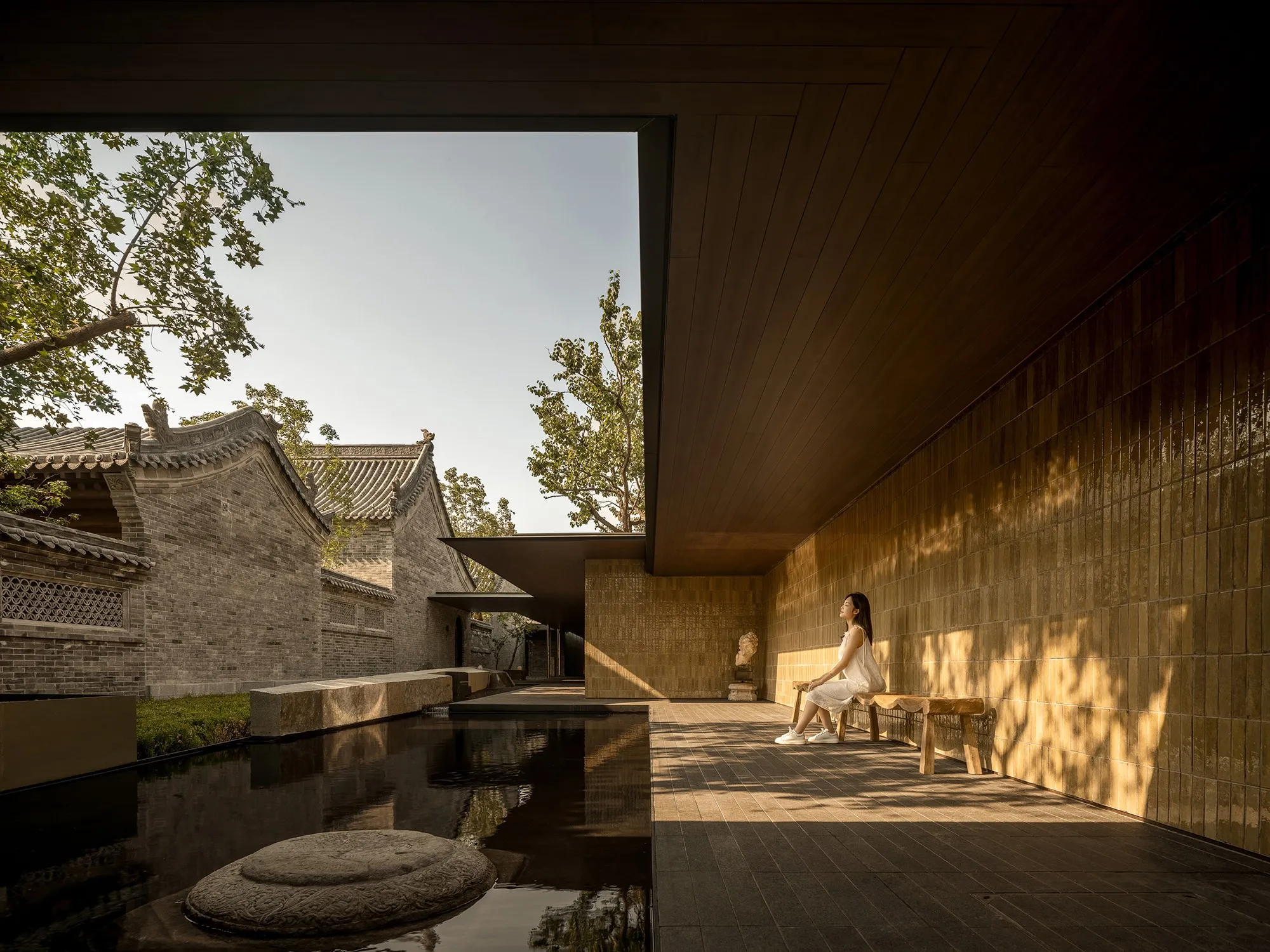
In the heart of one of the world’s busiest cities, Aman Tokyo distills Japanese aesthetics into a contemporary sanctuary. With its soaring atrium, Shoji-inspired screens, and use of natural stone and wood, the design draws on traditional ryokan principles. The restraint in its material palette creates calm, allowing guests to feel grounded amid the vertical rush of Tokyo.

Shoji screens and natural stone create a serene ryokan spirit within the vertical rush of Tokyo
Amankora, Bhutan – Respecting Spiritual Landscape
Aman’s lodges in Bhutan thread along a pilgrimage route, each designed to reflect the country’s Buddhist philosophy. Timber beams, rammed earth walls, and views of monasteries create a meditative quality. Here, restraint translates into reverence: the architecture invites stillness, aligning hospitality with spiritual practice.

Timber beams and rammed earth walls invite reflection - architecture as spiritual practice
Aman Sveti Stefan, Montenegro – Heritage as Experience
Perhaps one of Aman’s boldest projects, Sveti Stefan transforms a medieval Adriatic island village into a luxury resort. Stone houses, once homes of fishermen, are reimagined with minimal interventions, preserving the authenticity of the old town while subtly adapting interiors for modern comfort. This is restraint applied to adaptive reuse - a lesson in protecting identity while elevating experience.

Medieval stone houses reborn as intimate suites - heritage adapted with subtle modernity
Amanoi, Vietnam – Nature as the Ultimate Luxury
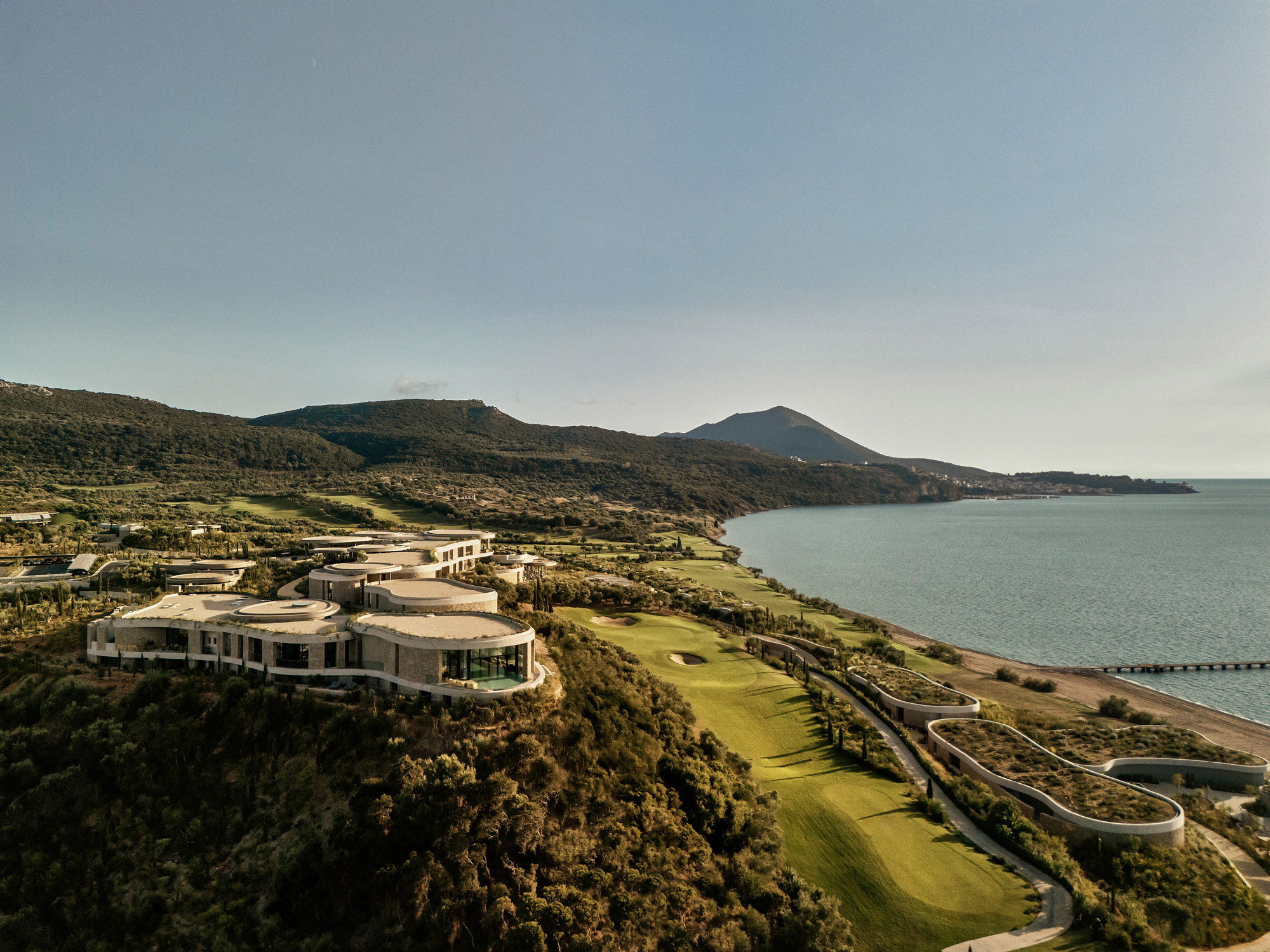
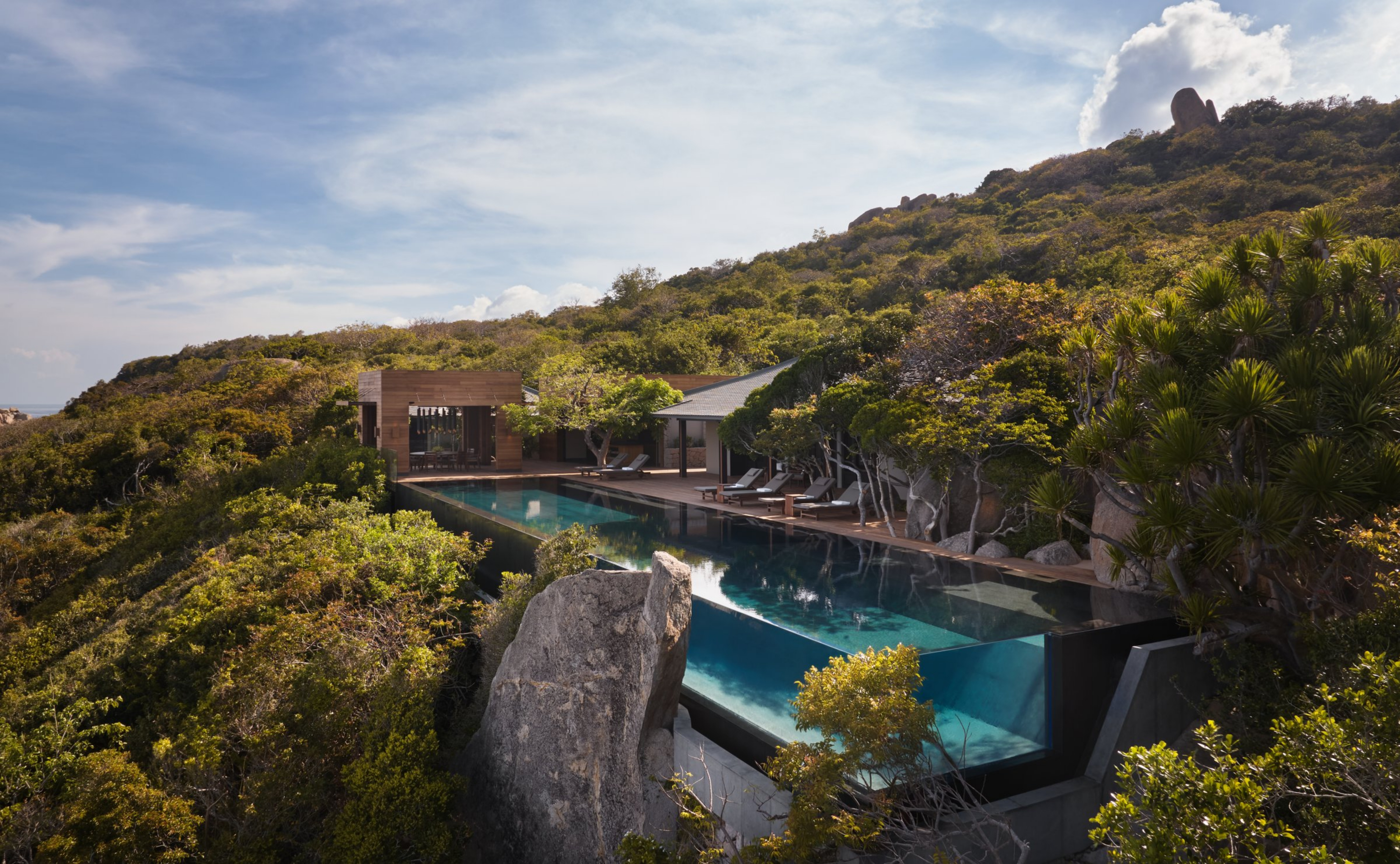
Perched on the dramatic coastline of Ninh Thuận Province, Amanoi is where architecture becomes a frame for nature. The pavilions and villas, designed by Jean-Michel Gathy, rise gently among lush hills and overlook Vinh Hy Bay, a marine reserve of extraordinary biodiversity. With its blend of Cham-inspired motifs, Vietnamese craftsmanship, and expansive views of sea and forest, Amanoi shows how restraint can amplify nature’s voice rather than compete with it. Here, luxury is the ability to feel enveloped by the environment - a rare harmony between resort and wilderness.

Amanoi frames Vinh Hy Bay’s wilderness, where architecture amplifies nature’s voice
Why Minimalism Commands a Premium
What unites these examples is a radical confidence in “less.” Where most hotels seek to impress, Aman seeks to disappear. And in doing so, it creates an atmosphere of exclusivity and intimacy that commands extraordinary rates. Guests are not buying extravagance; they are buying clarity, privacy, and an authentic connection to place.
In an era where travelers crave meaning, Aman proves that the market will pay a premium for restraint - for a luxury that is felt, not flaunted.
Timeless Hospitality
The enduring lesson from Aman is that timeless hospitality grows from three pillars: restraint in design, reverence for place, and respect for culture. This philosophy not only avoids obsolescence but also establishes an enduring sense of identity.
For designers, developers, and hoteliers, the takeaway is clear: lasting value lies not in following trends but in honoring context. The future of hospitality may well depend on learning what Aman has always known - that true luxury is not abundance, but belonging.
Save this story. A free account keeps your reading list and the 07:00 email in one place.
CREATE FREE ACCOUNT →SIGN IN