
Project Info
Project Name: SUNYATA Datong
Location: No. 9 Shiren Street, Pingcheng District, Datong, Shanxi, China
Architect: CCD/Cheng Chung Design & GOA
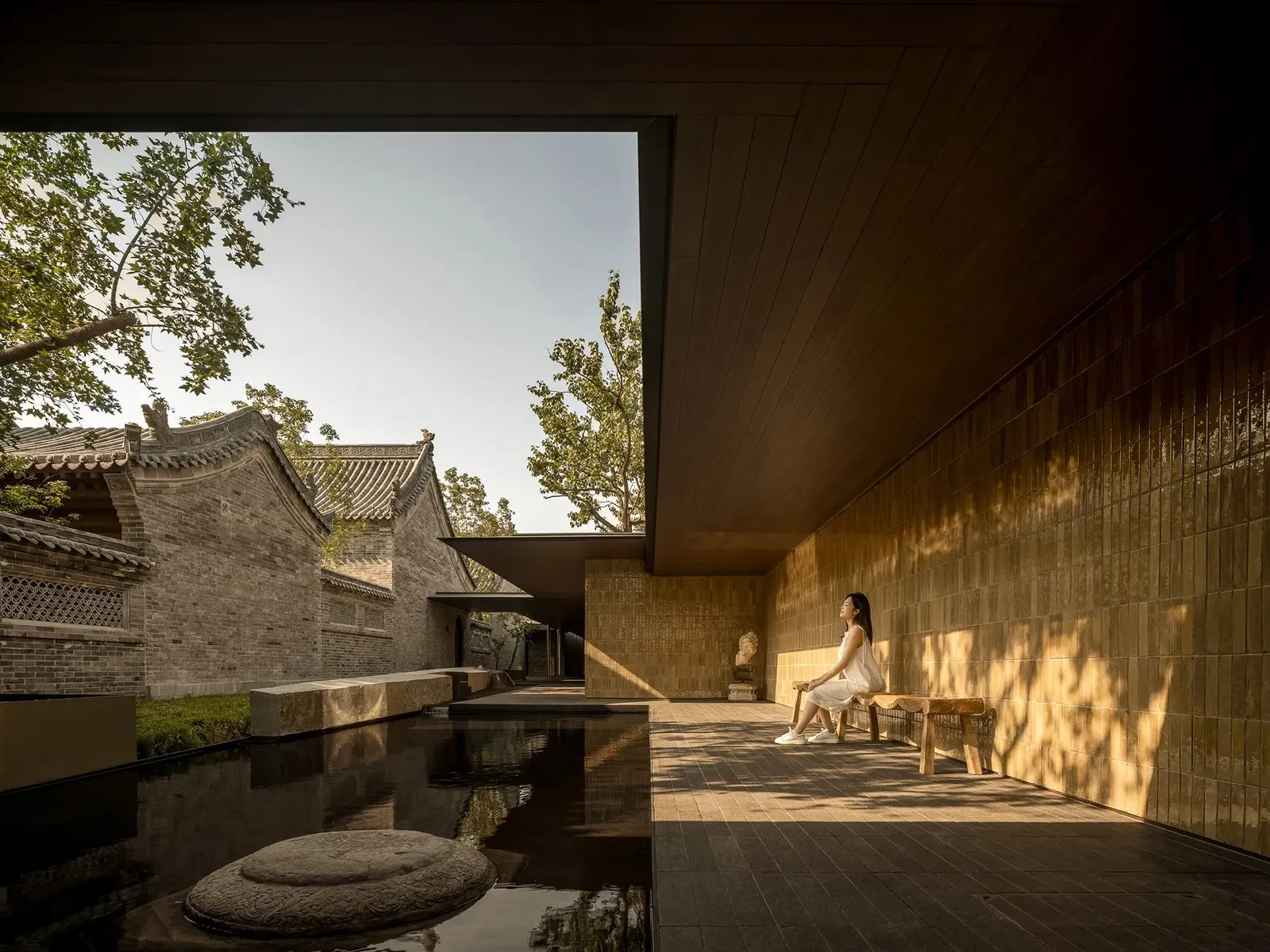
In the ancient city of Datong, where layers of imperial history linger beneath weathered brick walls and narrow alleyways, a new hospitality project is reframing the idea of cultural preservation. Designed by CCD in collaboration with GOA, SUNYATA Datong is less a conventional boutique hotel than an atmospheric reconstruction of memory that translates the spirit of the Northern Wei dynasty into a contemporary spatial experience.
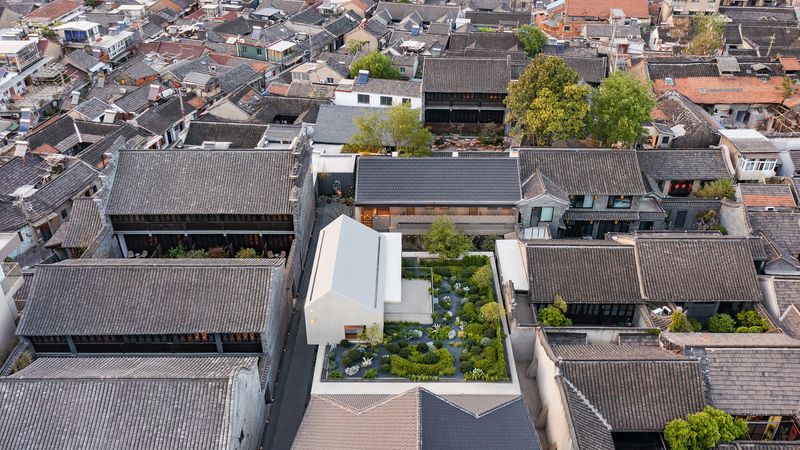
Located within Datong’s Southeast Yi historical district, the hotel occupies a pivotal site in the city’s ongoing cultural revival. Rather than imposing a singular architectural statement, the project embraces the urban grain of the ancient capital once known as Pingcheng, preserving the rhythm of courtyards, lanes, and walled compounds that shaped the Northern Wei capital more than 1,500 years ago.


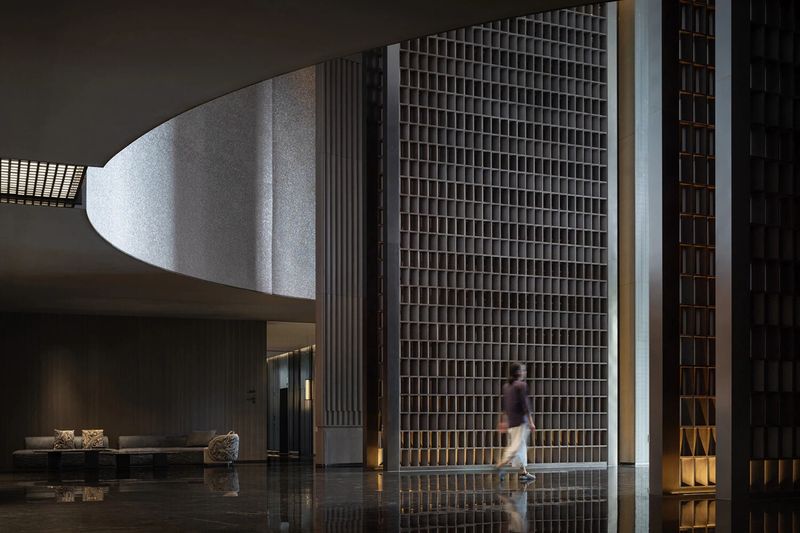
The design narrative, titled “Dreaming Back to Pingcheng”, unfolds through what CCD describes as a “Fivefold Realms” spatial sequence. Inspired by the sacred atmosphere of the Yungang Grottoes, the graphic cadence of Wei stelae calligraphy, and the layered heritage of northern Shanxi, the interiors are conceived as a journey through cultural memory rather than a display of decorative nostalgia.

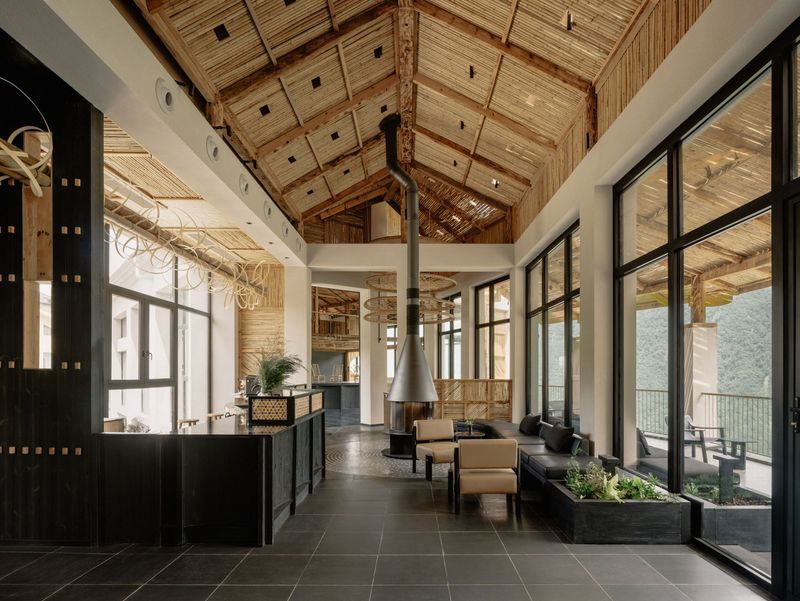
Throughout the hotel, materiality plays a central role in grounding the experience. Rammed earth walls, exposed timber structures, stone textures, and muted mineral tones evoke the rugged landscapes of northern China while allowing contemporary interventions to feel restrained and deliberate. Traditional northern living elements are reinterpreted with subtlety: the historic kang - a heated brick platform central to domestic life in northern China - becomes a low lounging platform beside panoramic windows, merging social ritual with modern comfort. In restored heritage suites, original earthen kang structures are preserved and adapted into intimate tea spaces.


Rather than recreating history literally, the project abstracts its essence. The restaurant draws from Tang dynasty banquet culture and the ceremonial order of Shanxi courtyard compounds, yet avoids direct replication. Spatial hierarchy is softened through contemporary lighting, tactile surfaces, and fluid transitions between public and private zones. Similarly, the swimming pool references the “cave heavens” of the Yungang Grottoes, where shadow and reflected light transform the subterranean-like chamber into a meditative environment.


This approach reflects a broader ambition behind the hotel’s development. Datong - once defined internationally by its industrial identity - has spent recent years restoring and reactivating its historic core. SUNYATA emerges as part of this urban regeneration, embracing what planners describe as a “living heritage” strategy: one focused not on monumental spectacle, but on reviving the cultural texture of everyday life.

With only 48 guestrooms dispersed across a sequence of courtyards, the hotel cultivates intimacy rather than grandeur. Here, luxury is expressed through silence, atmosphere, and emotional resonance. As CCD describes it, the project shifts away from the ostentation traditionally associated with high-end resorts toward something more introspective - “a reconstruction of inner order”.
Save this story. A free account keeps your reading list and the 07:00 email in one place.
CREATE FREE ACCOUNT →SIGN IN