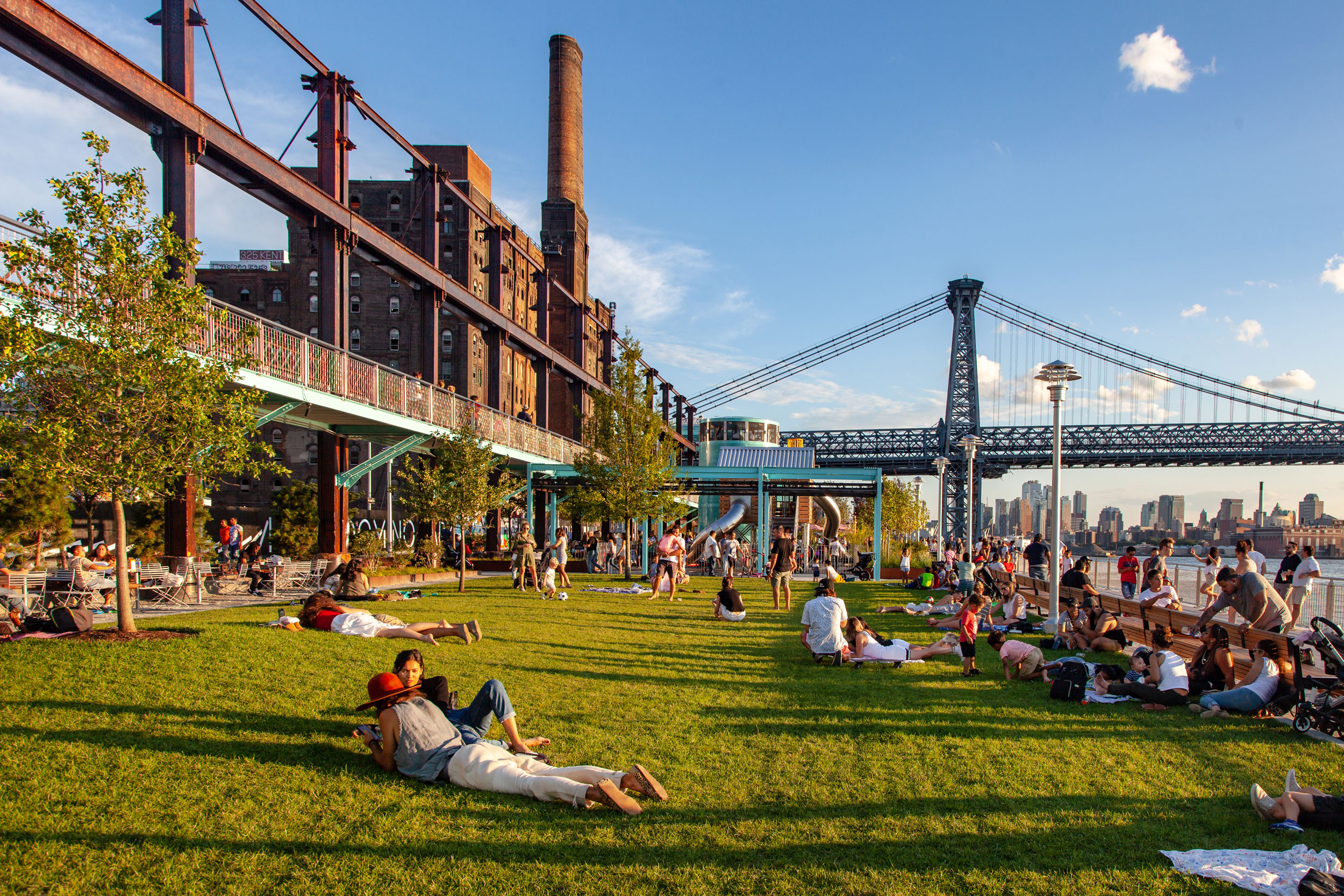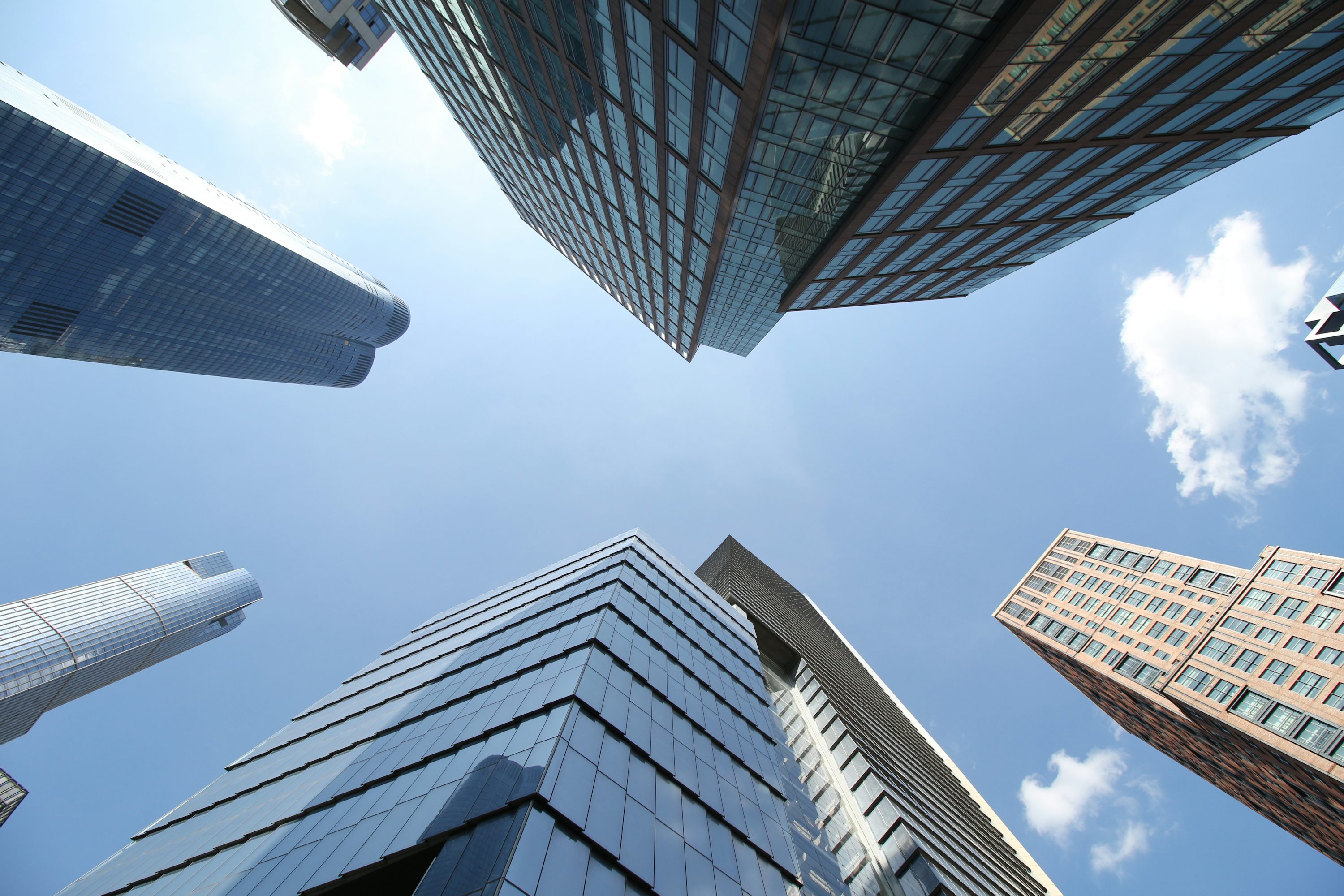
Public spaces are more than open squares, parks, or promenades - they are the collective living rooms of cities, where culture, democracy, and community are made visible. If architecture tells the story of power and ambition, public spaces reveal the heartbeat of the people. They are where everyday life unfolds, where strangers become neighbors, and where the soul of a city truly comes alive.
The Role of Public Space in Urban Identity
Every iconic city is remembered as much for its public spaces as for its landmarks. Venice without Piazza San Marco, New York without Central Park, or Barcelona without La Rambla would feel incomplete, stripped of their essence. These spaces are more than physical amenities - they are repositories of memory and continuity, where generations experience the same plazas, streets, and parks in evolving ways.
In today’s cities, public space acts as a living archive, reflecting cultural narratives and adapting to new forms of civic life. Consider Potsdamer Platz in Berlin, once divided by the Wall, now reimagined as a bustling public square that symbolizes reunification. Such examples demonstrate that public space is not merely decorative - it carries profound cultural and political weight.

Piazza San Marco, Venice - centuries of civic life converge in one of the world’s most enduring public squares
Public Spaces as Social Equalizers
One of the most radical qualities of public space is its inclusivity. In societies increasingly defined by private ownership and exclusivity, a park bench or a pedestrian street remains a rare democratic zone. It allows children, workers, students, and visitors alike to inhabit the same environment without barriers of wealth or privilege.
The High Line in New York exemplifies this principle. What was once an abandoned elevated railway became a shared greenway that weaves together diverse communities. Similarly, Cheonggyecheon Stream in Seoul, restored from a forgotten industrial channel into a 10-kilometer linear park, has transformed into an urban oasis that attracts millions each year, transcending class and demographic divides.
These projects highlight the essential lesson: when designed thoughtfully, public spaces can foster belonging and civic pride, strengthening the social fabric of rapidly diversifying cities.

Cheonggyecheon Stream, Seoul - once buried under concrete, now reborn as a vibrant urban oasis
The Challenge of Rapid Urbanization
As global cities expand at unprecedented rates, the role of public space becomes both more critical and more threatened. In rapidly urbanizing centers like Jakarta, Mumbai, and Lagos, the pressure for housing and commercial development often sidelines public parks and plazas. The absence of such spaces creates invisible costs: increased stress, reduced social cohesion, and environmental degradation.
Conversely, cities that prioritize public realm investment reap rewards far beyond aesthetics. Singapore’s Gardens by the Bay has become a global model, merging ecological education, cultural identity, and leisure into one integrated landscape. Meanwhile, Copenhagen’s network of pedestrianized streets and cycling lanes has redefined urban life, positioning the city as a global leader in livability and sustainability. These examples prove that resilient, equitable, and climate-conscious futures cannot be achieved without embedding public space into city planning at the highest level.

Gardens by the Bay, Singapore - futuristic design meets ecological stewardship in the heart of the city
Design Lessons from Global Icons
The best public spaces succeed because they balance design excellence with adaptability and accessibility. They are not frozen monuments but living frameworks.
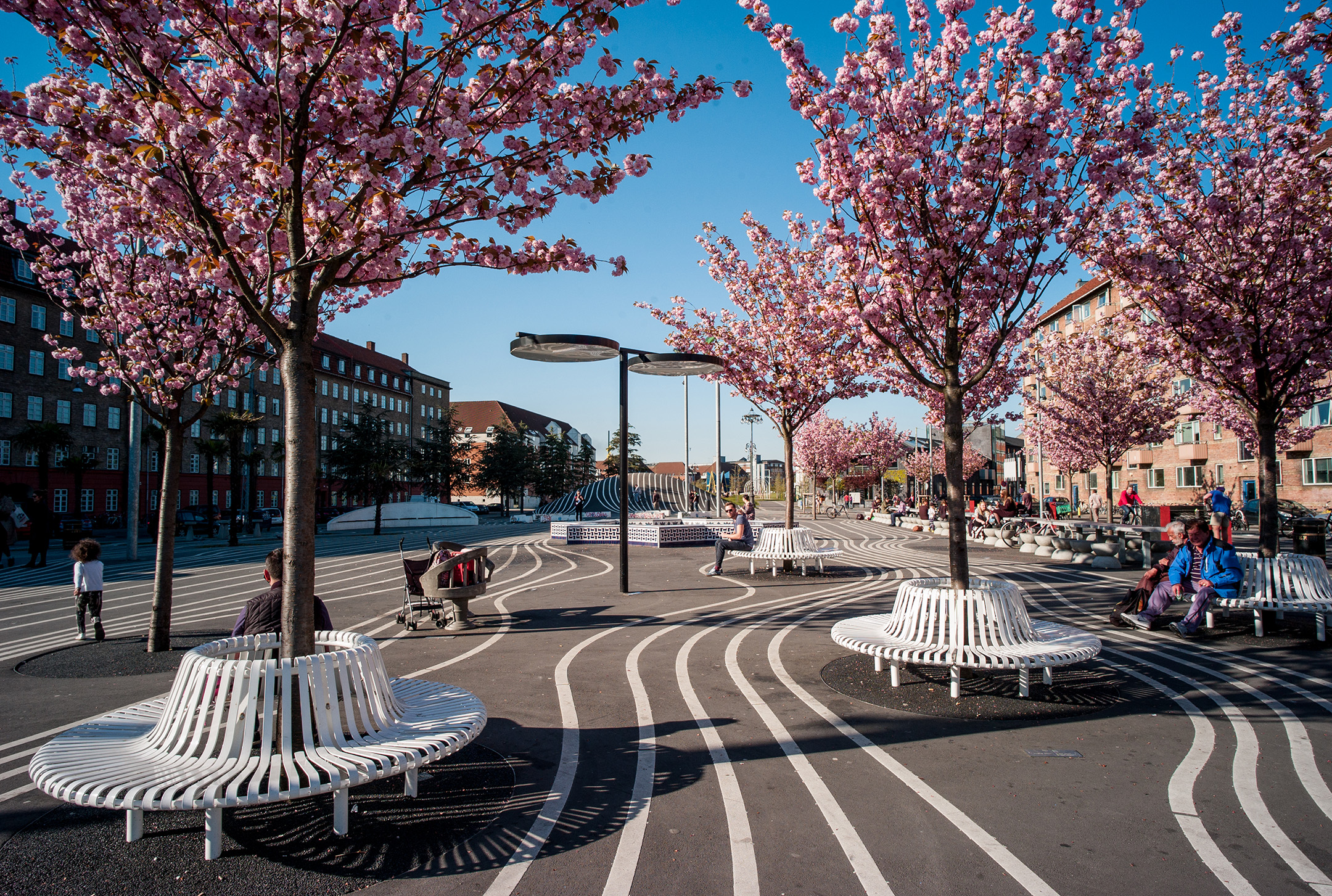
Millennium Park in Chicago blends monumental public art, flexible green lawns, and cultural programming, creating a magnet for both residents and visitors. Paris’s Seine riverbanks, once dominated by automobiles, were reclaimed for pedestrians and cyclists, symbolizing how adaptive design can radically shift civic culture. Superkilen Park in Copenhagen, designed with input from over 50 nationalities, integrates cultural artifacts from immigrant communities, making public space a canvas of diversity.
These cases show that successful public spaces are never just about aesthetics - they are civic instruments, built for encounter, exchange, and belonging.

Superkilen Park, Copenhagen - a neighborhood transformed into a colorful canvas of cultural diversity
Architecture, Culture, and Civic Life
Public spaces also embody the dialogue between architecture and culture. A plaza framed by civic buildings, a park surrounded by museums, or a waterfront promenade adjacent to historic warehouses - all demonstrate how public realm and architecture reinforce each other. When designed thoughtfully, this relationship creates continuity, linking the past with the future.
Cities like Kyoto and Hanoi demonstrate how heritage-sensitive urban design preserves cultural authenticity in the face of modernization. Temple courtyards, lakeside promenades, and old marketplaces continue to act as civic anchors, proving that modern development need not erase cultural continuity.

Hoan Kiem Lake, Hanoi - where cultural heritage and everyday life converge in an enduring public realm
Conclusion: The Soul of the City
If skyscrapers measure ambition and infrastructure reflects efficiency, public spaces measure humanity. They reveal what a city values most: openness, inclusivity, cultural expression, and shared well-being. In an era when privatization threatens collective life, reclaiming and reinvesting in public spaces is not an indulgence but a necessity.
Ultimately, the true soul of a city is not found in its tallest towers but in the places where people gather - where a child learns to ride a bicycle, where a protest is voiced, where festivals are celebrated, and where strangers share the same sky. Public spaces are not only the measure of a city’s soul - they are its beating heart.
Save this story. A free account keeps your reading list and the 07:00 email in one place.
CREATE FREE ACCOUNT →SIGN IN