
Project Info
Project Name: Song of Praise
Location: Optics Valley, Wuhan, China
Interior Design: ENJOYDESIGN
Interior Furnishings: Bluemoon Design
Architectural Design: HZS
Landscape Design: MW LANDSCAPE ARCHITECTURE
Clients: Optics Valley Traffic Company, China Merchants Shekou Holdings
Architecture can sometimes feel like music - rhythmic, emotive, and capable of shaping the way we experience the world. Song of Praise, designed by ENJOY DESIGN and Bluemoon Design, embodies this poetic relationship between space and spirit. Rather than relying on grand gestures or monumental scale, the project explores how subtle architectural moves - light, geometry, and material - can evoke a deeply reflective atmosphere.
At first glance, the building appears understated, composed of pure volumes and restrained detailing. Yet this quietness is deliberate. The architects conceived the project as an architectural “hymn”, where every element contributes to a sense of reverence and calm. Through carefully choreographed spatial sequences, visitors are guided from the outside world into a serene interior environment designed for contemplation.

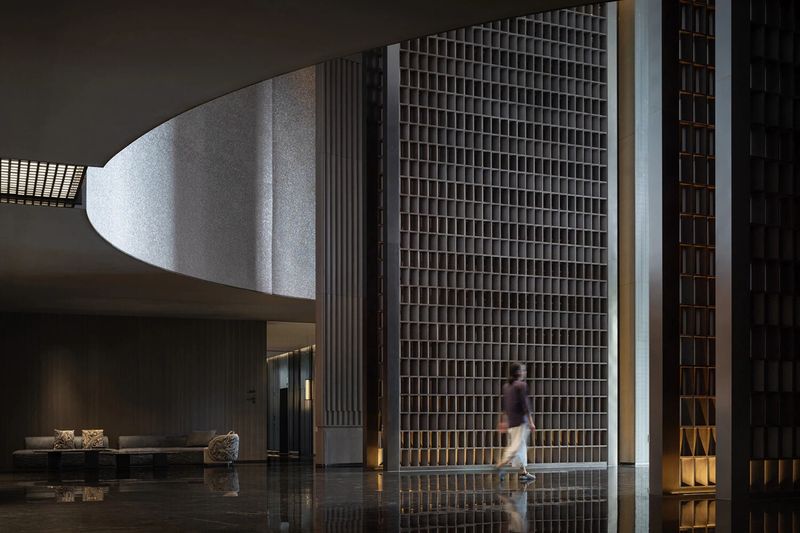
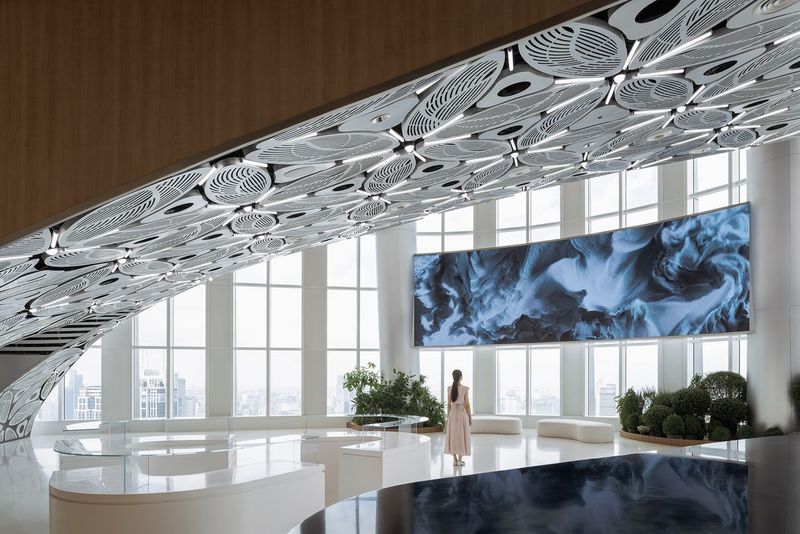
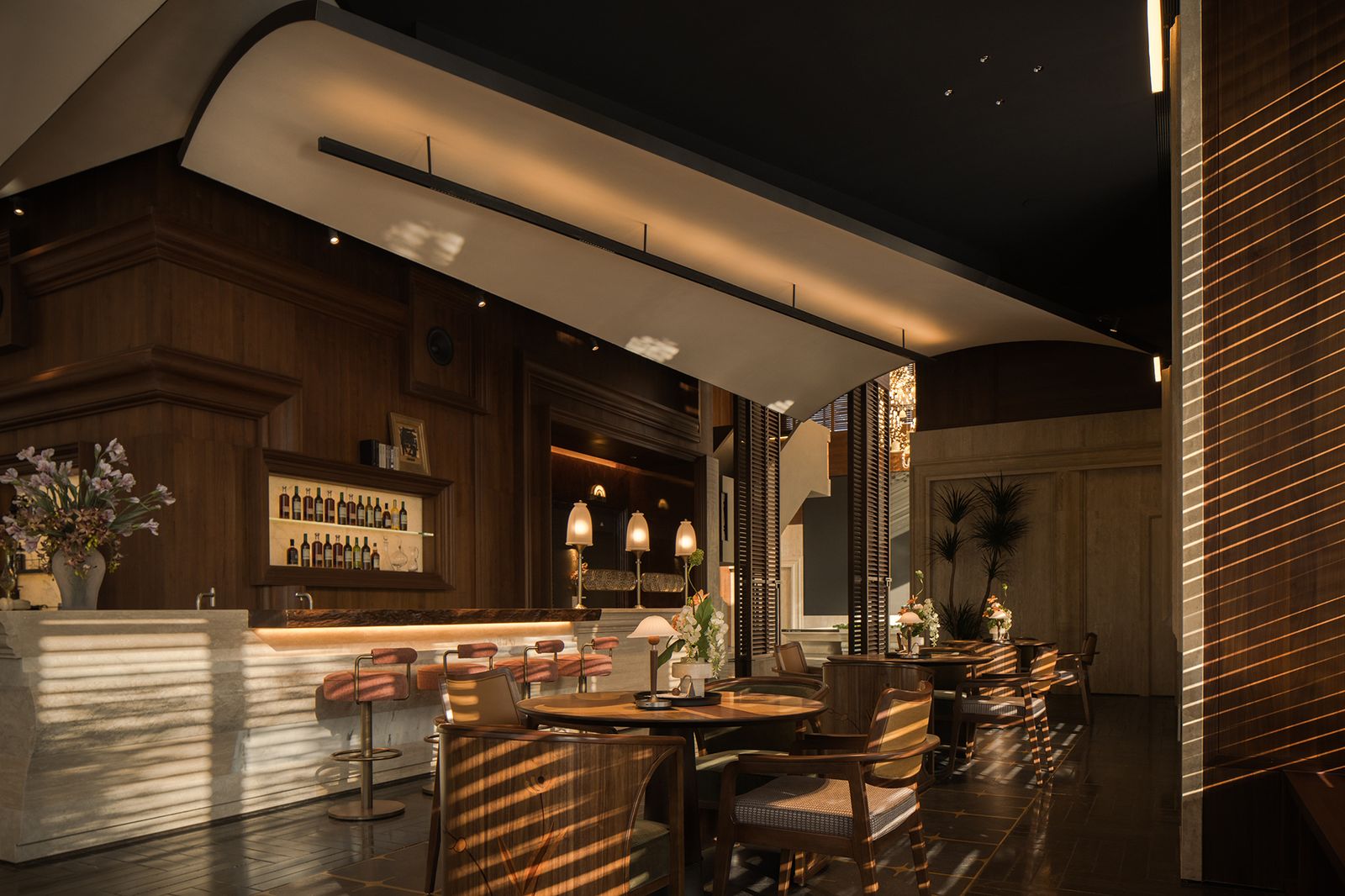
The architectural language is rooted in simplicity. Clean lines, minimal ornamentation, and controlled proportions allow the building to focus attention on sensory experience rather than visual complexity. Light becomes the primary material. Natural illumination filters through openings and voids, shifting gradually throughout the day and creating a dynamic play of shadows across surfaces. This changing light animates the architecture in the same way music animates silence.


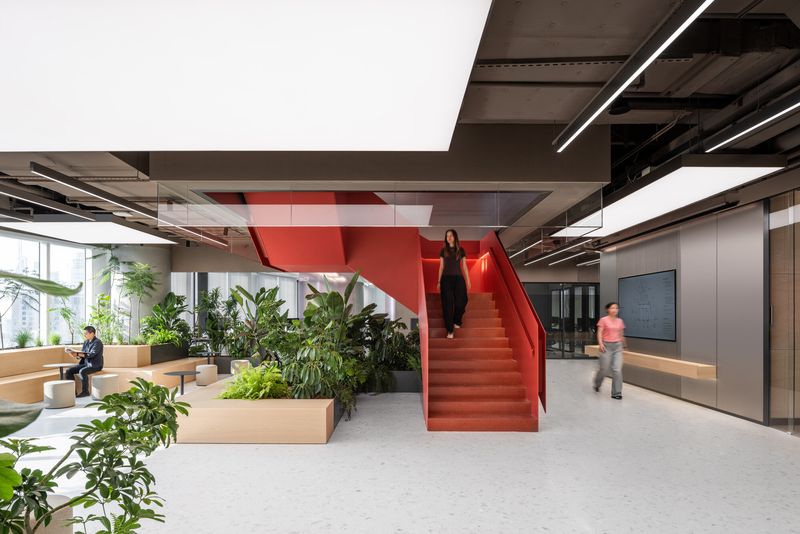
Spatial organization reinforces the meditative quality of the project. Circulation unfolds slowly, encouraging visitors to pause and experience each threshold. Spaces transition from more open areas to increasingly intimate interiors, heightening the sense of inward reflection. This progression mirrors the emotional journey of entering a sacred place: moving from the public realm toward personal stillness.


Materials are selected with similar restraint. Neutral tones and tactile finishes create warmth without distraction. The palette emphasizes natural textures, allowing the subtle qualities of light and shadow to define the atmosphere. Rather than dominating the space, architecture recedes into the background, allowing visitors to experience the environment quietly and personally.


Another defining feature of Song of Praise is its relationship with the surrounding context. The building does not attempt to overpower its setting; instead, it integrates gently into the landscape. Its geometry frames views outward while also shielding interior spaces from external noise and distraction. This balance between openness and enclosure reinforces the project’s contemplative intent.

In many ways, the project demonstrates how contemporary architecture can reinterpret spiritual space. Instead of traditional symbolism or elaborate ornament, the design communicates meaning through atmosphere. Silence, light, and proportion become the true architectural language.
Ultimately, Song of Praise reminds us that architecture does not need spectacle to be powerful. By focusing on the essentials - space, light, and human experience - the project creates an environment that feels both modern and timeless. Like a quiet melody lingering in the air, its architecture resonates gently, inviting visitors to slow down, reflect, and reconnect with a deeper sense of calm.
Save this story. A free account keeps your reading list and the 07:00 email in one place.
CREATE FREE ACCOUNT →SIGN IN