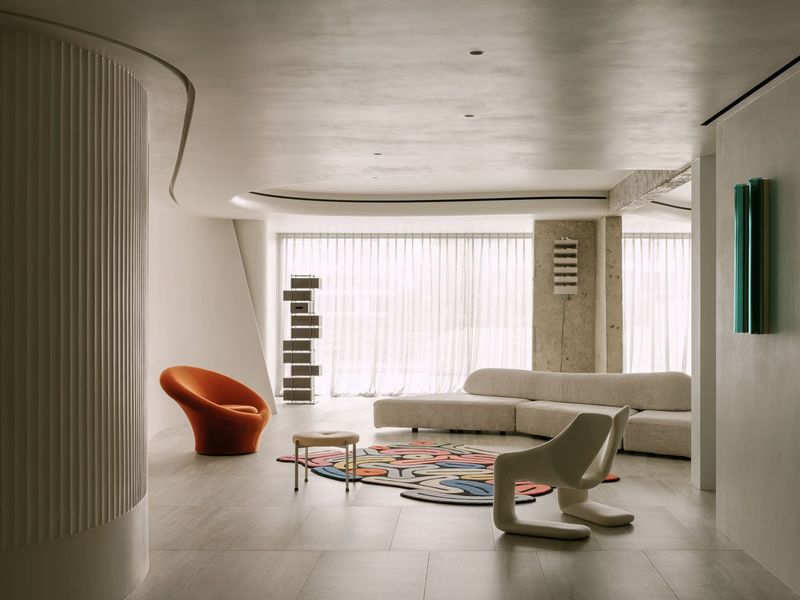

In an era when our planet’s resources are increasingly strained and e‑waste is accumulating at alarming rates, a transformative design approach is rising: one that merges technological intelligence with ecological wisdom. Call it circular intelligence - the idea that smart design, modularity, and sustainable materials can combine to extend product lifespans, reduce waste, and build more responsible consumption habits. This article examines how circular design principles are materializing today, from modular furniture to recyclable lighting, and what real‑world examples tell us about the promise of this paradigm.
What is Circular Design - and Why “Intelligence”?
Circular design refers to designing products from the outset so that they stay in use as long as possible, can be maintained, upgraded or repaired, and eventually recycled or repurposed, closing the resource loop instead of sending items to landfill.
Key principles include:
+ Regeneration: using renewable, responsibly sourced or recycled materials.
+ Modularity & durability: enabling products to be disassembled, repaired, upgraded or reconfigured rather than discarded.
+ Reuse & recycling: designing for end-of-life recovery so components can be reintroduced into new products.
We call it “circular intelligence” because it’s not just about using recycled materials, it’s about embedding smart design decisions, including modular architecture and lifecycle thinking, into the DNA of products from the start.
Modular Furniture: When Your Sofa Grows with You
One tangible arena where circular design shines is modular furniture - pieces that can be reconfigured, expanded, or recycled over time rather than being replaced wholesale.
A 2025 design example comes from a modular furniture system using recycled plastic and aluminum that can be assembled with a simple press‑fit system (no screws or glue), allowing easy disassembly, transport, and reconfiguration.
Yanko Design’s Cosmoplast modular furniture features recycled‑plastic plates and aluminum tubes snapped together into tables, shelves or seats - a flexible, zero‑waste design
Photo Credit: Yanko Design
Another approach comes from furniture made with surface panels derived from post‑consumer recycled plastics. The recycled material gives new life to plastic waste while offering functional, stylish surfaces for tabletops or wall cladding.
Riccardo Cavaciocchi’s Paper Factor panels - innovative micro‑paper surfaces made from recycled cellulose fibers
Photo Credit: Riccardo Cavaciocchi Architecture
For larger furniture items, some brands prioritize “take‑apart ease” and recyclability of all materials, meaning that at the end of a piece’s life, its materials can be separately recovered rather than dumped.
Nardi’s MAXIMO 5 sectional sofa: a modular outdoor lounge built on a regenerated‑resin frame and recycled‑material cushions, designed for endless reconfiguration
Photo Credit: Nardi
The advantage is clear: as needs change, you move to a smaller apartment, your family grows, or you want a different layout, you don’t throw away the old furniture; you reconfigure or reuse components. This translates into far less waste and more efficient use of material over time.
Circular Electric Furniture & Lighting: Smart and Sustainable
Circular design is also reshaping electric furniture and lighting, merging adaptability with eco-conscious materials:
Modular power furniture: USM Haller E integrates lighting and power into modular frames, so lighting and charging modules can be repositioned without replacing furniture.
USM Haller E shelf whose steel frame doubles as a power conduit, effortlessly integrating LED lighting and USB charging
Photo Credit: USM Modular Furniture
Portable lamp: SAI lamp units can be removed, used elsewhere, and recharged, reducing the need for separate fixtures.
SAI lamp modules - compact, rechargeable lights designed for small apartments
Photo Credit: Junhee Lee, Chaewon
Sustainable material lighting: Reclaimed wood, recycled plastics or fibers, low‑impact or sustainably harvested timber, and other eco‑friendly materials are increasingly used in lamp and furniture components.
Oorjaa Studio’s handcrafted floor lamps made from banana‑fibre paper, quarry waste and reclaimed materials - blending circular craftsmanship with sculptural light
Photo Credit: Oorjaa Studio
Energy-efficient LED lighting: Modern lighting design increasingly uses efficient LED solutions, often combined with systems to adapt lighting to space or user needs (e.g. dimming, warm/cool tones, modular light placement).
USM Haller Bar - a modular bar/cabinet configuration built from USM’s classic ball‑and‑tube system
Photo Credit: USM Modular Furniture
These innovations show how furniture and lighting can be adaptable, durable, and sustainable, minimizing waste while enhancing functionality.
Beyond Products: Toward Circular Systems & Material Innovation
Circular intelligence also extends beyond individual products toward how supply chains, material sourcing, and business models are structured:
+ In furniture and interior design, materials made from 100% recycled plastic are being used at scale, allowing waste plastics to become surface materials for tabletops, wall panels, and more.
+ More radically, academic research proposes structural applications of recycled plastic: for instance, a recent project developed vacuum‑sealed chainmail architectures made entirely from recycled plastic filaments, offering adaptable, load-bearing structures that may be used even in challenging environments, without relying on virgin materials.
These developments show that circular design is not limited to “products as before, but recycled”, but can reimagine how we build, live, and manufacture altogether, potentially transforming entire industries.
Why Circular Intelligence Matters
+ Reducing waste & resource depletion: By extending product lifespans and enabling recycling or reuse, circular design reduces extraction of virgin materials and lowers the amount of waste entering landfills or e‑waste streams.
+ Lower carbon footprint: Using recycled or bio‑based materials, efficient manufacturing, and reducing the need for frequent replacements cuts greenhouse‑gas emissions compared to linear manufacturing cycles.
+ Economic value & resilience: Products that last longer and can be upgraded or repaired offer better value for consumers, reduce environmental externalities, and can make supply chains more resilient to resource constraints.
+ Cultural shift toward sustainable consumption: Circular intelligence encourages a mindset where products are meant to evolve with users and the environment, not become disposable short‑lived objects.
Toward a Smarter, Circular Future
Circular intelligence blends the best of human creativity, technological innovation, and ecological responsibility. From modular sofas and smart lighting systems to recyclable electronics, this approach extends product life, reduces waste, and promotes sustainability. By designing for adaptability, repairability, and material recovery, circular intelligence represents a design revolution that benefits both people and the planet.
Save this story. A free account keeps your reading list and the 07:00 email in one place.
CREATE FREE ACCOUNT →SIGN IN