
Material honesty is more than an aesthetic - it is a design ethic that celebrates materials in their true form, from exposed concrete and natural wood to brick and bamboo. Through case studies around the globe, the article explores how authenticity fosters cultural continuity, sustainability, and human connection. In a world often dominated by artificial finishes, material honesty offers timeless lessons for architects: let materials speak, embrace imperfection, and design with integrity.
Introduction: The Truth Beneath the Surface
In an age of rapid urbanization and mass production, design often risks losing touch with authenticity. Materials are sometimes concealed, imitated, or overly treated to achieve certain aesthetics. Yet architects and designers are increasingly turning back to a principle as old as craft itself: material honesty. This philosophy emphasizes using materials in their true form - concrete as concrete, wood as wood, steel as steel - without disguise. More than a stylistic choice, material honesty speaks to values of integrity, sustainability, and user experience in modern architecture.

The Philosophy of Material Honesty
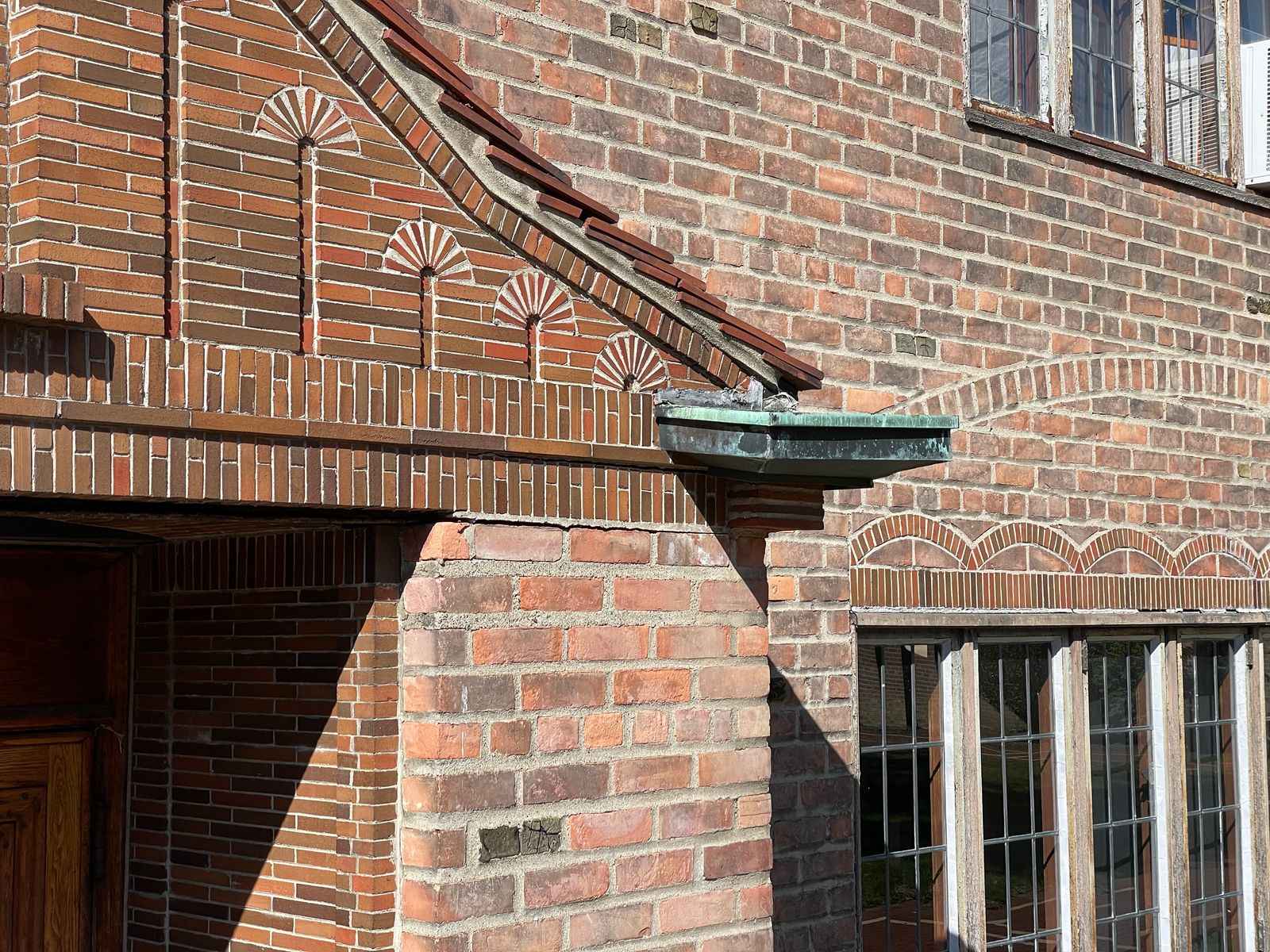
Material honesty is grounded in the belief that materials should be used in ways that respect their inherent properties. Wood should highlight its grain, concrete should showcase its raw texture, and brick should reveal its handmade character. This approach, central to modernist pioneers like Louis Kahn and Alvar Aalto, resists artifice and embraces truth. It is about celebrating imperfection, tactility, and the story embedded in each material.
In contemporary practice, material honesty is not only about authenticity but also transparency: buildings that openly reveal their structure, assembly, and material composition. This strengthens the relationship between architecture, its users, and its cultural or environmental context.
Case Studies: Authenticity in Practice
Louis Kahn’s Salk Institute, La Jolla, USA
Built in 1965, the Salk Institute exemplifies material honesty through its exposed concrete walls and teak detailing. Kahn’s design allows the materials to age gracefully, embracing weathering as part of the architecture’s life. The result is a timeless structure that balances monumental strength with human warmth.
Lesson: Material honesty fosters durability and dignity over time.

Tadao Ando’s Chichu Art Museum, Naoshima, Japan
Ando’s minimalist museum is carved into a hillside, relying on raw concrete and natural light to frame works of art. The unadorned surfaces reveal both craftsmanship and restraint, making the material a silent but powerful presence.
Lesson: Minimal intervention can amplify material authenticity, allowing the building to blend with its environment.

Herzog & de Meuron’s Tate Modern, London, UK
The Tate Modern’s conversion of the Bankside Power Station retained industrial brickwork and exposed steel, preserving the authenticity of the original building while inserting new layers of design. This reuse demonstrates how material honesty can carry historical memory into contemporary use.
Lesson: Material honesty bridges past and present, embedding heritage in modern design.

Vo Trong Nghia’s Bamboo Architecture, Vietnam
Vietnamese architect Vo Trong Nghia champions bamboo as both structure and surface, celebrating its strength, flexibility, and ecological value. Projects like the Bamboo Stalactite Pavilion highlight how traditional, local materials can be elevated through honest use, without masking their identity.
Lesson: Material honesty supports sustainability and reconnects design with nature.

Why Authenticity Matters Today
+ Sustainability: Using materials in their natural state reduces unnecessary processing, energy use, and waste.
+ Human Connection: Authentic textures - whether rough stone or warm wood - offer tactile richness that artificial substitutes cannot replicate.
+ Cultural Continuity: Honest materials carry regional identity, grounding architecture in place and tradition.
+ Longevity: Buildings that respect material properties age gracefully, often becoming more beautiful over time.
Design Lessons for Modern Practice
+ Celebrate Imperfection: Patina, grain, and weathering add depth to design.
+ Let Materials Speak: Avoid disguising or over-finishing materials.
+ Context Matters: Choose materials that reflect local climate, culture, and craft.
+ Transparency in Construction: Exposed structures and details foster trust and authenticity.
Conclusion: Toward an Honest Future
Material honesty is more than a design principle - it is an ethic. By revealing the truth of materials, architects create buildings that resonate with integrity, connect with users on a sensory level, and embody cultural and environmental awareness. In an age when artificiality is everywhere, authenticity in design is not just refreshing - it is necessary.
Save this story. A free account keeps your reading list and the 07:00 email in one place.
CREATE FREE ACCOUNT →SIGN IN