Opportunities: Where Generative AI Adds Value
a. Speed and Efficiency
Generative AI dramatically accelerates the design process. Instead of manually iterating through hundreds of forms, architects can prompt an AI engine to produce dozens of viable design concepts within seconds. Tools like Midjourney, Stable Diffusion, and Autodesk Forma are increasingly integrated into workflows, reducing weeks of sketching and rendering into hours.
Case Insight: In 2023, Foster + Partners tested AI tools to generate façade variations for mid-rise office buildings. What would have taken a team two weeks of manual modeling was reduced to two days of AI-supported exploration, allowing architects to refine rather than generate ideas.

b. Enhanced Creativity and Exploration
AI excels at producing unexpected combinations of form, structure, and materiality. For architects working on competitions or visionary projects, this “machine creativity” expands the design vocabulary.
+ Biomorphic Design: Zaha Hadid Architects have experimented with AI to explore complex organic geometries inspired by nature.
+ Client Engagement: AI-driven visuals help clients imagine multiple iterations of a design, making collaboration more dynamic.

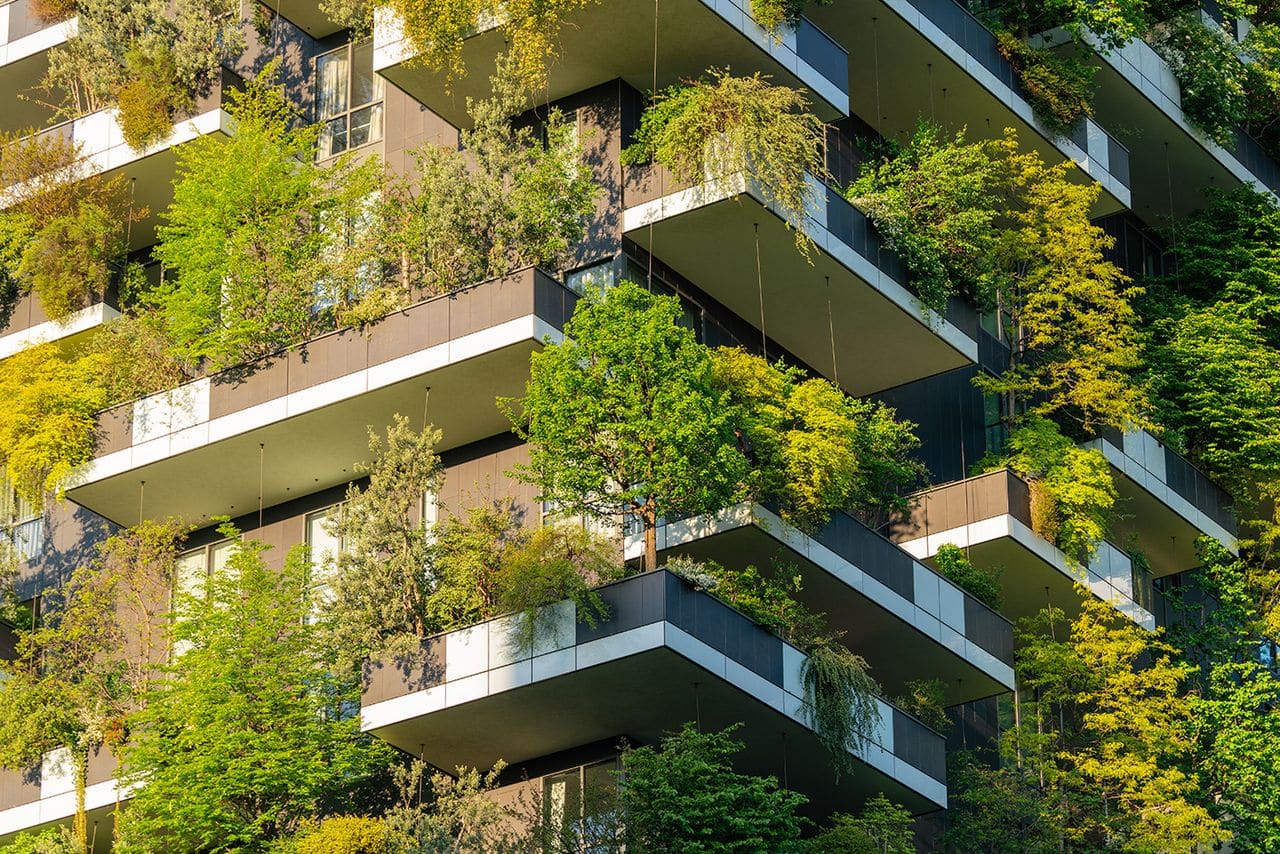
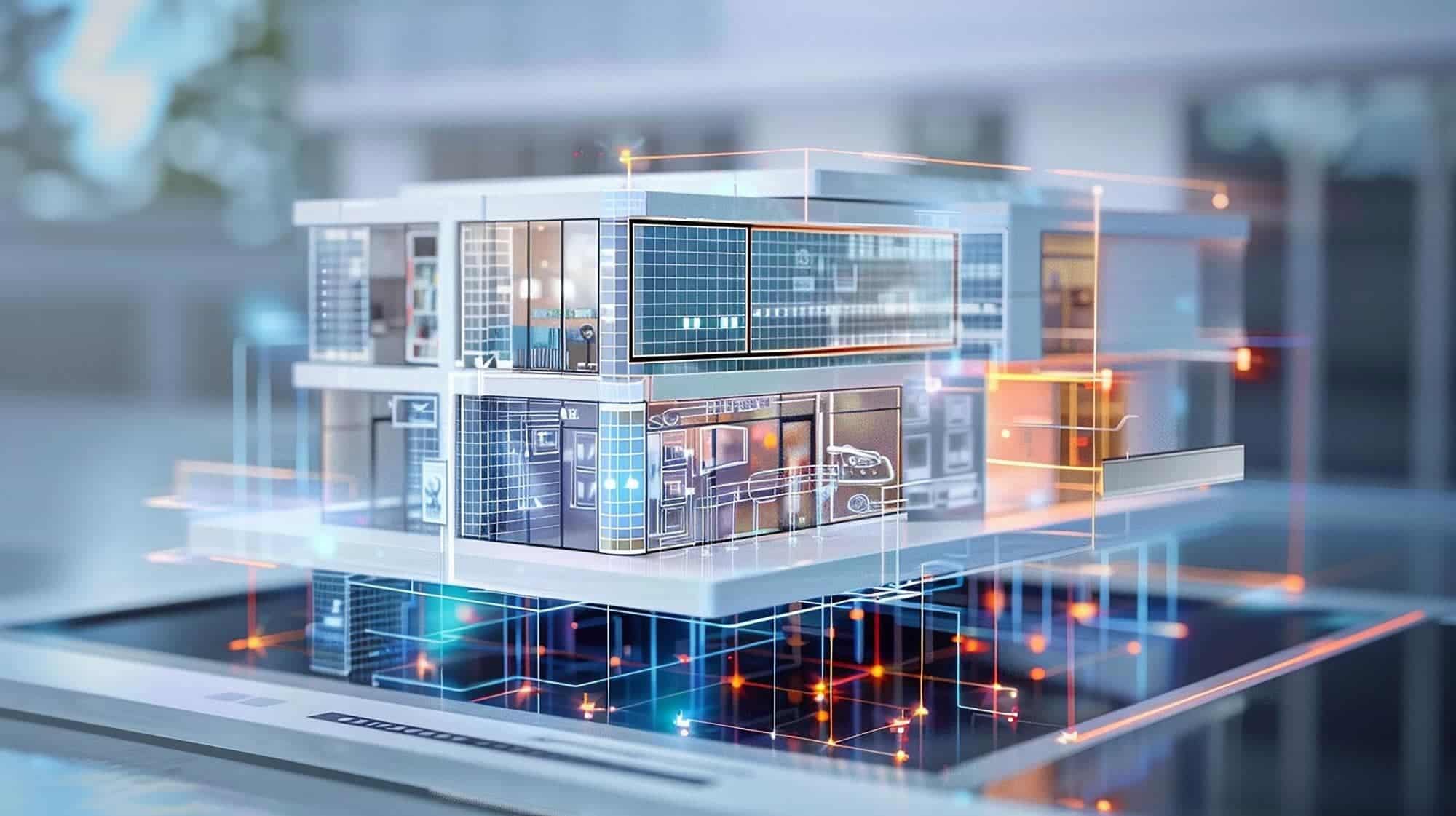
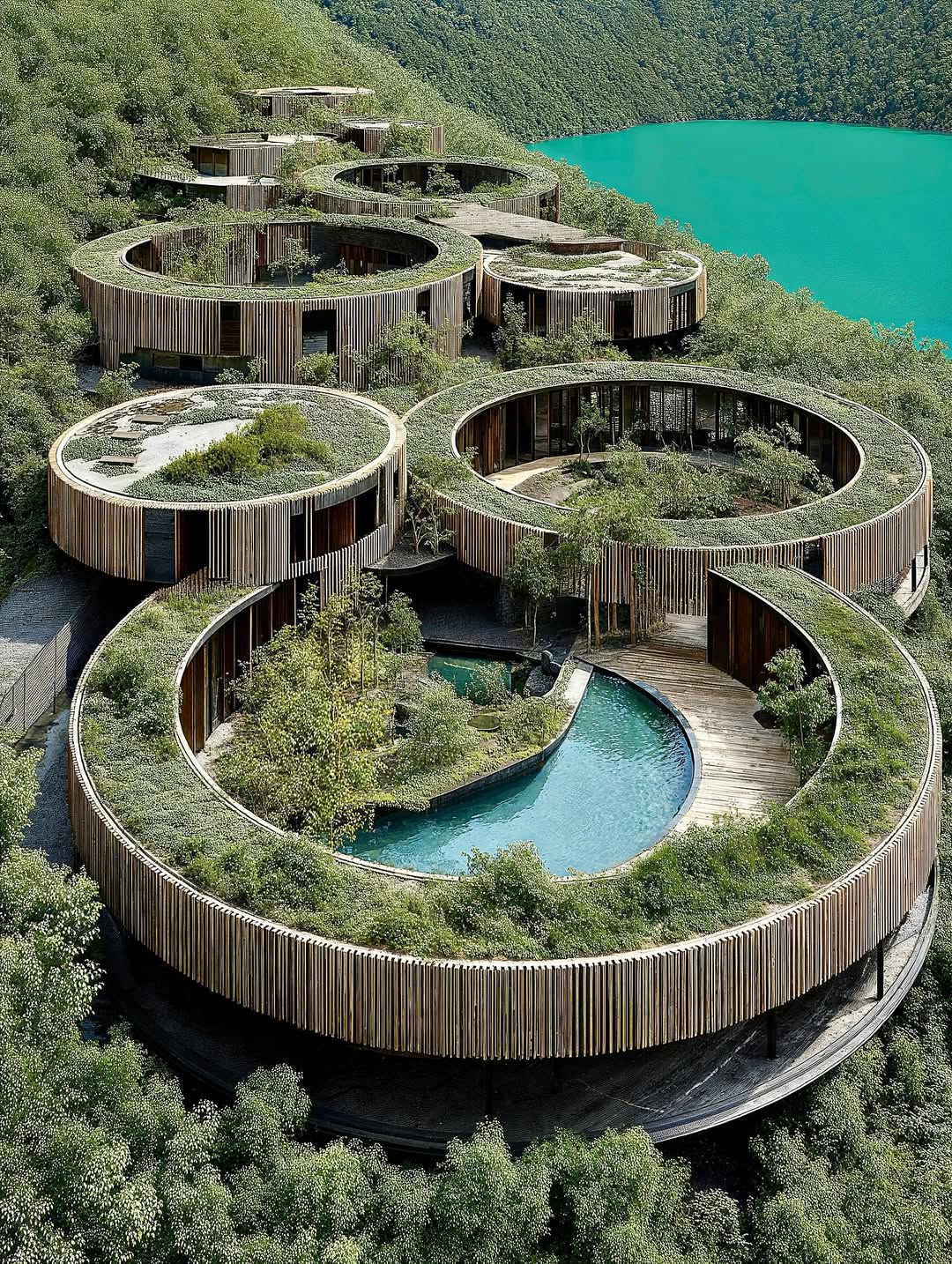
An example of architecture design using generative AI techniques
c. Data-driven Sustainability
AI can optimize for net-zero goals, daylighting, ventilation, and material efficiency. By coupling generative algorithms with performance simulations, architects can design buildings that meet ambitious carbon and energy targets.
Example: The engineering firm Thornton Tomasetti uses AI-powered optimization to reduce structural material use. In some projects, this has cut embodied carbon by 20–30%, without sacrificing performance.
d. Democratization of Design
Generative AI is lowering the barrier to entry for non-experts. Students, small practices, and even community groups can now explore architectural concepts with minimal resources. This democratization raises questions of authorship but broadens participation in shaping the built environment.
Risks: Challenges Along the Way
a. Intellectual Property and Authorship
One of the greatest risks is who owns AI-generated designs. If an architect uses Midjourney to design a façade based on prompts, does the copyright belong to the architect, the AI company, or is it public domain? The legal gray area risks undermining the value of architectural authorship.
b. Quality and Feasibility
AI outputs are often visually compelling but structurally or functionally unrealistic. Many generated images ignore building codes, circulation, or construction techniques. Without careful human oversight, the danger lies in aesthetic seduction at the expense of practicality.
c. Job Disruption and Deskilling
While AI creates new roles, it also threatens traditional ones. Drafting, rendering, and early-stage modeling may be increasingly automated, reducing demand for junior architects and visualization specialists. Critics argue this risks “deskilling” the profession, where architects may rely more on machines than on deep design training.
d. Ethical Bias and Data Concerns
Generative AI learns from datasets that often reinforce cultural and stylistic biases. For example, if the dataset is dominated by Western modernist architecture, outputs may marginalize local traditions or alternative design languages.

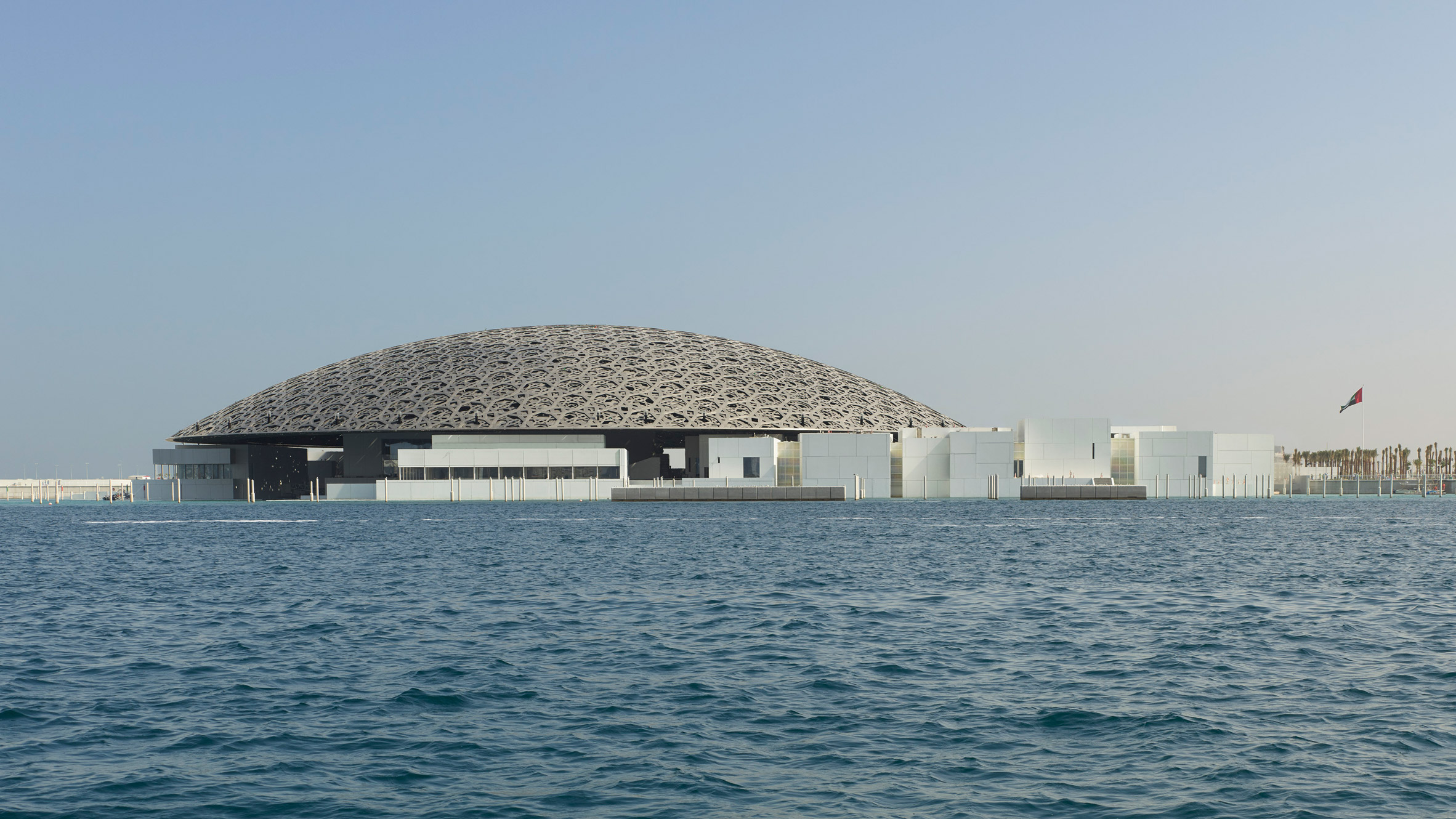
An example of AI - architecture design created by Synthetic Architecture
Early Success Stories
Despite risks, several pioneering examples show how AI is being meaningfully integrated into architecture.
a. OMA + AI for Urban Planning
OMA’s research unit explored AI to simulate future urban growth scenarios in rapidly developing Asian cities. By running thousands of iterations, AI models highlighted optimal land-use patterns for reducing congestion and improving livability.
b. Zaha Hadid Architects + AI for Interiors
ZHA’s design teams used AI-powered visualization for interior concepts at the 2023 Venice Architecture Biennale. The system generated ornamental patterns inspired by Islamic geometries, enabling faster prototyping of cultural design references.
c. Thornton Tomasetti + AI Structural Optimization
Engineering firm Thornton Tomasetti developed an AI-driven system to optimize steel and concrete usage in large stadiums. The result was a 25% reduction in structural weight, significantly cutting embodied carbon while saving millions in material costs.
d. BIG (Bjarke Ingels Group) + AI in Competitions
BIG has used AI tools to rapidly prototype multiple competition entries, generating hundreds of design options in record time. This allows their teams to refine narrative and context-driven design, while AI handles the raw iterative load.
e. AI in Education: Harvard GSD + MIT
Architecture schools are adopting AI not as a replacement but as an extension of human creativity. Harvard Graduate School of Design now integrates AI courses, encouraging students to use Midjourney and Stable Diffusion as part of studio projects. MIT’s DesignX program explores AI in generative urban systems.
The Future Landscape
a. AI as a Co-Designer
Rather than replacing architects, AI is evolving into a “co-designer.” The most effective practices view AI as a partner—handling rapid ideation and optimization—while human architects ensure context, ethics, and narrative.
b. Policy and Regulation
Professional bodies are beginning to draft guidelines. The Royal Institute of British Architects (RIBA) has warned about over-reliance on AI but acknowledges its potential to enhance practice if paired with robust ethics and copyright frameworks.
c. Toward Generative Cities
Looking ahead, entire city systems could be co-designed with AI. Imagine AI-led simulations optimizing for zero-emission transport, microclimate regulation, and equitable housing distribution—a level of integrated planning nearly impossible for humans alone.

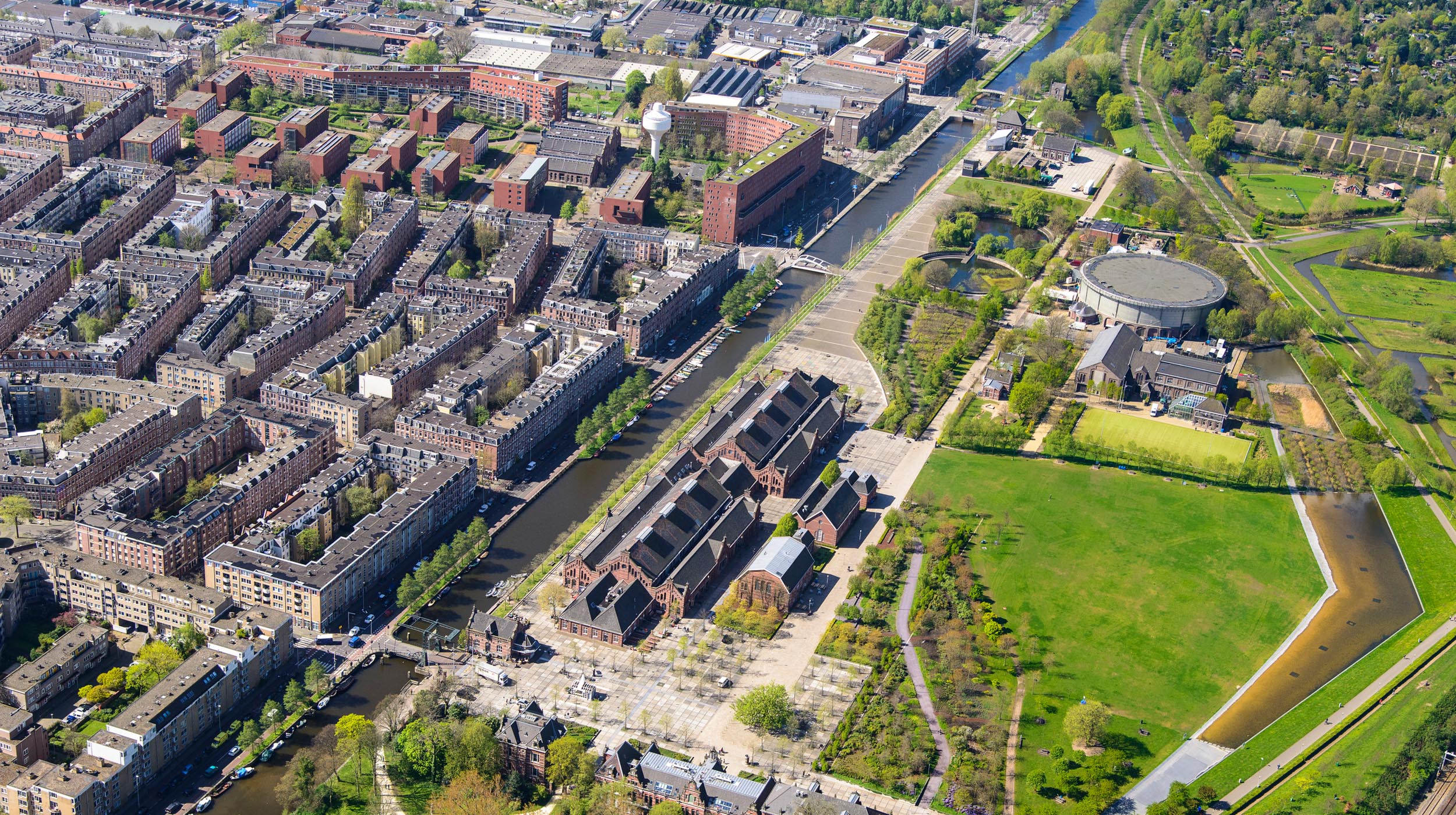
An example of AI - architecture design created by Synthetic Architecture
5. Synthesis: Balancing Opportunity and Responsibility
Generative AI represents one of the most significant disruptions to architecture since CAD in the 1980s. The opportunities—speed, creativity, sustainability, and democratization—are immense. The risks—authorship, feasibility, ethics, and displacement—are equally profound.
The success stories emerging today, from ZHA’s AI interiors to Thornton Tomasetti’s carbon reductions, demonstrate that AI can already deliver measurable benefits. Yet, the profession must navigate carefully to ensure AI augments rather than erodes the craft of architecture.
Save this story. A free account keeps your reading list and the 07:00 email in one place.
CREATE FREE ACCOUNT →SIGN IN