Hotels are more than temporary shelters for travelers; they are cultural thresholds. Every lobby, façade, and suite tells a story - not just of hospitality, but of place. In an increasingly globalized world, where design risks sliding into homogeneity, hotels have become powerful mediators of local identity. They can translate history, traditions, and landscapes into spatial experiences that immerse guests in the soul of a destination.
From vernacular architecture to culinary traditions and artisanal craft, today’s most iconic hotels go beyond offering luxury - they act as storytellers. They are bridges between the global and the local, creating a dialogue between visitor and place that extends well beyond the check-out date.
Architecture Rooted in Place
Architecture is often the first and most visible layer of identity. By embedding local materials, forms, and traditions into design, hotels can embody the essence of their settings.
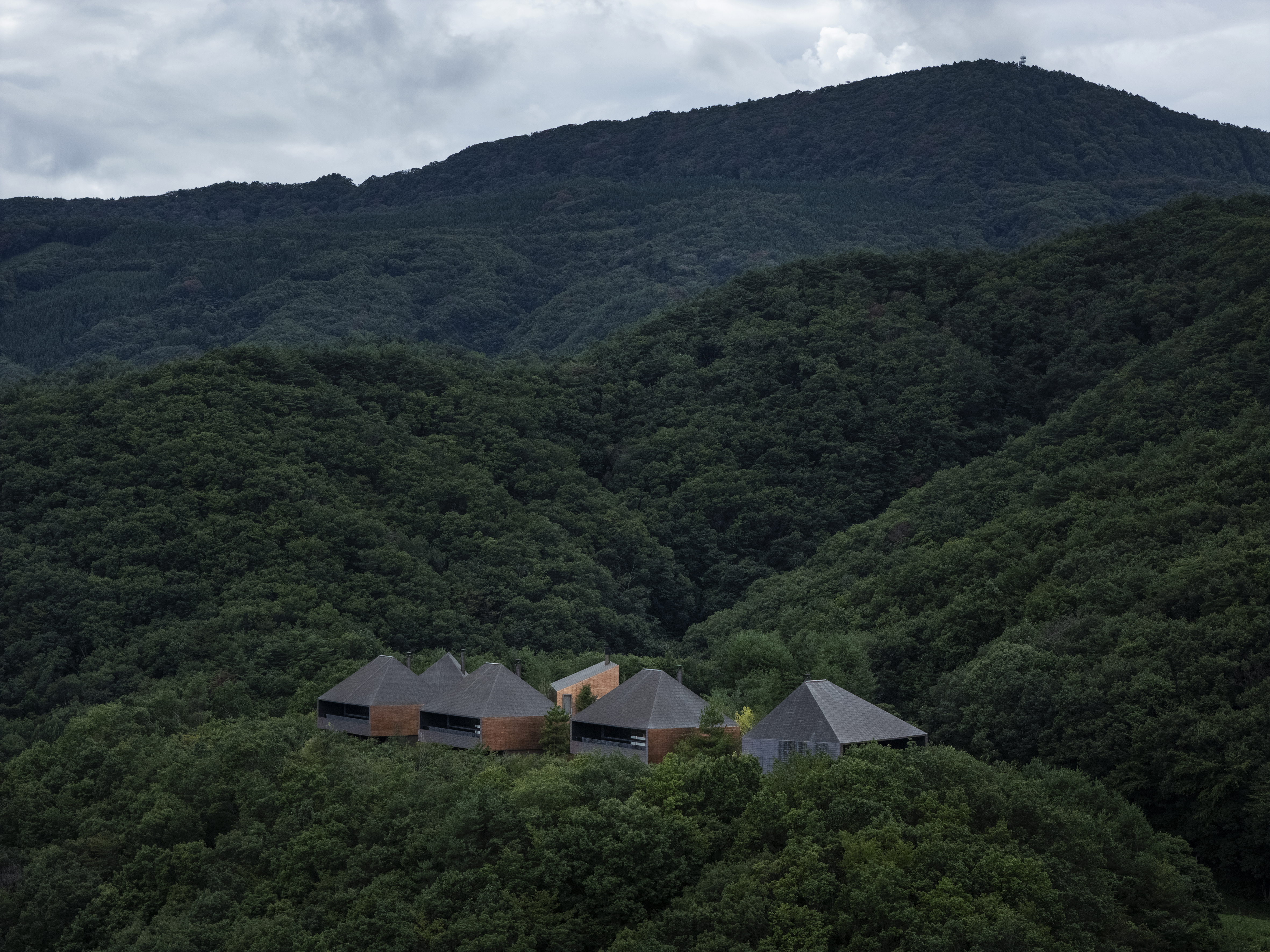
Take Amanoi in Ninh Thuan, Vietnam, a property designed by Jean-Michel Gathy. Set along the dramatic coastline near Nui Chua National Park, its pavilions echo traditional Vietnamese communal houses with steeply pitched roofs and timber structures. Guests don’t just see Vietnam’s landscape from their terraces - they inhabit an architecture deeply attuned to it. The sense of cultural continuity makes the experience inseparable from its surroundings.
Pavilions echoing traditional Vietnamese communal houses, blending seamlessly with the dramatic Ninh Thuan coastline
Similarly, the Taj Lake Palace in Udaipur, India, floats like a marble vision in the middle of Lake Pichola. Originally an 18th-century royal palace, it retains Rajputana architecture with domes, arches, and intricate mosaics. Staying here is not only an indulgence in luxury but an immersion into Rajasthan’s regal history, where architecture itself narrates centuries of tradition.
A floating marble palace on Lake Pichola, carrying Rajasthan’s regal heritage into the present
Interiors That Carry Cultural Stories
Beyond façades, interiors allow guests to experience local life in more intimate, tactile ways. The choice of materials, patterns, and craftsmanship is where cultural storytelling thrives.
At Six Senses Bhutan, interiors differ across lodges, each reflecting a facet of Bhutanese culture and landscape - from traditional wall paintings inspired by dzongs (fortresses) to the use of rammed earth and timber that connect guests to vernacular building practices. Instead of a generic brand identity, the hotel creates an evolving cultural journey, lodge by lodge.
Each lodge tells a different cultural story, from fortress-inspired walls to traditional murals
Another striking example is Fogo Island Inn in Newfoundland, Canada. Though geographically distant from Asia, it exemplifies how interiors rooted in craft can anchor identity. Handmade quilts, locally crafted furniture, and art by community members weave the stories of an island into every room. For guests, every touchpoint becomes a cultural dialogue.
Handmade quilts and locally crafted furniture reflecting the spirit of Newfoundland’s community
Rituals, Food, and the Everyday
Hotels also communicate local identity through rituals and gastronomy - experiences that connect travelers to the rhythms of everyday life.
Ryokan inns in Japan epitomize this philosophy. From tatami-matted rooms to kaiseki multi-course meals, ryokans preserve centuries-old traditions of Japanese hospitality. Here, design and ritual converge to form a seamless cultural immersion: guests bathe in onsen waters, sleep on futons, and dine on meticulously prepared seasonal cuisine - living, however briefly, within a Japanese way of life.
Tatami rooms, futons, and sliding screens offering a glimpse into timeless Japanese hospitality
Similarly, Alila Jabal Akhdar in Oman elevates the local culinary experience by sourcing ingredients from surrounding villages and serving dishes rooted in Omani heritage. Food becomes not just sustenance but storytelling, situating the guest in the terroir of the mountains.
Sustainability as Cultural Continuity
In many regions, sustainability is more than an ecological concern - it is an extension of cultural continuity. Hotels that embrace local building traditions not only reduce environmental footprints but also strengthen community identity.
The Zannier Hotels Phum Baitang in Cambodia is built to resemble a traditional Khmer village, with stilted wooden villas, thatched roofs, and rice paddies integrated into the landscape. By honoring vernacular forms, the hotel simultaneously supports local craftsmanship and ensures that cultural identity is not eroded by modernization.
A stilted Khmer village reimagined, with villas surrounded by rice paddies and palm trees
Meanwhile, Kasbah Tamadot in Morocco, owned by the Virgin Limited Edition group, employs local artisans to craft furniture, tiles, and textiles, embedding sustainability into the cultural economy. Guests experience Moroccan identity not as a staged performance, but as living heritage passed down through generations.
Local artisans shaping furniture, tiles, and textiles that bring Moroccan culture alive
Hotels as Cultural Ambassadors
Hotels serve as cultural ambassadors when they respect the past while engaging the future. They can elevate a destination’s identity to the global stage without reducing it to clichés.
The Burj Al Arab in Dubai, while hyper-modern, still embeds motifs inspired by traditional dhow sails and Bedouin heritage. Its dramatic silhouette is futuristic, yet unmistakably Emirati. This balance of spectacle and identity demonstrates how even the most ambitious architectural icons can remain rooted in place.
A futuristic icon inspired by the sails of traditional dhows, rising from the Arabian Gulf
Design Lessons: Translating Identity into Experience
+ Listen to the land: Architecture should respond to local landscapes and climates, creating a dialogue between nature and built form.
+ Elevate local craft: Interiors are opportunities to showcase traditions of craftsmanship and storytelling.
+ Honor everyday rituals: Food, bathing, or communal gatherings can become gateways to culture.
+ Embed sustainability: Green design rooted in vernacular practices strengthens cultural continuity.
+ Balance tradition and innovation: Hotels can be forward-looking while remaining anchored in heritage.
Conclusion
Hotels are no longer mere stopovers; they are cultural destinations in themselves. When designed with sensitivity to context, they become powerful gateways to local identity - spaces where travelers encounter history, tradition, and community in ways both tangible and transformative.
In a world where the homogenizing forces of globalization threaten to erase difference, hotels that embrace local identity remind us that true luxury lies not in detachment, but in connection. They tell us not just where we are staying, but where we belong - even if only for a fleeting night.
Save this story. A free account keeps your reading list and the 07:00 email in one place.
CREATE FREE ACCOUNT →SIGN IN