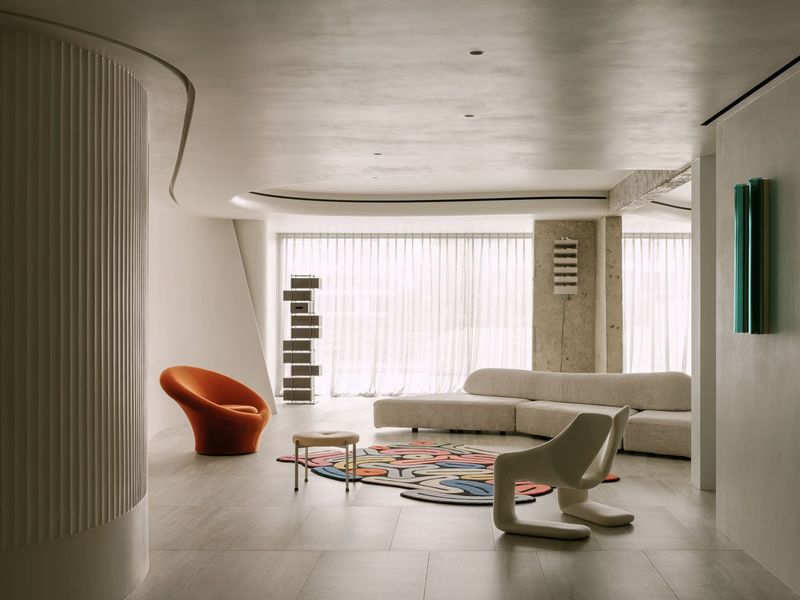

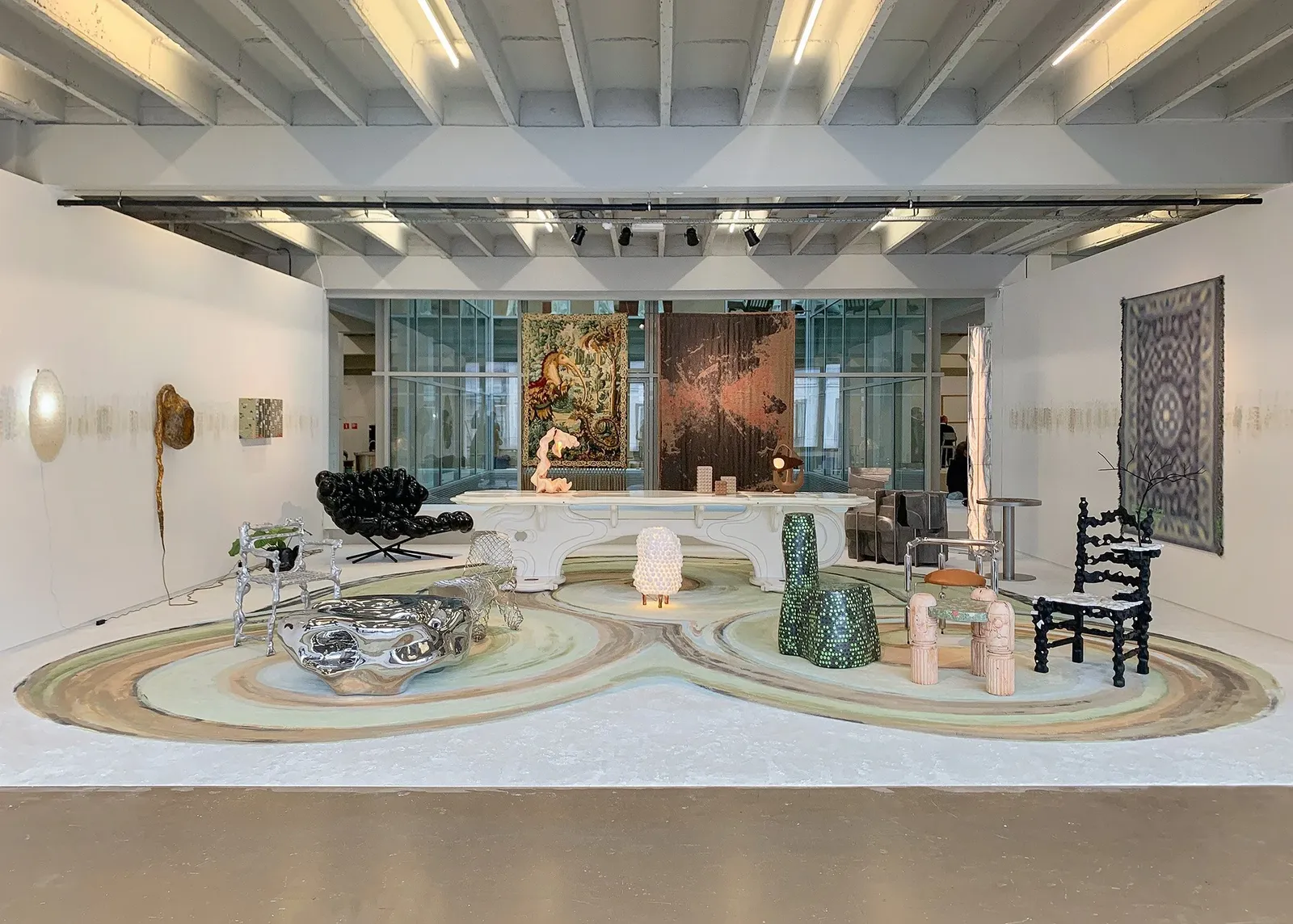
In today’s design landscape, furniture is no longer just about utility. A chair is no longer merely a place to sit, nor a table simply a surface to hold objects. Increasingly, designers across the globe are creating pieces that evoke feelings, memories, and cultural connections.
When Furniture Speaks to the Heart
In our daily lives, furniture is everywhere - tables, chairs, beds, shelves - so embedded in our routines that we rarely stop to consider its deeper meaning. Traditionally, furniture design has focused on practicality: comfort, ergonomics, durability, and efficiency. But a new wave of designers, curators, and thinkers are pushing back against this purely utilitarian view.
Today, furniture is increasingly seen not just as objects of use, but as objects of feeling. They can tell stories, evoke memories, and even provoke profound emotional responses. From a chair that provides comfort in times of anxiety to a table that carries the cultural heritage of a community, these designs challenge us to reconsider what it means to live with the objects we depend on every day.
As this shift gains momentum globally, it brings both excitement and controversy. Should a piece of furniture be considered successful if it delights the senses but fails in function? Can emotional design remain accessible, or will it inevitably become a luxury for the few? And how do designers honor cultural narratives without crossing into appropriation?
This is the frontier of contemporary furniture design: beyond function, toward connection.
Furniture as Storytelling: Objects with a Soul
The most emotionally resonant furniture often starts with a story. These stories can be personal, cultural, or historical, turning everyday objects into carriers of meaning.
Take the collaboration between Artek and Marimekko, two Finnish design powerhouses. By reimagining Alvar Aalto’s classic stools and chairs with Marimekko’s vibrant patterns, they created pieces that are instantly recognizable yet deeply rooted in Finnish culture. These designs are not merely decorative - they are living expressions of national identity, linking past and present through craft and materiality.

Similarly, Colombian designer Chris Wolston draws from his surroundings in Medellín, creating furniture that fuses botanical forms with artisanal techniques. His gilded chairs and tables evoke the lushness of tropical gardens while sparking dialogue about sustainability and opulence. These are not just objects to sit on - they are sculptural narratives, reflecting the rhythms of place and time.

The Science of Feeling: Designing for the Senses
While storytelling appeals to the mind, emotional furniture also works on a sensory level. This is where psychology and neuroscience intersect with design.
The emerging field of neuroaesthetics explores how shapes, textures, and colors can affect our emotions. Soft curves, for example, tend to evoke feelings of safety and nurturing, while sharp angles can signal alertness or even danger. Warm materials like natural wood or leather can create intimacy, while cold, metallic surfaces may feel distant or industrial.
Chinese designer Duyi Han explores this concept through furniture that engages multiple senses. His pieces are not just visually striking but also tactilely provocative, encouraging users to touch, interact, and experience subtle emotional shifts. A bench might invite relaxation through its gentle form, while a chair’s unexpected texture may prompt curiosity or even discomfort.

Sound plays a role too. Consider the creak of a well-used wooden rocking chair - a sound that carries memory and nostalgia. Or the rhythmic click of modular furniture as it’s assembled, creating a sense of ritual and participation.
When Emotion Challenges Function
Prioritizing emotion in furniture design can transform everyday objects into meaningful experiences. Sculptural forms, tactile materials, and narrative-driven concepts bring depth, joy, and personal connection to spaces. Pieces like Tanuvi Hegde’s Furniture for the Anxious Being even show how design can support emotional well-being, turning furniture into tools for comfort and storytelling. When done well, emotion elevates furniture from simple utility to lasting companionship.

However, emotion can clash with practicality. A visually striking chair may be uncomfortable, or a beautiful table might be too fragile for daily life. Handcrafted, narrative-rich designs often come with high costs, making them accessible only to a few. Cultural references, if handled carelessly, risk appropriation rather than celebration. And designs driven by trends can lose emotional resonance as tastes shift. The challenge lies in balancing feeling with function, creating pieces that endure both physically and emotionally.
The Future: Designing for Connection, Not Just Use
The rise of emotional furniture signals a broader cultural shift. In an era dominated by mass production and disposable goods, people are seeking deeper connections to the objects around them. A chair that tells a story or a table that sparks joy isn’t just décor - it’s a reflection of values, memories, and identity.
For designers, this represents both an opportunity and a responsibility. Emotional design must be handled with care:
+ Function should never be entirely sacrificed for feeling.
+ Authenticity matters: cultural narratives must be treated with respect.
+ Accessibility should remain a priority, ensuring beauty and meaning are not reserved for the elite.
+ Sustainability must be central, as emotional connections deepen when pieces are built to last.
Ultimately, emotional furniture challenges us to reconsider what we want from the objects that shape our spaces. As one design critic put it: “A well-loved chair is not just furniture. It’s a companion.”
Save this story. A free account keeps your reading list and the 07:00 email in one place.
CREATE FREE ACCOUNT →SIGN IN