
The Quiet Versatility of Linen
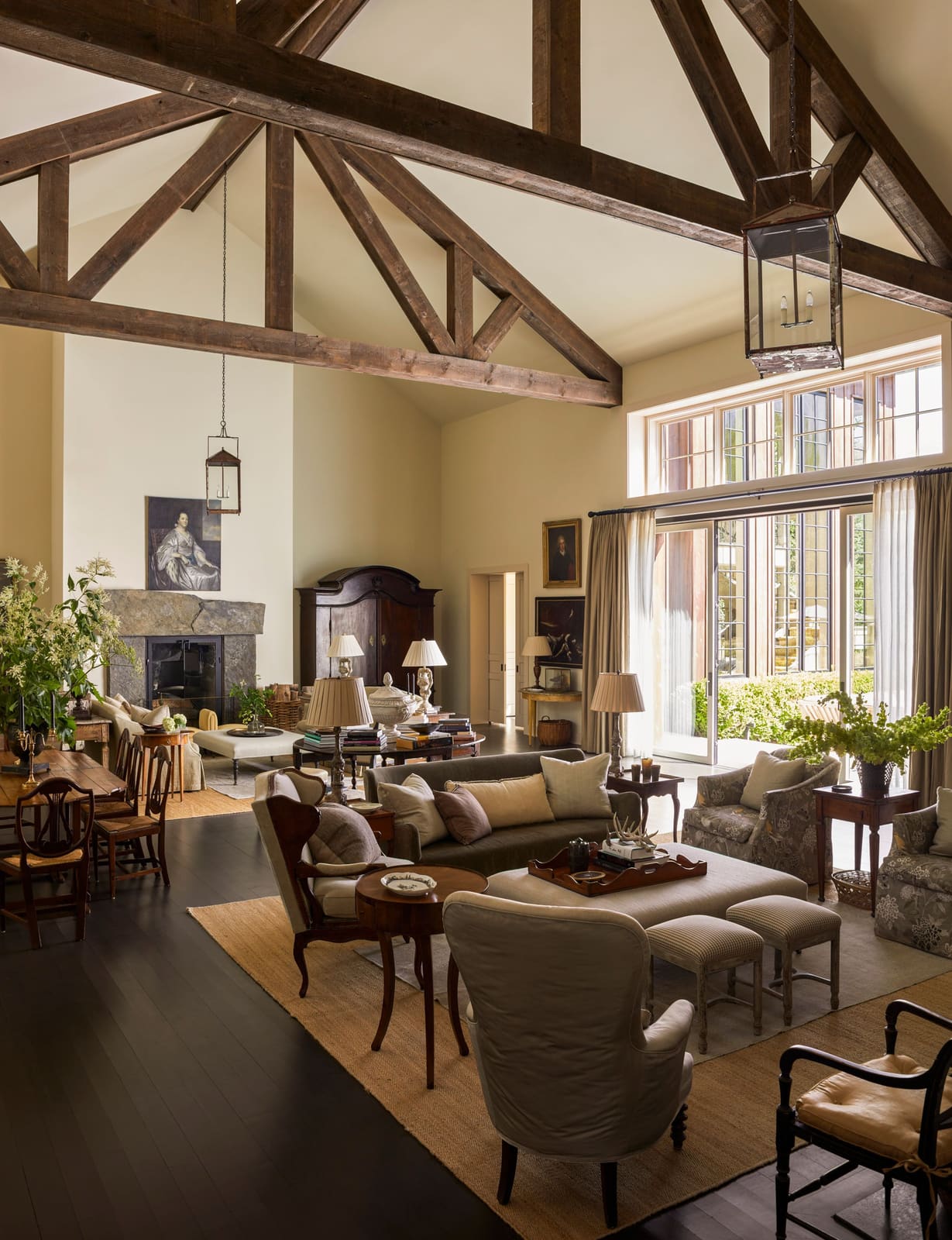
Walk through the portfolio of nearly any accomplished interior designer today, and you will encounter linen curtains. Not because the fabric is trendy, but because it performs a rare feat: it adds character without demanding attention. Linen drapes with grace, filters light with subtlety, and ages in a way that feels earned rather than worn. Its natural texture brings depth to minimalist spaces while softening the edges of more ornate rooms. In an era when interiors risk feeling too polished or overly styled, linen offers something increasingly valuable: restraint.
The appeal lies not in novelty but in adaptability. A sheer linen panel can diffuse harsh afternoon sun in a California bungalow, while a heavier pleated version might anchor the formality of a New York brownstone. The fabric moves easily between English cottages and urban lofts, between maximalist and minimal, between rooms that prioritize privacy and those that celebrate light. Understanding what makes one linen curtain different from another, however, requires looking beyond the surface.
Material Matters: European Flax and Beyond
Not all linen is created equal, and the differences begin with the fiber itself. European flax linen, sourced primarily from regions with cooler climates and nutrient-rich soil, produces longer, finer fibers that translate to a smoother, more durable fabric. Panels made from this material tend to hang with more weight and drape more consistently over time. Quince offers curtains crafted from 100% European flax linen, paired with a cotton lining that provides light filtering without total opacity. The result is a panel that feels substantial but not heavy, offering privacy without plunging a room into darkness.
Blends, meanwhile, offer their own advantages. Cotton-linen combinations, such as the 55% linen, 45% cotton composition found in GreenRow's crocheted panels, introduce softness and reduce wrinkling while retaining much of linen's natural texture. These blends can be especially practical in high-humidity environments or homes where frequent laundering is necessary. Pierce & Ward's striped curtains for West Elm lean even more heavily on cotton (90%), with just 10% linen providing enough texture to distinguish the fabric from standard cotton twill.
The choice between pure linen and a blend often comes down to function. Pure linen panels age beautifully, developing a patina that many designers prize. Blends, on the other hand, maintain a crisper appearance and require less maintenance. Neither is inherently superior; the decision depends on the room, the climate, and the homeowner's tolerance for the lived-in look that pure linen embraces.
Weave, Weight, and Light
The way linen is woven determines how it interacts with daylight, and this interaction shapes the mood of a room more than almost any other design decision. Sheer linen curtains, typically woven at 130 GSM (grams per square meter) or lighter, allow sunlight to pass through the fabric while diffusing its intensity. Cultiver's European flax panels exemplify this approach, offering a lightweight drape that softens harsh light without blocking it entirely. The effect is particularly striking in rooms with southern or western exposures, where unfiltered sun can overwhelm a space.
Heavier linens, often woven at 200 GSM or above, provide more structure and opacity. These panels still filter light, but they do so with greater control, making them suitable for bedrooms, media rooms, or any space where privacy is a priority. Heidi Caillier's Campden curtain, featuring a botanical print on medium-weight linen, demonstrates how a denser weave can support pattern without sacrificing the fabric's natural movement. The addition of a cotton lining further enhances light control while giving the curtain enough body to hold pinch pleats cleanly.
Nordic Knots takes a different approach by offering made-to-measure sheer linen panels in widths up to 115 inches and lengths extending to 250 inches. This level of customization ensures that the curtain fits the window precisely, eliminating awkward gaps or bunching. For rooms with unusually tall ceilings or expansive glass walls, off-the-shelf sizing often falls short. Custom dimensions allow the fabric to pool gracefully on the floor or hang just above it, depending on the desired effect.
Header Styles and Hanging Methods
The way a curtain attaches to the rod influences both its appearance and its function. Rod pocket headers, common in more casual or vintage-inspired designs, create soft gathers that emphasize the fabric's natural drape. GreenRow's ivory linen-cotton panels use this method, allowing the crocheted lace inset to take center stage without competing with decorative hardware. The rod pocket also makes installation straightforward, requiring no additional hardware beyond the rod itself.
Pinch pleats, by contrast, introduce structure and formality. The Campden curtain employs this technique, using evenly spaced pleats to give the fabric a tailored finish that complements the botanical print. Pinch pleats work best with heavier linens, where the added weight helps the pleats hold their shape. They also pair well with traverse rods, allowing the curtains to open and close smoothly without losing their crisp appearance.
Hidden loops, as seen in Cultiver's minimalist panels, eliminate visible hardware entirely, creating an uninterrupted line from ceiling to floor. This approach suits contemporary interiors where clean lines and simplicity are paramount. The loops slide easily along a rod, but the lack of visible rings or clips keeps the focus on the fabric itself.
The Linen Made's customizable panels on Etsy offer the widest range of header options, including rod pockets, tab tops, back tabs, and grommets. This flexibility allows homeowners to match the curtain's hanging method to the room's architectural style and the existing hardware. Grommets, for instance, lend a modern, industrial edge, while tab tops evoke a more relaxed, cottage aesthetic.
Pattern, Texture, and the Case for Embellishment
Linen's neutral texture makes it an ideal canvas for pattern, but not all patterns suit the fabric equally well. Florals, particularly those with a hand-drawn or watercolor quality, feel at home on linen because the fabric's natural irregularities soften the print. Heidi Caillier's trailing botanical design benefits from this relationship, with the linen's texture adding depth to the pattern rather than competing with it. The geometric border that frames the print provides structure, preventing the floral motif from feeling too loose or unanchored.
Stripes, meanwhile, offer a more graphic alternative. Pierce & Ward's ticking stripe curtains nod to vintage textiles, but the cotton-linen blend keeps them from feeling too precious or overly nostalgic. The dual hanging options (rod pocket or back tabs) allow the stripes to read differently depending on the installation method, with back tabs creating a more tailored line and rod pockets emphasizing the fabric's casual drape.
Lace and crochet details introduce a layer of craftsmanship that elevates linen beyond its utilitarian roots. GreenRow's crocheted inset transforms an otherwise simple ivory panel into something more considered, recalling heirloom linens without the weight of literal antiques. The mitered hem reinforces the sense of care in construction, ensuring that the curtain hangs cleanly and ages well.
Color, too, plays a role in how linen curtains are perceived. While white and natural tones dominate the market, Nordic Knots expands the palette to include hay, hazelnut, and olive, muted shades that bring warmth and depth to sheer panels. The Linen Made takes this even further, offering 40 color options that allow for highly specific customization. This range makes it possible to match or contrast with existing decor, whether the goal is subtle integration or deliberate accent.
Precedents in Practice
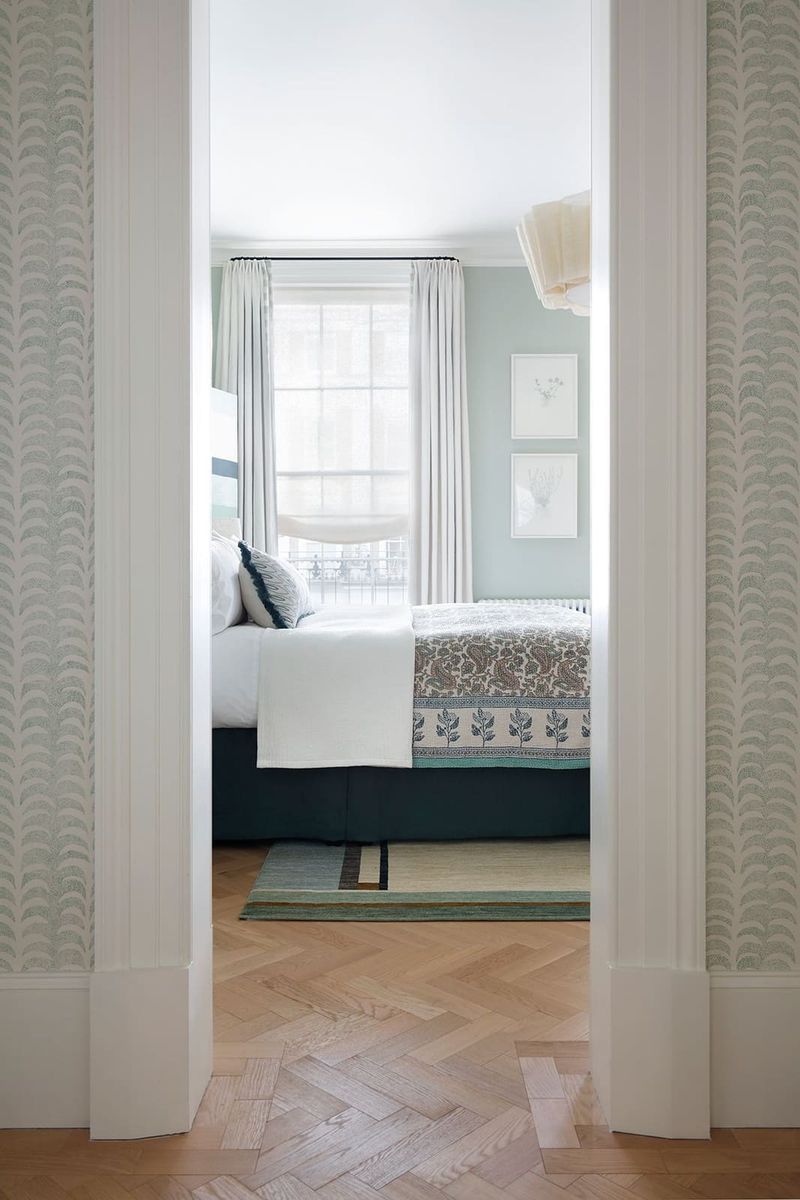
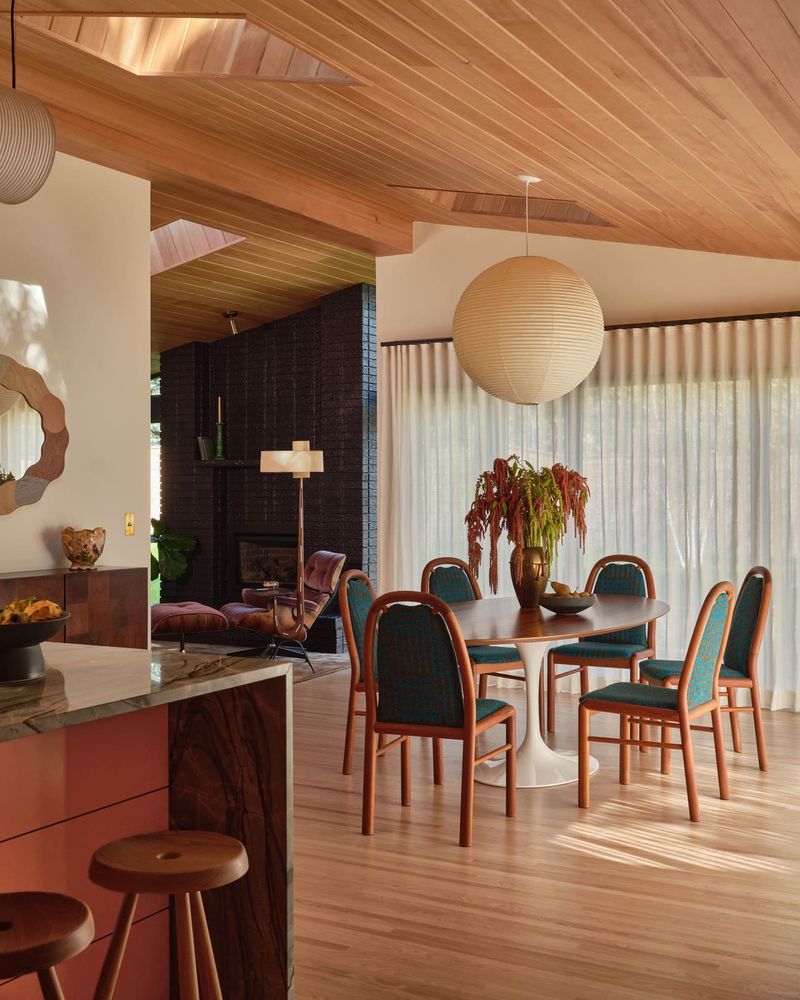
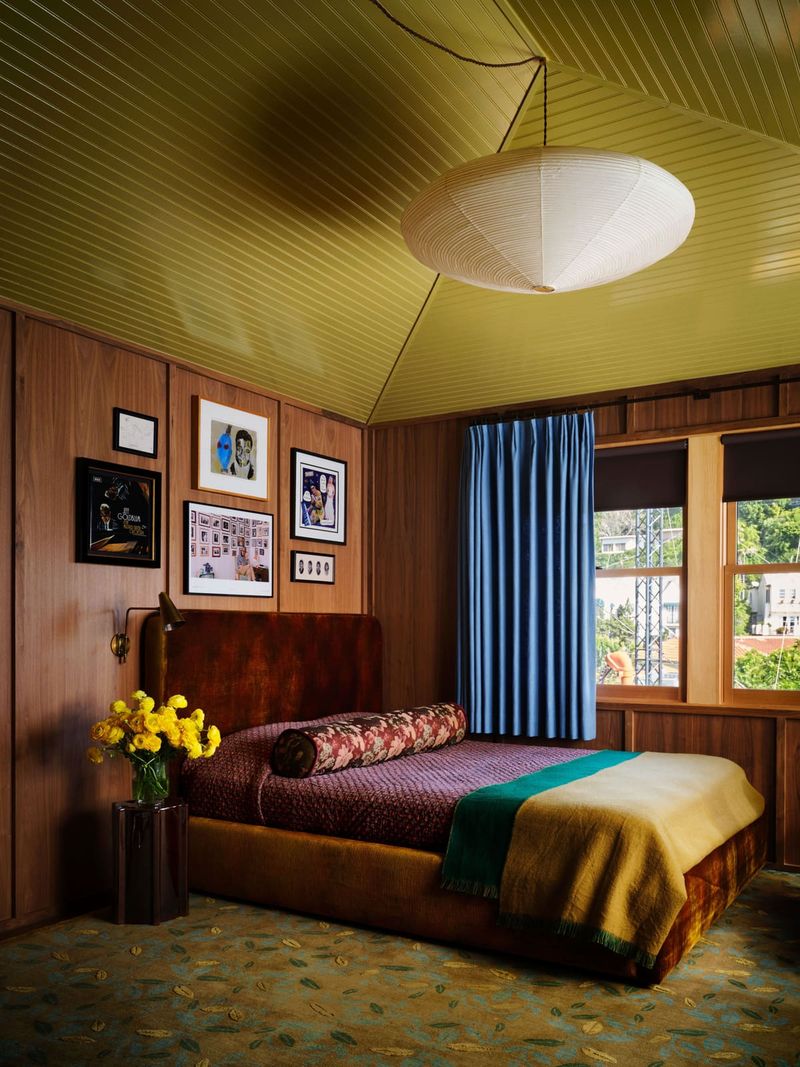
Linen curtains are not a new phenomenon, but their current prevalence in high-end interiors reflects a broader shift toward natural materials and understated luxury. Designers working in the mid-century modern tradition have long favored sheer linen panels that prioritize light over privacy, allowing the architecture itself to remain the focal point. This approach finds echoes in the work of contemporary practitioners who use paper-thin linen to frame views without obstructing them.
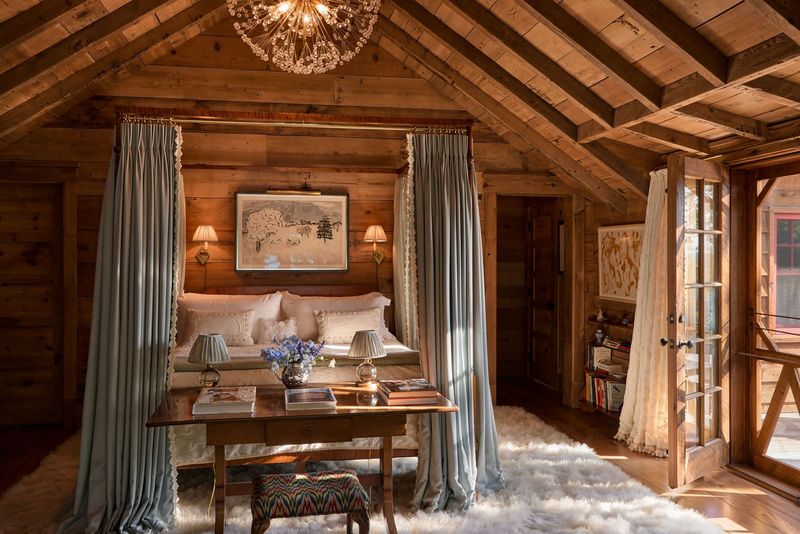
At the other end of the spectrum, designers rooted in traditional or English country aesthetics often choose heavier, lined linen curtains that provide both insulation and formality. These panels, frequently paired with decorative hardware or tiebacks, contribute to a layered, collected look that feels lived-in rather than staged. The material's ability to serve both camps, minimalist and maximalist alike, speaks to its fundamental versatility.
The rise of biophilic design has also bolstered linen's reputation. As a plant-based fiber, linen aligns with the broader interest in sustainable, low-impact materials. European flax, in particular, requires less water and fewer pesticides than cotton, making it an appealing choice for environmentally conscious homeowners. The fabric's durability further enhances its sustainability credentials; well-made linen curtains can last decades, aging gracefully rather than deteriorating.
Installation and Maintenance Considerations
Linen curtains require a different approach to care than synthetic alternatives. The fabric is prone to wrinkling, a characteristic many designers view as part of its charm. For those who prefer a crisper look, steaming or ironing while slightly damp can smooth out creases without flattening the texture entirely. Some manufacturers, including Quince, offer lined versions that reduce wrinkling and provide additional body, making maintenance easier without sacrificing the linen's natural appearance.
When it comes to installation, length is critical. Linen curtains that hover awkwardly above the floor or fall just short of it can undermine an otherwise well-designed room. Panels that skim the floor or pool slightly tend to photograph best and create a sense of luxury that standard lengths rarely achieve. Made-to-measure options, such as those from Nordic Knots or The Linen Made, eliminate the guesswork, ensuring that the curtains fit the space precisely.
Hardware selection also matters. Linen's weight and texture are best showcased on rods that allow the fabric to move freely. Traverse rods work well for heavier panels, while simple poles suffice for lighter sheers. Finials and brackets should complement rather than compete with the curtains; understated hardware in brass, matte black, or natural wood tends to let the linen remain the focus.
Closing the Loop
At World Archi Design, we have tracked the evolution of window treatments across residential and hospitality projects for years, and linen's persistence in the conversation is no accident. The fabric offers something increasingly rare in contemporary design: flexibility without compromise. It adapts to the light, the architecture, and the homeowner's shifting tastes, all while maintaining a coherence that few materials can match. Whether sheer or lined, patterned or plain, linen curtains remain one of the most reliable tools in the designer's kit, not because they solve every problem, but because they rarely create new ones.
The curtains profiled here, from Quince's straightforward European flax panels to The Linen Made's customizable options, represent a cross-section of what the market currently offers. Each responds to a different set of priorities, whether that is cost, customization, pattern, or sheer simplicity. What they share is an understanding that window treatments are not afterthoughts. In rooms where every element is considered, curtains deserve the same attention as the furniture, the lighting, and the art. Linen, more than almost any other fabric, rewards that attention.
Save this story. A free account keeps your reading list and the 07:00 email in one place.
CREATE FREE ACCOUNT →SIGN IN