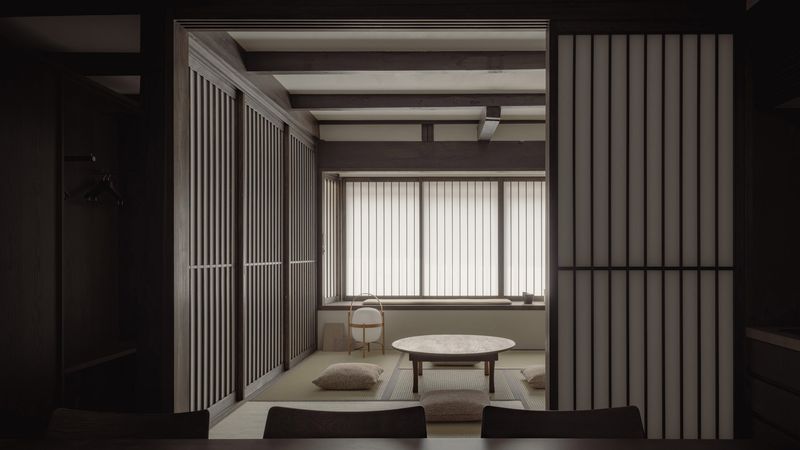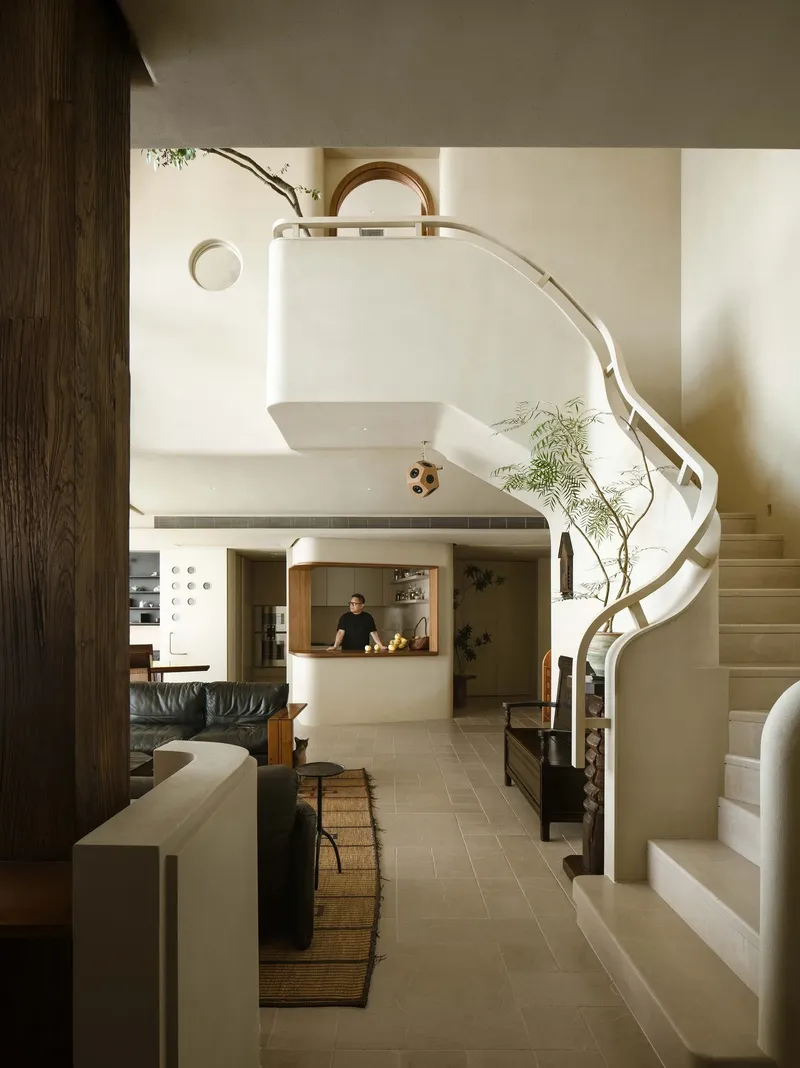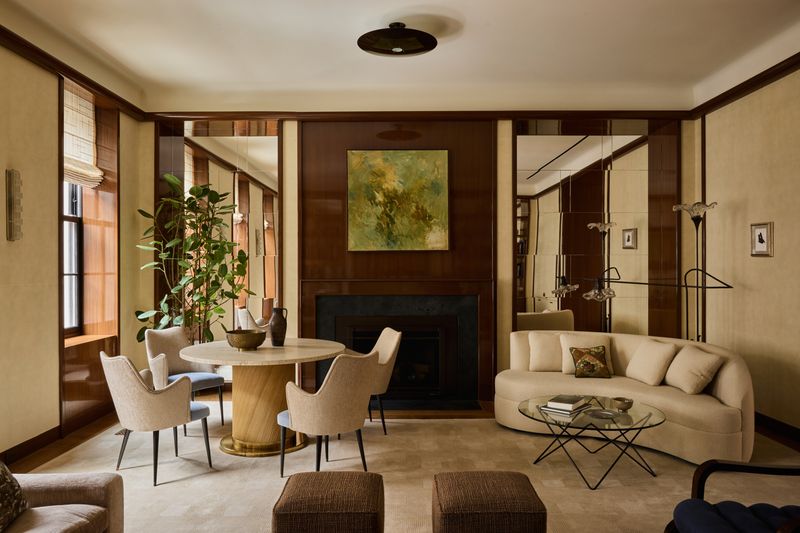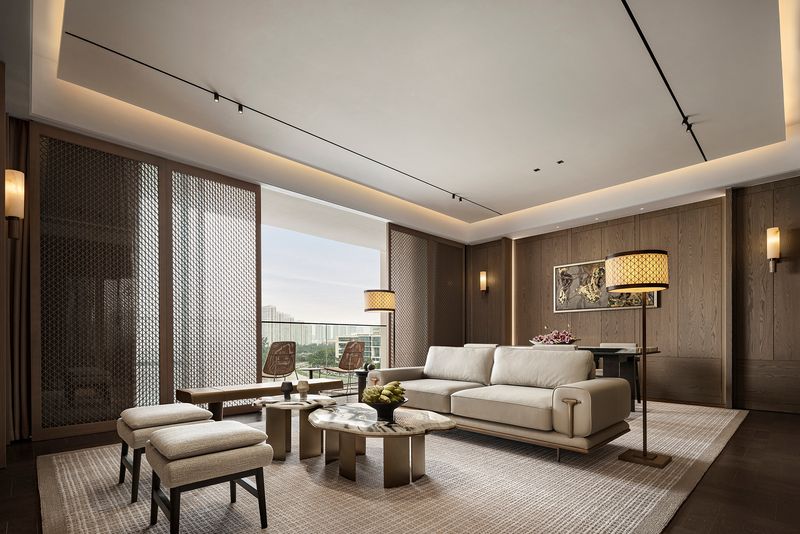

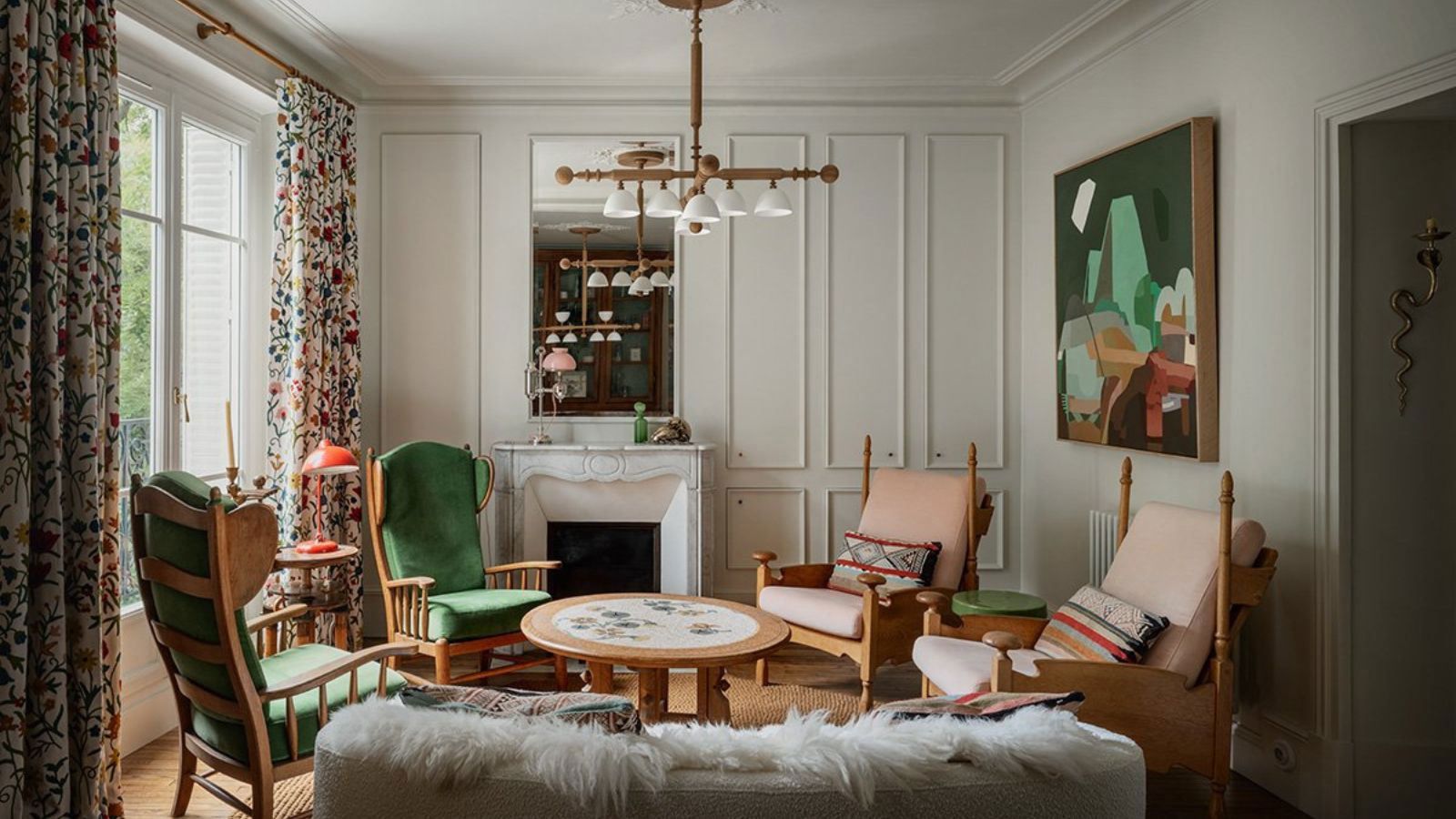
In a world where interiors have oscillated between stark minimalism and exuberant maximalism, Midimalism has emerged as a thoughtful, balanced alternative - a design philosophy that embraces clarity and character, restraint and warmth. Far from being a passing buzzword, it’s capturing attention as one of the most relevant trends in contemporary interior design for 2026, blending the best of both extremes into spaces that feel intentional, expressive, and deeply livable.
What Is Midimalism?
At its core, Midimalism sits squarely between traditional minimalism and maximalism. It’s a design ethos that:
+ Respects restraint: like minimalism, it values uncluttered space, clean lines, and a calming foundation.
+ Welcomes personality: like maximalism, it embraces texture, pattern, and objects with emotional resonance, but in moderation and with purpose.
This trend is not about filling every surface or sterilizing a room until it feels impersonal. Instead, it favors curated simplicity - spaces where every piece matters, where objects tell stories without overwhelming the senses.
As designer Isy Jackson puts it, midimalism is “minimalism with warmth”, refining spaces without stripping them of character.
Why the Shift Toward Midimalism
1. The Emotional Turn in Interior Design
Homes are no longer just styled backdrops for social media, they are emotional sanctuaries. People want spaces that regulate stress, feel nurturing, and reflect personal identity. Midimalism supports emotional well-being by:
+ Reducing visual clutter (which lowers cognitive load)
+ Allowing meaningful objects to remain visible
+ Creating calm backdrops for daily life
+ Supporting rest, focus, and comfort
This makes midimalism especially appealing in a world shaped by burnout culture, hybrid work, and constant digital stimulation.
2. Balanced Expression
Extreme minimalism can feel clinical. Extreme maximalism can feel chaotic. Many homeowners and designers are fatigued by both. Midimalism responds to this design exhaustion by offering:
+ Visual interest without sensory overload
+ Simplicity without emotional emptiness
+ Personality without clutter
It’s a design language that feels mature - less about trends, more about long-term livability.
3. Sustainability and Conscious Consumption
Midimalism aligns naturally with more sustainable values:
+ Fewer items, chosen more carefully
+ Investment in quality rather than fast décor
+ Repairing and reusing meaningful pieces
+ Mixing vintage with modern
+ Avoiding trend-driven waste
Because each item must “earn its place,” people tend to buy less, but better. This leads to more enduring, lower-impact interiors.
Core Design Principles of Midimalism
Here’s how midimalism translates into real spaces:
Neutral, Calming Foundations
Start with a base of grounding colors - warm whites, earthy neutrals, soft stones - to create a calm backdrop.

Quality Over Quantity
Choose pieces with intention. A streamlined sofa, sculptural chair, or a textured rug can shape the room’s tone without filling it.

Textural Play and Layering
Tactile materials like wood grain, bouclé, linen, and brushed metals introduce depth without busy patterns.

Selective Pattern and Color
Midimalism balances simplicity with subtle pops of personality. Think muted accents - sage greens, soft terracottas - rather than bold, competing hues.

Meaningful Curations
Artwork, decor, and vintage objects should feel intentional. It’s not “more stuff”, it’s “what feels right”.

Embrace Negative Space
Let blank walls and open areas speak. A few well-placed statement pieces can stand out more effectively when there’s room to breathe.

Midimalism in Practice: Room-by-Room
Living Rooms
Grounded sofas and tactile textiles provide comfort, while one or two eye-catching items - a sculptural lamp, a ceramic vase - add personality without overpowering the room.

Bedrooms
Keep linens soft and color restrained, but allow personal art or a patterned throw to offer a focal point. Layers of texture make the space feel inviting.

Kitchens and Functional Areas
Clean cabinetry and simple hardware create flow, while carefully chosen accessories - crockery, potted herbs, vintage tools - bring warmth.

Design Takeaways: Making Midimalism Work
+ Curate, don’t collect: aim for a thoughtful edit, not a display case.
+ Respect balance: every element should earn its place.
+ Mix eras thoughtfully: blend mid-century with contemporary, vintage with modern.
+ Let space breathe: avoid overstuffed shelves or competing focal points.
+ Be intentional with color: use subtle hues to uplift, not dominate.
Midimalism’s Lasting Appeal
In a culture saturated with imagery, consumption, and constant stimulation, midimalism offers relief. It is visual breathing room. It is design that respects both the eye and the nervous system. It acknowledges that we crave beauty, but not at the expense of peace.
If minimalism was about control, and maximalism about expression, midimalism is about maturity. It reflects a quieter confidence in how we choose to live with fewer things, chosen better, arranged with care, and lived with fully.
Save this story. A free account keeps your reading list and the 07:00 email in one place.
CREATE FREE ACCOUNT →SIGN IN