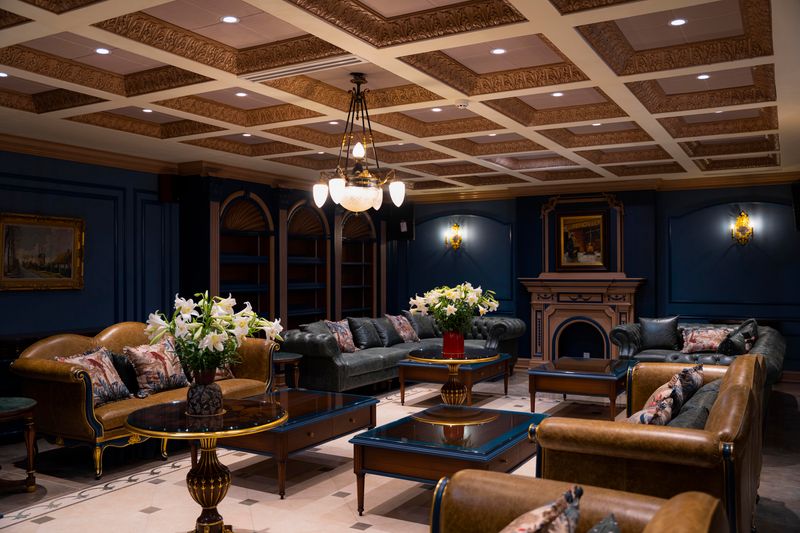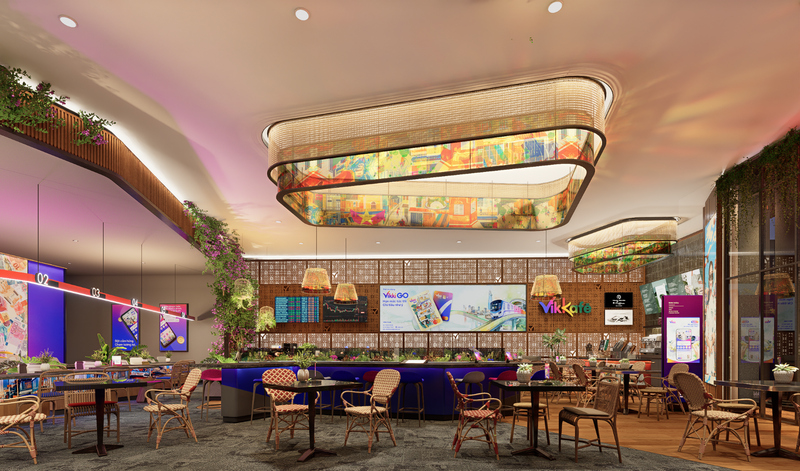

In the evolving language of interior design, textiles have transcended their functional role to become storytellers - weaving history, craft, and emotion into the spaces we inhabit. From handwoven fabrics to digitally printed motifs, textile patterns today blur the line between art and architecture. They are no longer confined to soft furnishings but extend boldly onto walls, floors, and structural surfaces, redefining how texture and pattern shape modern interiors.
The Return of the Tactile
In a world increasingly dominated by sleek surfaces and digital screens, the resurgence of textile-inspired design signals a longing for tactility and warmth. Contemporary interiors embrace woven aesthetics not just through upholstery and drapery but also through architectural finishes that emulate textile qualities.
In Kvadrat’s showroom in Copenhagen, designed by Bouroullec Brothers, walls are wrapped in acoustic panels covered with woven wool textiles. The rhythmic geometry of the weave softens sound and light, transforming the minimalist space into one that feels both serene and sensorial. Similarly, Patricia Urquiola’s Shimmer Collection for Glas Italia reinterprets textile layering through colored glass, proving that pattern can be experienced through reflection and transparency, not just fabric.
Kvadrat Showroom - woven wool panels transform sound and light into texture
Photo Credit: Michel Giesbrecht
Patricia Urquiola’s Shimmer Collection - layered glass surfaces reinterpret textile transparency and iridescence in sculptural form
Photo Credit: Nilaya Anthology
Weaving Culture and Craft
Textile patterns have long been a vessel for cultural storytelling. In contemporary interiors, designers draw from traditional weaves and reinterpret them through modern materials and scales. The Aman Kyoto Resort, for instance, integrates shibori-inspired wall coverings and tatami-like textures in its suites, blending Japanese craft with contemporary restraint. These tactile surfaces root the interiors in place and tradition while maintaining a global aesthetic.
Aman Kyoto Resort - shibori-inspired walls merge craft heritage with modern minimalism
Photo Credit: Aman Resorts
Elsewhere, the Ace Hotel Kyoto, by Kengo Kuma and Commune Design, layers local textiles and bespoke weaves across furniture and wall panels. The repetition of woven motifs, from fine linen to indigo-dyed cotton, creates a cohesive rhythm that celebrates imperfection and human touch. The design lesson here: pattern becomes meaningful when it carries the memory of making.
Ace Hotel Kyoto - local weaves and indigo fabrics infuse cultural rhythm into contemporary interiors
Photo Credit: Ace Hotel
Patterns as Architecture
Beyond decoration, textile-inspired geometry now informs spatial composition. Architects are translating weaving techniques into three-dimensional structures - a concept vividly illustrated in Hella Jongerius’s Woven Wall installation at the Berlin Gallery Weekend. Here, interlaced cords create a sculptural partition that diffuses light like a fabric screen.
Hella Jongerius’s Woven Wall - architecture meets textile in an interplay of light and tension
Photo Credit: Dan Ipp
This architectural use of pattern emphasizes permeability and flow - qualities once exclusive to textiles. Whether achieved through perforated metal panels, laser-cut wood, or 3D-printed ceramics, these designs capture the essence of weaving: interconnection, rhythm, and tension. The result is architecture that feels dynamic yet intimate.
The Emotional Power of Pattern
Textile patterns resonate deeply because they engage the senses. A handwoven rug or embroidered wall covering doesn’t just add color, it carries narrative and memory. Designers increasingly use such elements to create atmospheres of comfort, authenticity, and belonging. At the Warren Street Hotel in New York City, Kit Kemp demonstrates this beautifully: patterned upholstery, richly woven wall fabrics, and layered textures form a joyful tapestry of design. Every textile tells a story, from hand-stitched headboards to printed curtains, creating an environment that feels personal, grounded, and alive.
Warren Street Hotel - an exuberant mix of woven textures, patterned upholstery, and hand-finished details that turn every surface into a canvas of craft and color
Photo Credit: Warren Street Hotel
The underlying principle is emotional layering. Patterns, when thoughtfully applied, act as visual texture that invites touch and evokes familiarity. They humanize minimalist spaces, infusing them with warmth and character. In doing so, they remind us that true comfort in design often comes not from perfection, but from the interplay of color, craft, and imperfection made visible.
From Weave to Future
As sustainability reshapes design priorities, textile patterns offer both aesthetic and ethical value. Many studios now collaborate with artisans or revive dying crafts to produce handwoven panels, organic dyes, and biodegradable fabrics. Digital technologies complement this revival, translating weaves into scalable architectural graphics or sustainable wall finishes that mimic textile depth without waste.
Ultimately, the new wave of textile-inspired interiors reminds us that design, like weaving, is an act of connection between people, materials, and time. From the handloom to the wall panel, every thread tells a story of continuity. And in an era that prizes authenticity and touch, those stories are what make our spaces, and ourselves, feel whole.
Save this story. A free account keeps your reading list and the 07:00 email in one place.
CREATE FREE ACCOUNT →SIGN IN