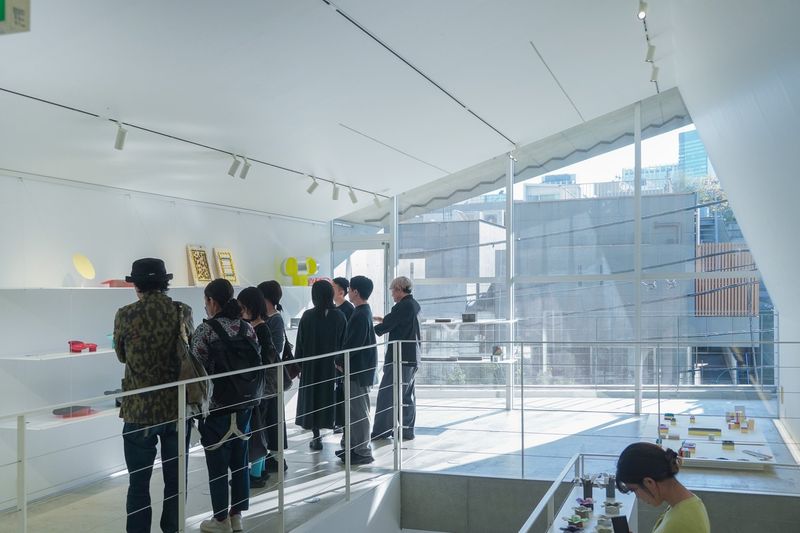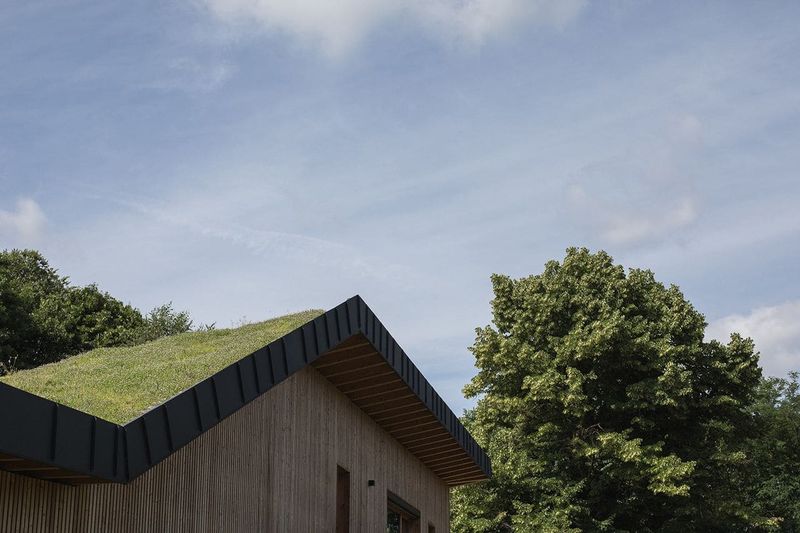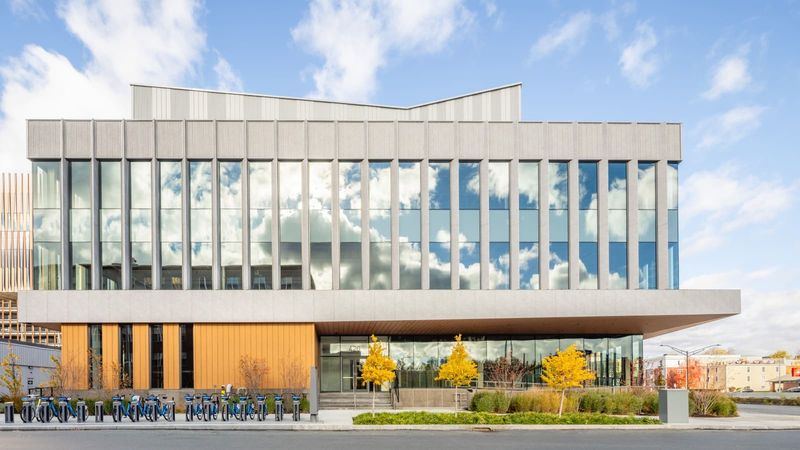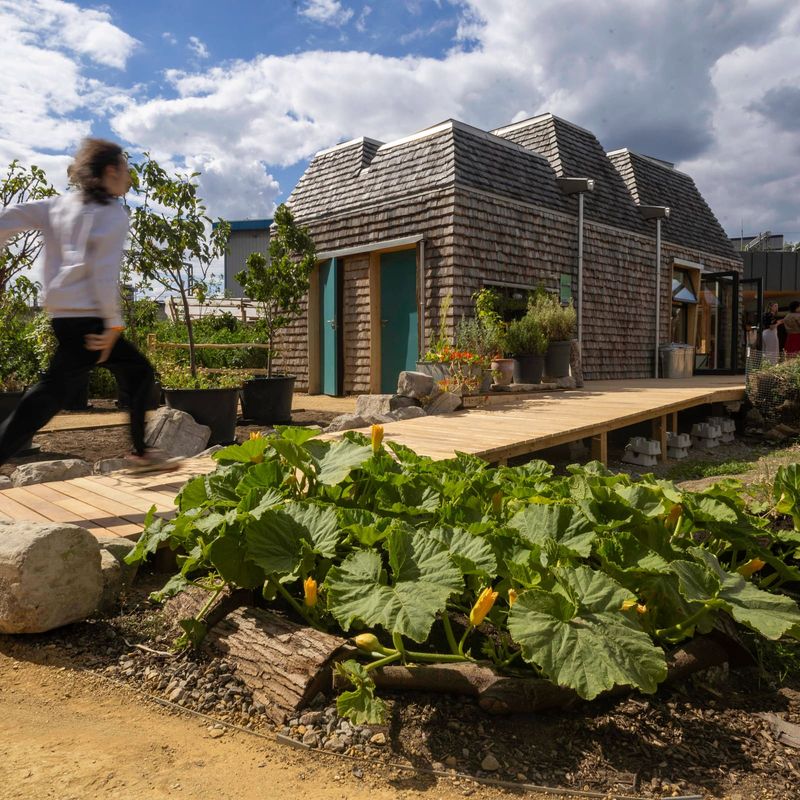

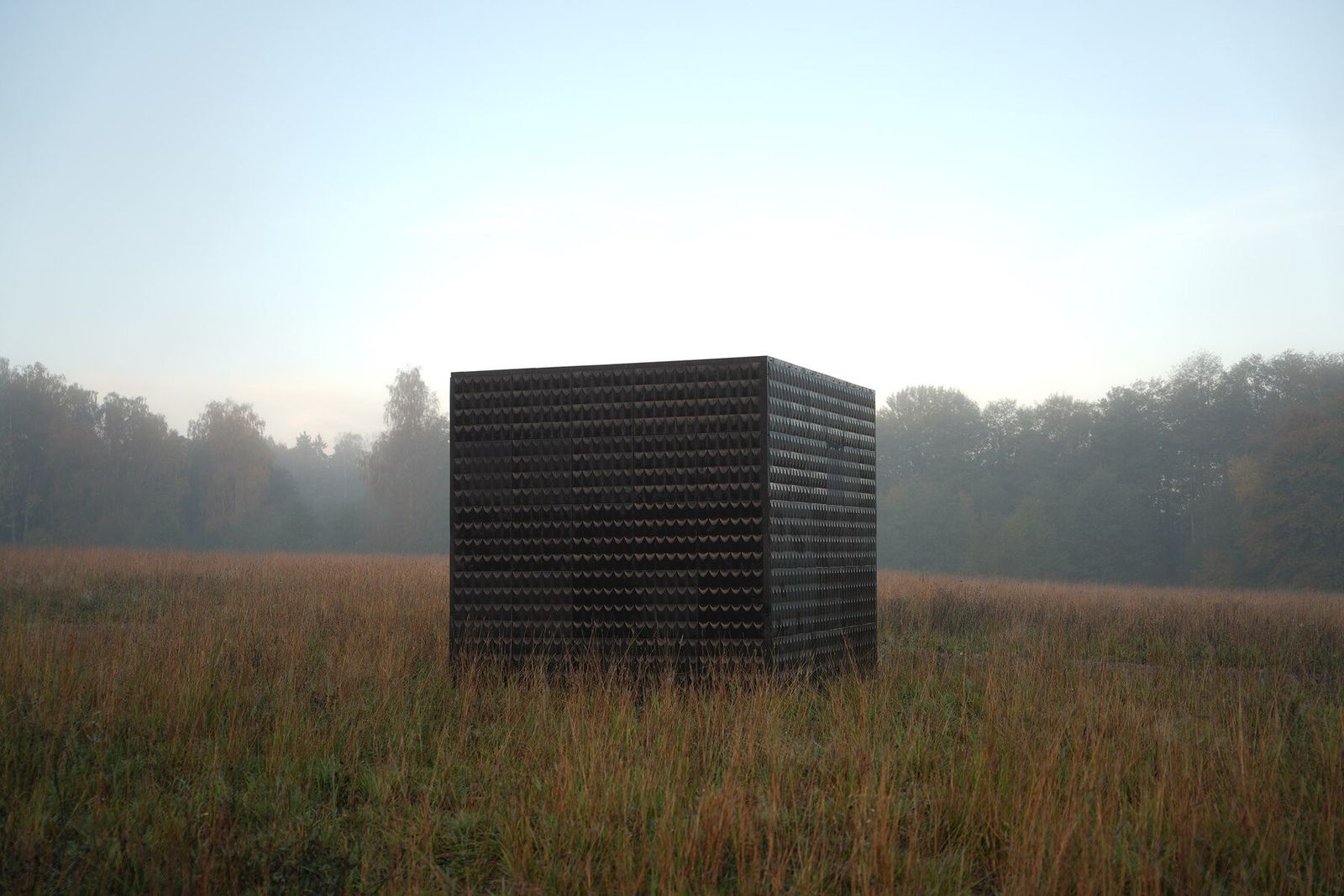
Swedish biomaterials company PaperShell and global architecture and design studio Henning Larsen have entered a Pioneer Partnership to explore and test architectural applications for PaperShell's biogenic material, with façades as the first area of work. The partners aim to bring low-carbon solutions from prototype stage into real building projects.
PaperShell combines cellulose fibres with a biogenic binder and is designed to replace more carbon-intensive conventional materials across a range of applications. The partnership will identify potential architectural applications and test them through selected pilot projects. Henning Larsen will contribute architectural design expertise, including project-specific requirements for detailing, aesthetics and integration, to help move the material from promising technology towards repeatable, scalable use in buildings.
“Henning Larsen is exactly the kind of partner we want alongside us as we develop the next generation of applications for PaperShell. Pioneer Partners are not simply customers – they work with us early, bring real-world expertise and help demonstrate what becomes possible when biogenic materials are introduced into new areas of the built environment,” says Johan Ullbro, CCO at PaperShell.
Why façades first
Façades will be the first testing ground, as the partners see them as a particularly promising area of development. Exterior building materials must meet demanding requirements for durability, weather resistance, fire performance, detailing and appearance. Biogenic alternatives that meet these requirements could extend the role of renewable materials into parts of buildings still dominated by carbon-intensive conventional materials. The partners will assess potential façade applications through selected pilot projects.

“At Henning Larsen, we have worked with biogenic and low-carbon materials for many years. What makes PaperShell particularly interesting is its potential to replace some of the more carbon-intensive materials used in architecture. Few biogenic materials can withstand wind and weather without additional treatment, making PaperShell particularly promising for exterior applications. Through this partnership, we can help translate material innovation into credible architectural applications and bring biogenic solutions closer to wider adoption,” says Katrine Juul, Lead Sustainability Architect, Henning Larsen.
Part of the Pioneer Partnership programme
The collaboration is part of PaperShell's Pioneer Partnership programme, which also includes car brand Polestar and Italian design brand Arper. The programme is a key part of the company's EU Innovation Fund-supported expansion of industrial production in Sweden. It brings together selected organisations across architecture, construction, real estate and industry to explore new applications, test them in real-world projects and inform their potential future use.
The partnership now moves into a first phase of application development and testing. The work will focus on translating the material's technical properties into architectural solutions that can be tested, documented and ultimately applied at building scale.

About Henning Larsen
Founded in 1959 by Danish architect Henning Larsen, the studio works across architecture, landscape, urban design and interiors. It has more than 500 employees in studios in eight countries.
Source: Henning Larsen press release, “Henning Larsen and PaperShell join forces to accelerate the adoption of next-generation biogenic building materials”
Save this story. A free account keeps your reading list and the 07:00 email in one place.
CREATE FREE ACCOUNT →SIGN IN