Boutique hotels today are not merely shelters for travelers; they are cultural gateways. Their walls, courtyards, and lobbies tell stories, weaving together threads of history, craft, and imagination. When we began shaping the identity of our own boutique property, the central question was clear: how do we create a space that feels authentically of its place? For us, the answer came from looking not to trend forecasts or glossy design magazines, but to the intangible heritage of local legends - those stories whispered across generations that embody the soul of the land.
The Power of Place-based Storytelling
Architecture is never neutral. A wall can divide or invite, a roofline can dominate or harmonize, and a courtyard can either erase or reveal history. When architects ignore context, buildings become anonymous, lacking resonance with their surroundings. But when design is rooted in narrative - particularly in folklore - it acquires a timeless quality, a sense of inevitability.
Our boutique hotel, for example, draws inspiration from the legend of a river goddess believed to guard the valley where the property now stands. This myth guided both spatial planning and material selection: the building’s curving façades echo the flow of water, interiors are animated by light patterns that mimic rippling currents, and the central courtyard was conceived as a symbolic "riverbed," complete with reflective pools. Guests do not merely check into a hotel - they step into a living story.
Global Inspirations: Legends Made Tangible
We are not alone in this approach. Around the world, some of the most celebrated boutique hotels have tapped into local legends to create memorable spaces.
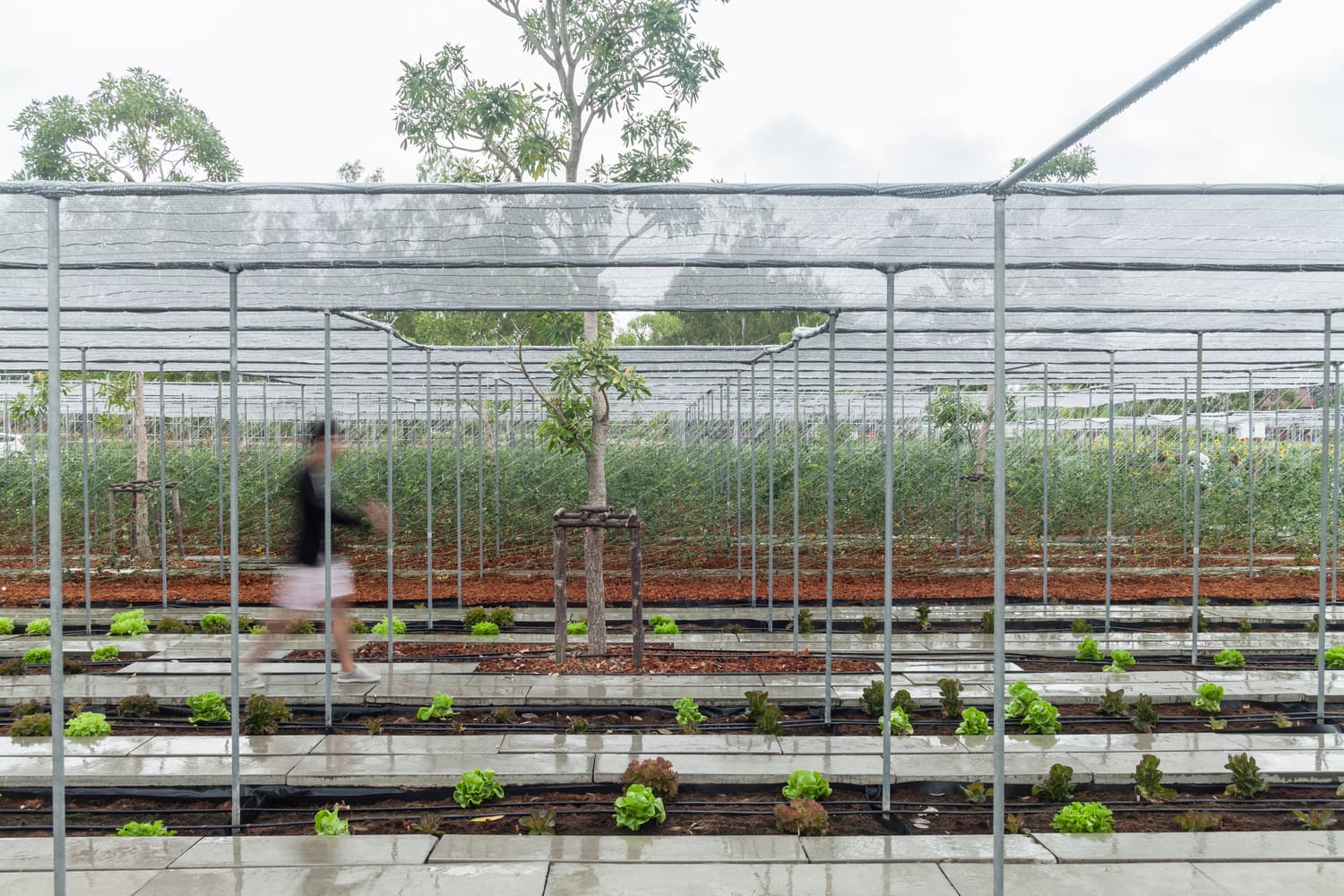
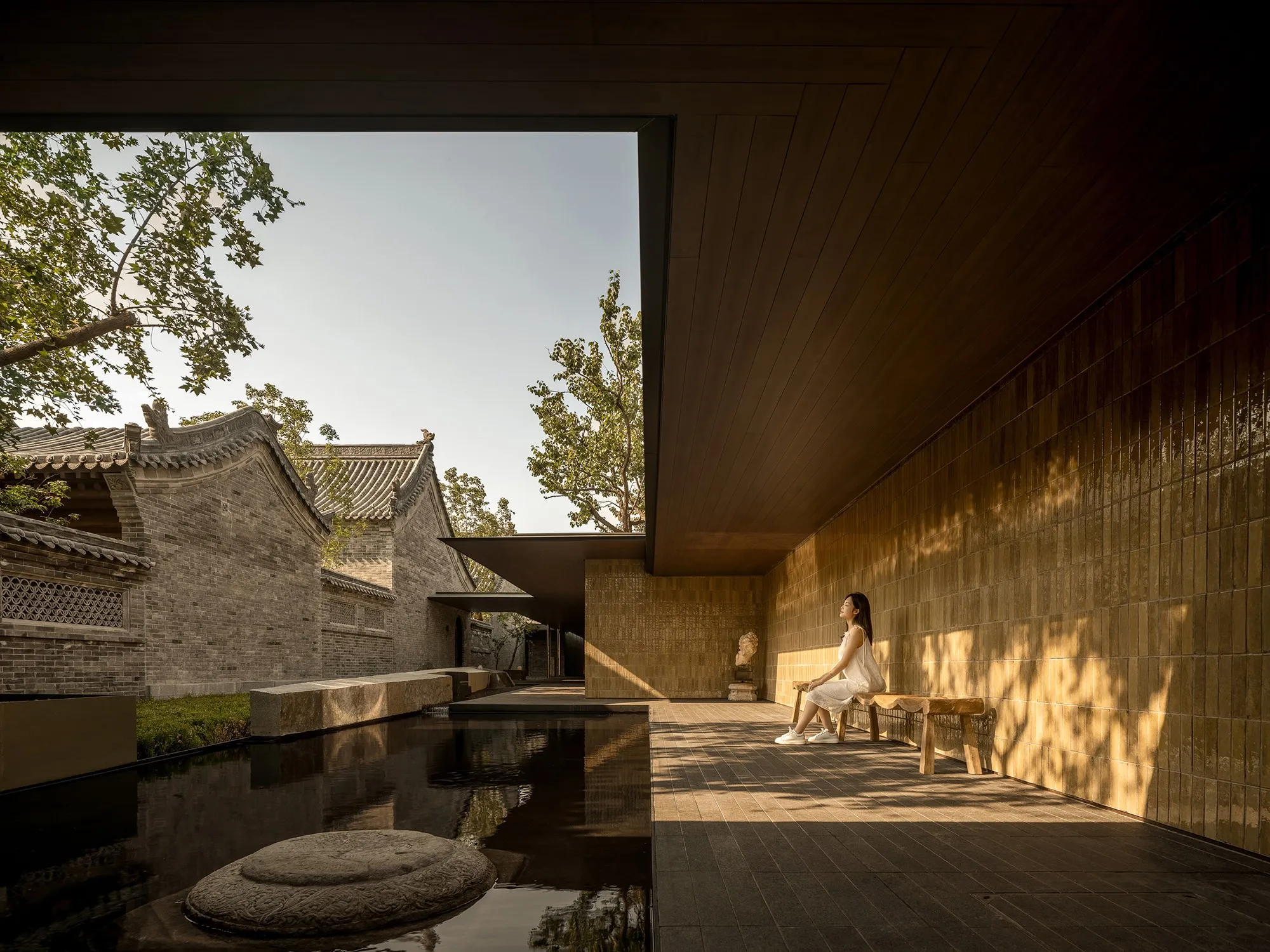
Alila Yangshuo, China
Set in a former sugar mill against the dramatic karst mountains of Guilin, this hotel pays homage to local myths of mountain spirits and river gods. The adaptive reuse of industrial structures, paired with vernacular stonework, grounds the hotel in both cultural memory and ecological respect.

Adaptive reuse of a sugar mill echoes the myths of river gods and mountain spirits, blending heritage with contemporary luxury
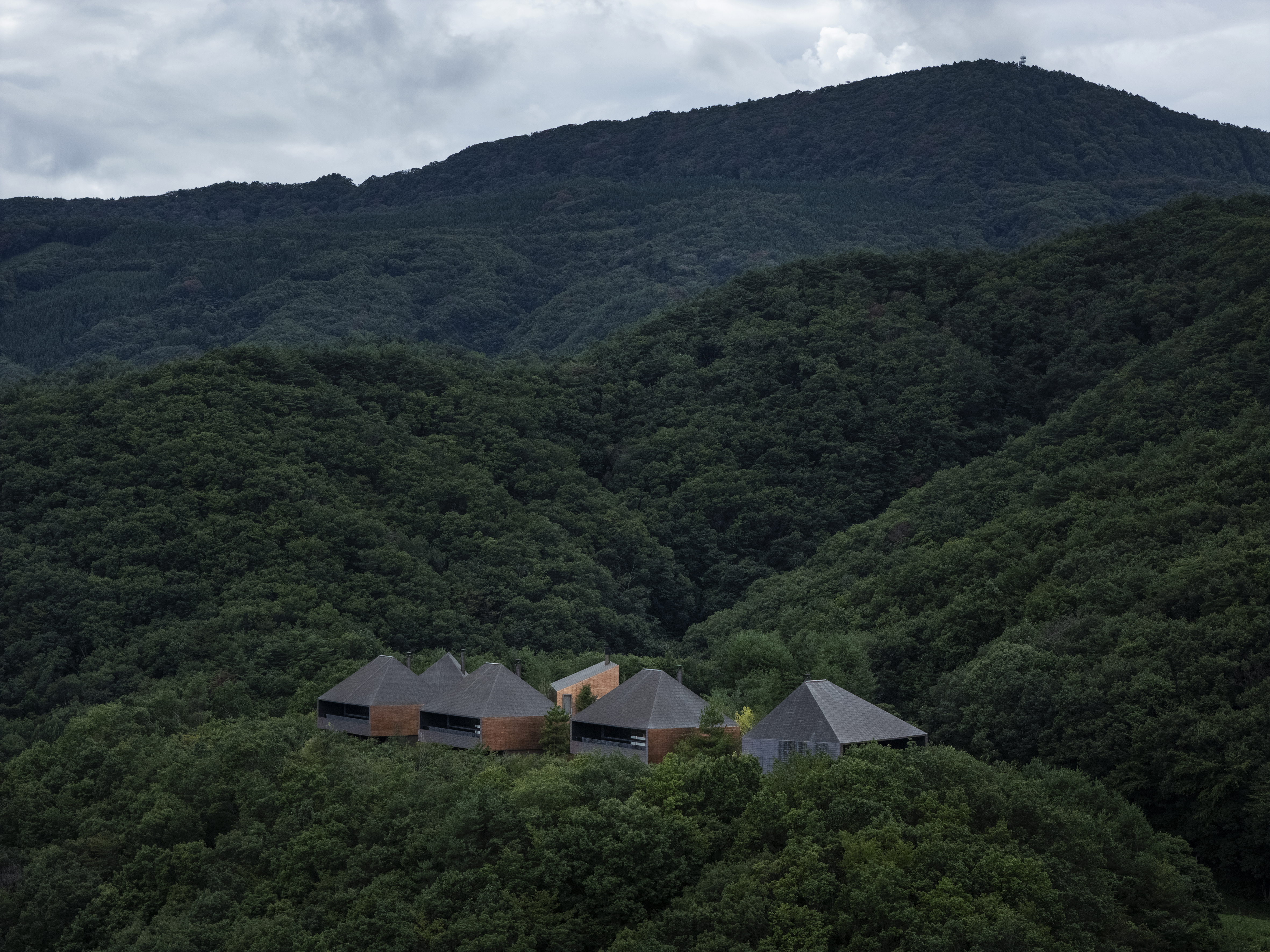
Keemala, Phuket, Thailand
Inspired by the ancient tales of four fictional clans, the resort’s villas are shaped like nests, pods, and tented forms. Each cluster embodies a narrative of community, craftsmanship, and spirituality, turning accommodation into an immersive cultural fable.

Nest-like villas embody ancient clan legends, turning storytelling into immersive architectural form
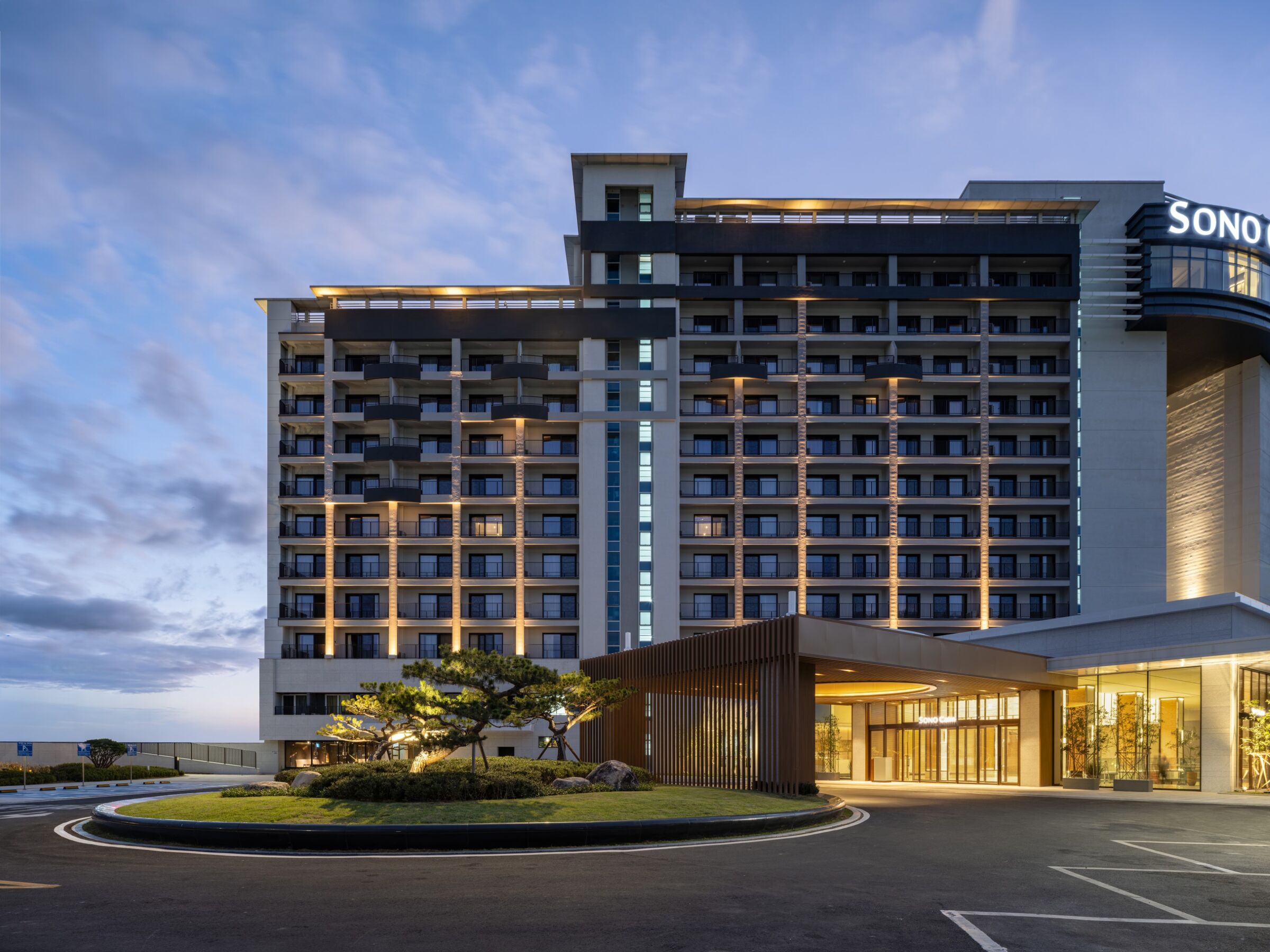
The Ryse Hotel, Seoul, South Korea
While not based on a single legend, Ryse channels the mythos of Hongdae’s countercultural identity. Its interiors showcase local artists, musicians, and subcultures, creating a living narrative of Seoul’s creative spirit.

A living narrative of Hongdae’s creative spirit, where local art and subculture shape the hotel’s identity
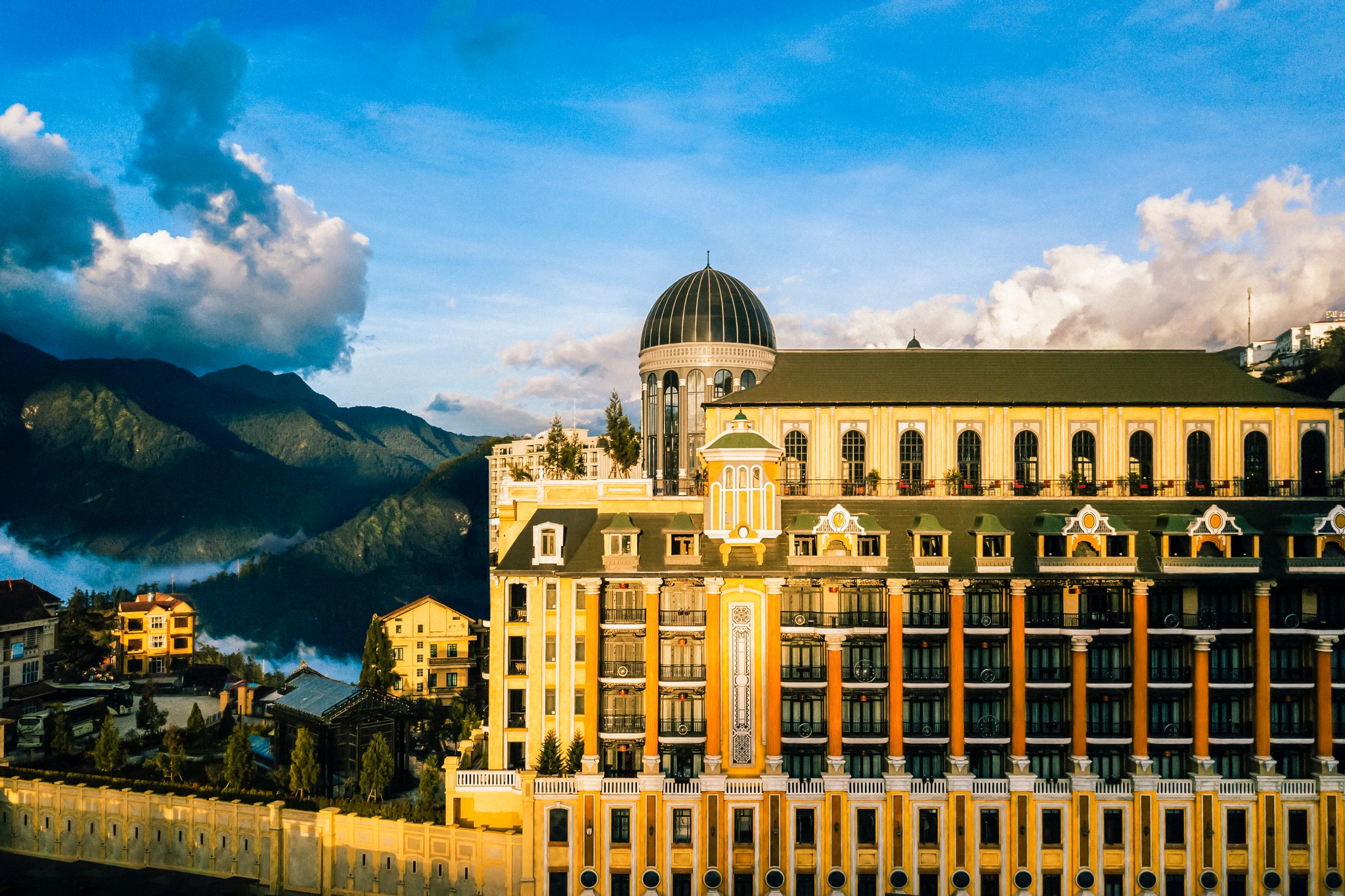
Hotel de la Coupole, Sa Pa, Vietnam
Bill Bensley’s Hotel de la Coupole fuses French haute couture with the cultural motifs of Sa Pa’s H’Mong tribes. Bold interiors reference fashion and colonial heritage, while patterns and details echo local textiles and crafts. The result is both theatrical and rooted, offering guests a cultural narrative rather than just a luxury stay.

Hotel de la Coupole reimagines H’Mong traditions through couture-inspired design and bold interiors
These examples show that when local legends, histories, or archetypes are embedded in design, boutique hotels become more than destinations. They become cultural artifacts in their own right.
Balancing Authenticity and Contemporary Needs
The danger in using folklore is slipping into caricature or kitsch. Legends can inspire, but they must be interpreted thoughtfully. For our project, this meant engaging directly with local artisans, elders, and cultural historians. We avoided literal motifs and instead reimagined traditional elements for modern use: ceramic tiles that referenced river waves but with a contemporary glaze, timber screens inspired by ancient patterns but fabricated with sustainable techniques.
This balance ensures that cultural identity does not remain frozen in time but evolves gracefully. Travelers expect comfort, technology, and wellness - all of which can coexist with cultural storytelling when integrated with sensitivity.
Closing Reflection
Our boutique hotel is not just a building - it is a narrative landscape. Every curve, courtyard, and crafted detail is a reminder that architecture can act as a vessel of memory. Legends, when woven into design, become more than stories of the past. They evolve into living experiences for today’s travelers and tomorrow’s communities.
In a world where globalization threatens to flatten distinctions, embedding local legends into architecture is not just creative - it is essential. For guests, it is an invitation to belong. For designers, it is a call to responsibility. For culture itself, it is a way to endure.
Save this story. A free account keeps your reading list and the 07:00 email in one place.
CREATE FREE ACCOUNT →SIGN IN