
When Marina Bay Sands (MBS) opened in 2010, it was not just another hotel complex - it became an instant symbol of Singapore. Designed by Israeli-Canadian architect Moshe Safdie, the structure embodies architectural ambition, national storytelling, and branding genius. More than a resort, it is a theory in practice on how architecture can serve both commerce and nationhood.
Moshe Safdie’s Vision: The Megastructure as Urban Connector
Safdie, best known for Habitat ’67 in Montreal, has long theorized about architecture as a form of “megascale urbanism” - large integrated projects that combine housing, commerce, culture, and public space. Marina Bay Sands exemplifies this idea.
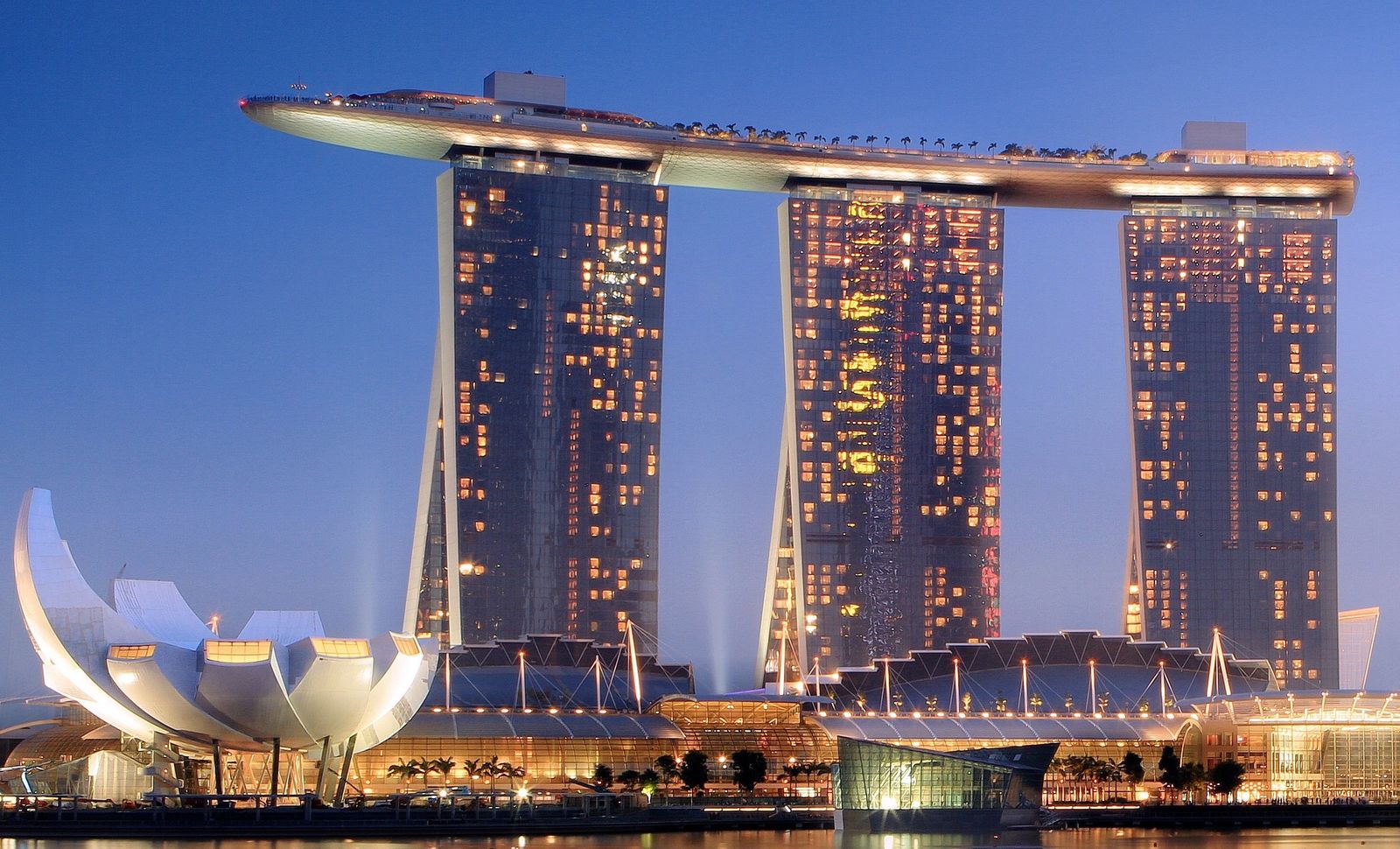
+ Three Towers + SkyPark: The iconic silhouette - three hotel towers joined by a boat-like SkyPark - serves both as a landmark and functional program (pool, gardens, public observatory). Safdie described it as “a new urban street in the sky,” reconnecting architecture with the city below.
+ Integration of Public Realms: Unlike conventional hotels, MBS includes the ArtScience Museum, theaters, convention space, and public promenades. In Safdie’s theory, architecture should not isolate but integrate public life.

Architectural Theory in Practice
Postmodern Iconography
Marina Bay Sands is a symbol-first design. Like the Sydney Opera House, its shape is instantly recognizable - a core principle of postmodern architectural icon-making. The three-tower composition and SkyPark deliberately give Singapore a new “postcard image.”
Megastructure Concept
Architectural theorists of the 1960s (e.g., Fumihiko Maki, Kenzo Tange) wrote about megastructures - vast, multifunctional complexes designed to symbolize modernity. Safdie’s MBS is one of the 21st century’s most complete realizations of this concept, where luxury, culture, and civic life coexist.
Experiential Design
The infinity pool atop the SkyPark embodies the experiential turn in architecture: visitors do not just look at the building, they experience it through views, sensations, and spectacle. This aligns with Juhani Pallasmaa’s theories of “multi-sensory architecture,” where touch, sight, and movement matter as much as form.
Nation Branding Through Architecture
Marina Bay Sands was conceived in collaboration with Singapore’s Urban Redevelopment Authority to anchor Marina Bay as a global destination. It illustrates the “Bilbao Effect” - architecture as economic engine - but on a national scale. The design was intended to complement Singapore’s brand as efficient, futuristic, and aspirational.

Branding & Marketing Perspectives
From Building to Brand
+ The MBS logo and visual identity, redesigned by Pentagram in 2024, reflect “refined modern luxury.” Typography and motifs reference both Singaporean culture and global cosmopolitanism. Branding translated Safdie’s vision into a coherent graphic language.
+ Campaigns like “Above Beyond” (2024) elevated MBS from a hotel to a cultural icon, reinforcing its symbolic weight within Singapore’s national identity.
Nation Branding Synergy
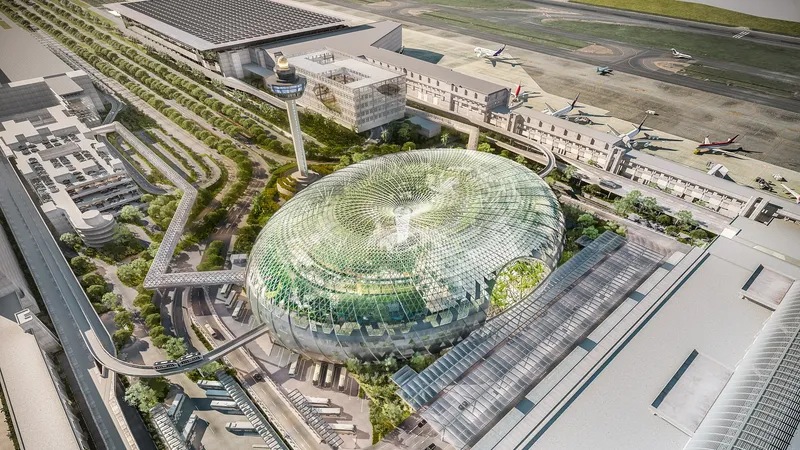
Singapore has long used architecture as national brand strategy: Changi Airport as “gateway,” Gardens by the Bay as “green future,” and MBS as “modern luxury hub.” Together, they form what branding scholars call “icon clusters” - a constellation of architectural identities projecting a unified image to the world.
Sustainability and Symbolic Permanence
Safdie has noted that sustainability was integral: “If it is to be a national symbol, it must endure.” MBS integrates:
+ Efficient energy systems and water recycling (EarthCheck-certified).
+ Cultural sustainability through the lotus-shaped ArtScience Museum, hosting exhibitions on art, science, and climate.
+ Public engagement through annual events like i Light Marina Bay, aligning luxury with ecological awareness.
This reinforces the theory that lasting symbols are those aligned with future values - today, that means sustainability.

Design Lessons from Marina Bay Sands
The enduring success of Marina Bay Sands demonstrates a critical lesson for architects and city-makers: symbols are designed, not accidental. Safdie’s integration of spectacle, public space, and national storytelling shows that architecture at this scale must operate on multiple levels - functional, experiential, and symbolic. A building only becomes a cultural emblem when it is accessible, memorable, and tied to collective identity.
For designers, the takeaway is clear: great architecture is not just about form or function - it is about resonance. By embedding cultural narratives, experiential richness, and civic value into its DNA, Marina Bay Sands transformed from a private resort into a shared national symbol.
Closing
Fifteen years after its opening, Marina Bay Sands remains more than a luxury complex - it is a statement of what Singapore aspires to be: bold, future-oriented, and globally iconic. It stands as proof that when architectural ambition aligns with national vision and branding strategy, the result can redefine not just a skyline, but a country’s image on the world stage.
Marina Bay Sands is not simply a hotel. It is Singapore’s calling card to the world - a living lesson in how design can shape identity, economy, and imagination all at once.
Save this story. A free account keeps your reading list and the 07:00 email in one place.
CREATE FREE ACCOUNT →SIGN IN