
Stepping into Changi Airport, there is an immediate sense that this is not a place designed merely for passing through. It feels closer to a civic space, a botanical garden, or even a lifestyle destination - one that happens to connect flights.
What sets Changi apart is not scale alone, but intention. Many airports impress through spectacle; Changi impresses through care. Every detail suggests a question was asked early on: How does a traveler feel here, hour after hour?
Architecture That Prioritizes the Human Experience
At Changi, architecture is used as a psychological tool. High ceilings, generous circulation spaces, and visual connections between levels reduce stress and disorientation. Gardens, such as the Butterfly Garden or the indoor forest at Jewel, are not decorative afterthoughts, but spatial anchors. Research in environmental psychology consistently shows that access to nature lowers cortisol levels, and Changi integrates this insight at an infrastructural scale.
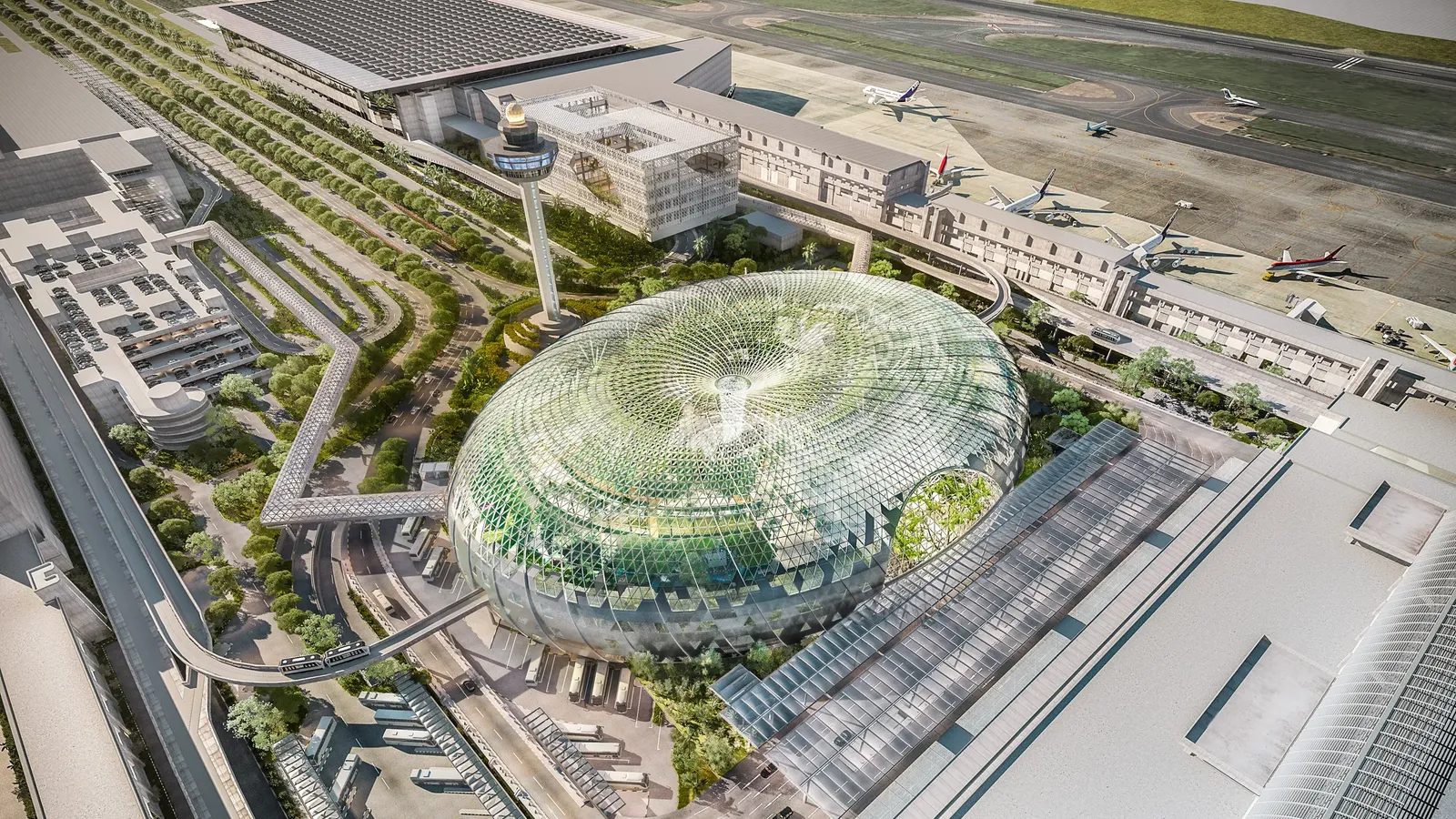
Jewel Changi Airport exemplifies this approach. The Rain Vortex, the world’s tallest indoor waterfall, is not just a spectacle - it is a wayfinding device, a social condenser, and an emotional landmark all at once. Travelers instinctively gather, pause, and orient themselves around it, turning waiting time into meaningful time.


Retail, Leisure, and Culture - Without the Pressure to Buy
Unlike many airports where retail feels transactional, Changi’s commercial spaces feel optional. The mix includes global brands, local Singaporean food culture, exhibitions, cinemas, and even a rooftop pool. The key difference lies in intent: these amenities are designed for enjoyment first, revenue second.
This strategy aligns with experiential placemaking principles more commonly seen in urban mixed-use developments. By allowing travelers to linger without obligation, Changi builds emotional loyalty rather than simply capturing footfall.


Operational Excellence as Invisible Design
What truly elevates Changi is how seamlessly operations are embedded into the experience. Automated check-in, efficient baggage handling, and consistently short transfer times remove friction without drawing attention to themselves. Good airport design, after all, is often about what travelers do not notice.
Changi regularly ranks at the top of global airport awards not because of one iconic feature, but because every system - architectural, digital, and logistical - works in harmony. This holistic coordination is rare and difficult to replicate.

More Than Transit, a Preview of the City
Perhaps the most compelling reason Changi feels like a destination is that it reflects Singapore itself: orderly yet imaginative, efficient yet humane, global yet deeply local. For many visitors, the airport becomes their first emotional impression of the country, and for departing travelers, a soft landing before leaving it behind.
In redefining what an airport can be, Changi demonstrates a powerful lesson for architects and planners alike: when infrastructure is designed around people rather than throughput, even the most utilitarian spaces can become places we actually want to be.
Save this story. A free account keeps your reading list and the 07:00 email in one place.
CREATE FREE ACCOUNT →SIGN IN