The Cartography of Ambition
When a nation invests billions into reshaping its built environment, who decides what gets remembered? Saudi Arabia has spent the past seven years under Vision 2030 commissioning museums, hotels, cultural districts, and entire cities from some of the world's most recognizable architectural practices. Yet for all that construction activity, there has been no unified reference point, no professionally vetted index of what has actually been built, opened, and is worth visiting. That changes this October.
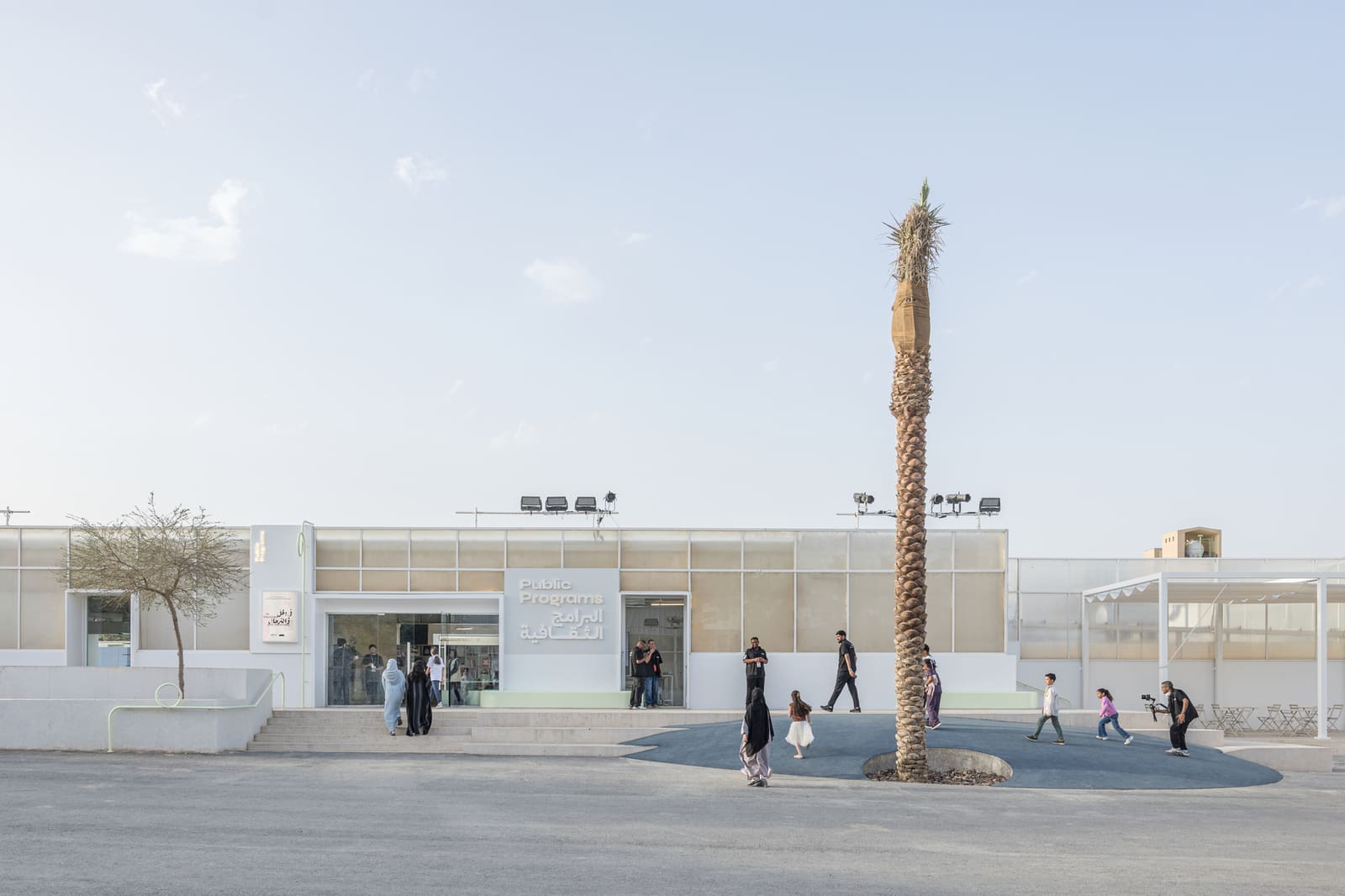
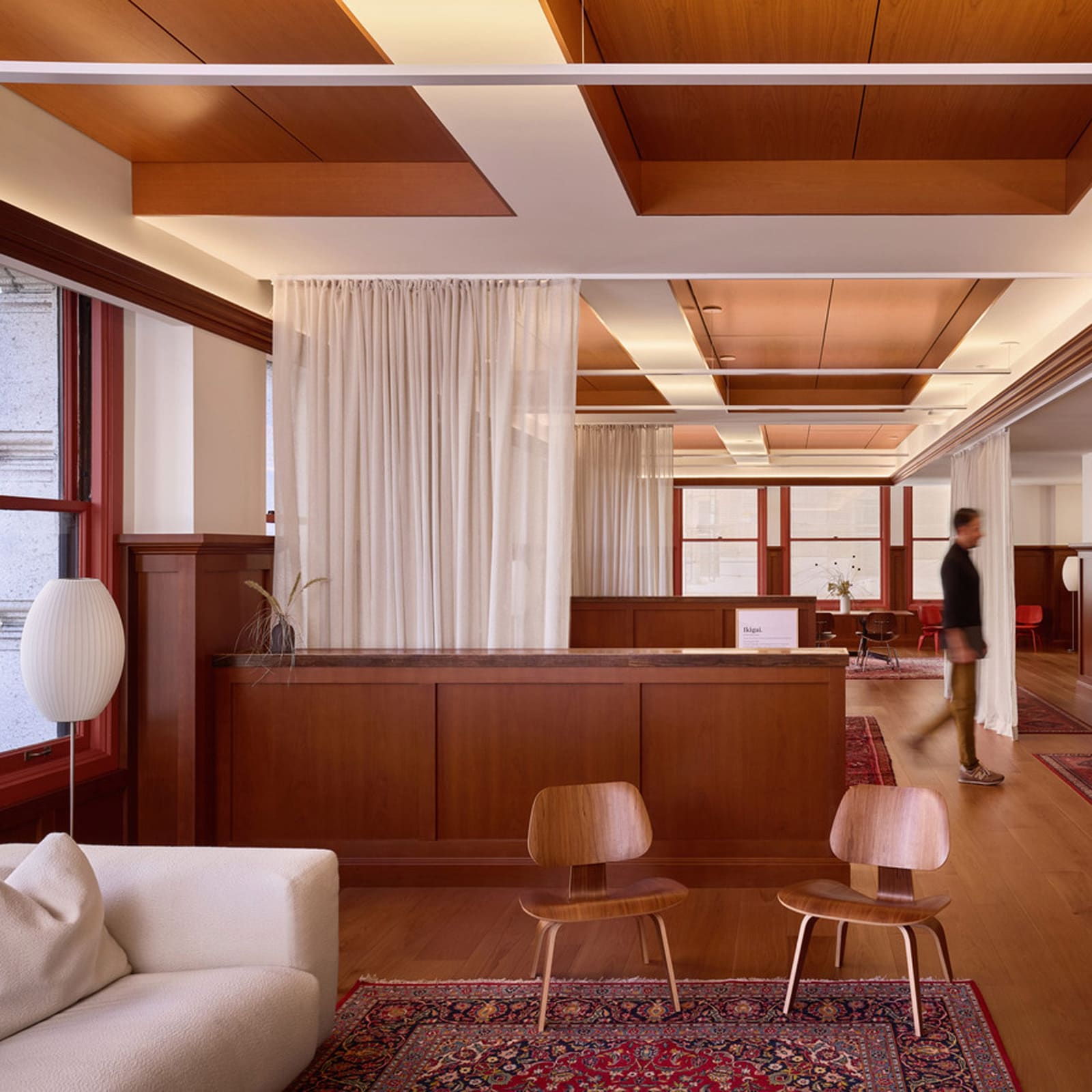
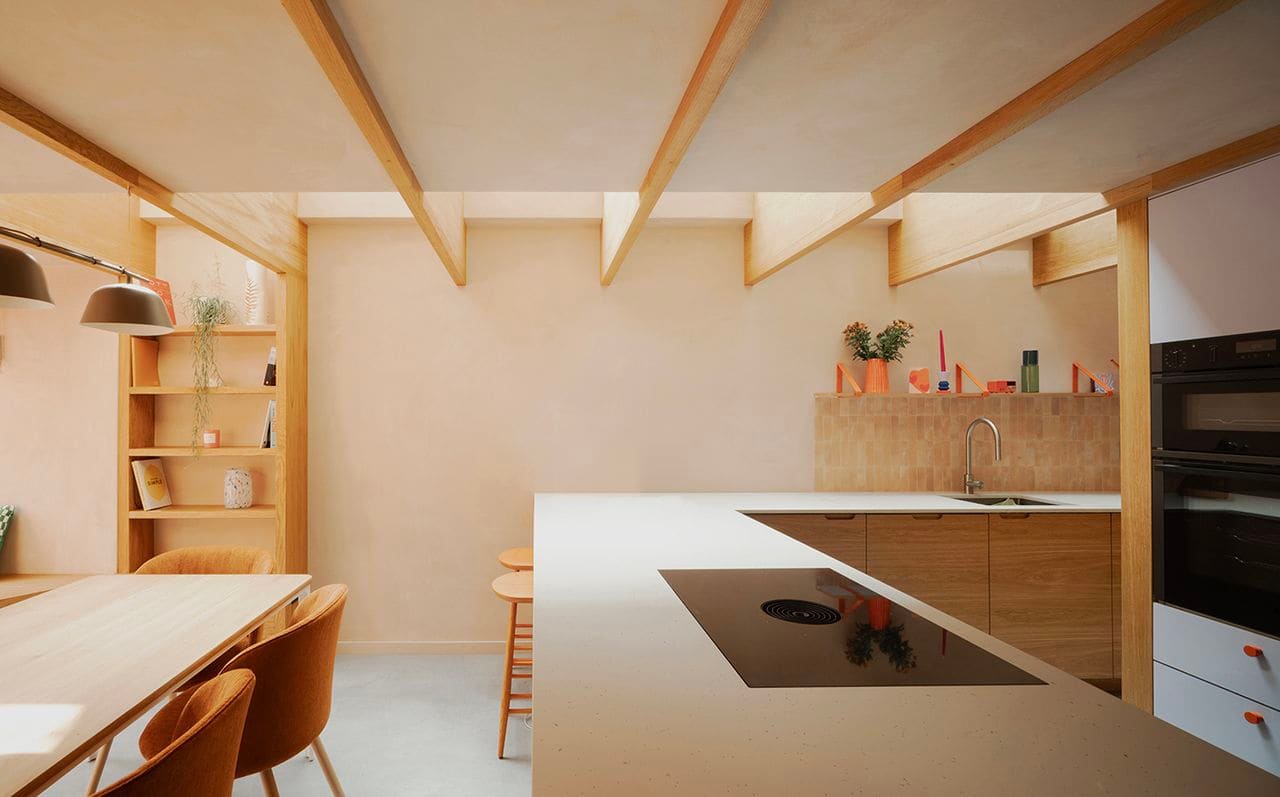
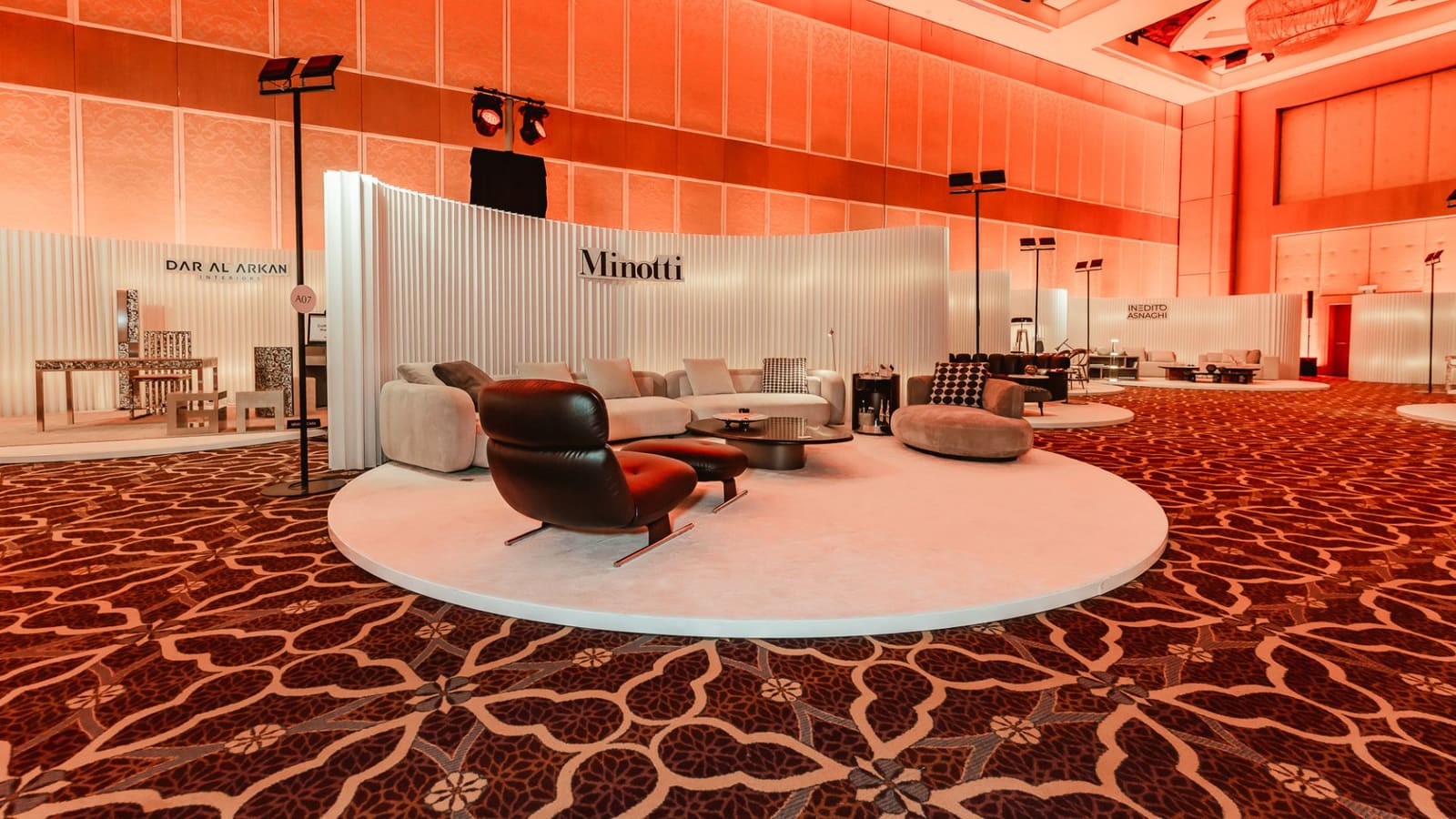
ARTDOM Riyadh returns for its second edition on October 20-21, bringing together more than 6,000 professionals from architecture, interior design, real estate, and hospitality. But the most significant development is not the attendance figure or the expanded congress programme. It is the launch of the ARTDOM Design Map Saudi Arabia, a curated inventory of the Kingdom's most notable public spaces, developed in collaboration with ARCHINET, an international architectural community. Over several months, an international panel of experts will evaluate projects across six categories: restaurants, hotels, museums and art galleries, wellness and spa destinations, landmark architecture, and furniture showrooms. Winners will be announced during the event itself.
At World Archi Design, we have been tracking how nations use design infrastructure to signal geopolitical ambition. China did it with state museums and Olympic venues. The UAE did it with Pritzker-winning commissions and art fairs. Saudi Arabia is doing it with something more methodical: a map. Not a promotional brochure, but a reference document that positions the Kingdom's design output as legible, evaluable, and ready for international scrutiny.
Why a Map Matters More Than a Fair
Trade fairs and design weeks are common enough in the Gulf. What makes ARTDOM's initiative unusual is its structure. This is not a pavilion showcase where developers present renderings of future districts. It is a retroactive cataloging exercise, an attempt to impose editorial standards on a building boom that has been defined, until now, by scale rather than curation.
The categories themselves reveal priorities. Restaurants and hotels suggest a focus on hospitality as a design discipline, not just a service sector. Museums and galleries acknowledge the Kingdom's ongoing investment in cultural infrastructure, from the forthcoming Zaha Hadid-designed King Abdullah Financial District metro stations to the renovated Diriyah Gate development. Wellness and spa destinations reflect the growing importance of lifestyle amenities in Saudi real estate, particularly as the government pushes tourism as a non-oil revenue stream. Furniture showrooms, meanwhile, hint at the localization of the design supply chain, a less visible but economically significant shift as international brands open regional flagships and local manufacturers scale up.
The involvement of ARCHINET adds a layer of professional legitimacy. This is not a government ministry selecting projects based on diplomatic considerations, nor a private promoter picking exhibitors based on booth fees. It is an international panel applying consistent evaluation criteria across a national building stock. The result will be the first professionally curated design map of Saudi Arabia, a document that functions as both archive and argument.
A Congress Built Around Implementation, Not Vision
The two-day business congress at the heart of ARTDOM Riyadh focuses on the mechanics of transformation rather than its rhetoric. Sessions are organized around the implementation of Vision 2030, with representatives from OMRANIA by Egis discussing emerging market demands and new opportunities for international professionals. Additional panels will examine hospitality design, premium residential interiors, and the creation of next-generation public spaces.
One session, titled Building the Bridges, will focus on strengthening cooperation between Saudi Arabia and Russia in architecture, design, art, and trade. The geopolitical subtext is obvious, but the professional implications are more nuanced. Russian architectural practices have long experience with large-scale state-led construction projects, and Saudi Arabia is currently managing one of the largest construction pipelines in the world. The session brings together professional organizations, business leaders, and industry experts from both countries, suggesting that the Kingdom is diversifying its roster of international partners beyond the usual suspects in Europe and North America.
The congress format itself is designed for practitioners, not press. Expect leaders of architectural practices, development companies, hospitality operators, designers, government representatives, and international brands in the room. The emphasis is on quality standards, procurement processes, and the translation of policy into built form. This is the unglamorous side of nation-building, the part that happens after the headline-grabbing commissions are announced.
An Expanding Network of Influence
ARTDOM has positioned itself since its first edition as a platform for leading voices in architecture and design. Past editions brought in an ambassador network that included Giulio Cappellini, Rossana Orlandi, and Draga & Aurel, alongside regional figures such as Hany Saad, Arwa Alneami, Iman Abuljadayel, and Lissa Carmona. For 2026, that community is expanding further, with architects, designers, gallery directors, and researchers from Saudi Arabia and Europe joining the network.
This is not incidental. The ambassador model serves a dual function: it lends curatorial credibility to the platform, and it creates a professional network that can facilitate collaboration, procurement, and knowledge transfer. For Saudi Arabia, which is simultaneously importing design expertise and attempting to build a domestic design industry, that network is strategic infrastructure.
The choice of ambassadors is telling. Cappellini and Orlandi are not just designers but gallerists and tastemakers, figures who have shaped the commercial side of Italian design for decades. Their presence signals that ARTDOM is interested in the business of design, not just its aesthetics. The regional figures, meanwhile, represent a generation of Saudi and Gulf-based designers who are navigating the space between local vernacular and international design language, a negotiation that will define the Kingdom's architectural identity for the next decade.
What Gets Built, What Gets Mapped
The design map project raises a question that is central to any nation-building exercise: what counts as architecture? Saudi Arabia is currently constructing everything from metro systems to desert resorts, from heritage districts to speculative giga-projects. Not all of it will be completed. Not all of it will be good. The map is an editorial filter, a way of separating signal from noise.
By focusing on completed, publicly accessible projects, the map sidesteps the problem of vaporware, the renderings and masterplans that circulate in the media but never materialize. By organizing entries into categories, it imposes a taxonomy on a building stock that has been largely opportunistic. And by submitting projects to an international panel, it invites external validation, a move that suggests confidence in the quality of what has been built.
The risk, of course, is that the map becomes a promotional tool rather than a critical document. But the structure of the initiative, its emphasis on professional evaluation and its collaboration with ARCHINET, suggests an awareness of that risk. The goal is not to celebrate everything that has been built, but to identify what is worth visiting, studying, and replicating. That is a more useful ambition, and a more difficult one.
The Longer Game
ARTDOM Riyadh is not trying to compete with Milan or Dubai as a design week destination. It is building something else: a professional infrastructure for evaluating, discussing, and improving the built environment of Saudi Arabia. The map is a tool for that infrastructure. The congress is a forum for it. The ambassador network is a mechanism for sustaining it.
For architects and designers working in the Gulf, ARTDOM represents a shift in how Saudi Arabia wants to be read internationally. Not as a client with deep pockets and vague briefs, but as a market with standards, institutions, and a design culture that can be engaged on professional terms. Whether that culture is genuinely emergent or carefully constructed is a question that the next decade will answer. For now, the map is being drawn, and the categories are being defined. That is not a small thing.
Save this story. A free account keeps your reading list and the 07:00 email in one place.
CREATE FREE ACCOUNT →SIGN IN