
In contemporary architecture, the building envelope is no longer seen as a static boundary between inside and outside. With the rise of smart glass technology - electrochromic, thermochromic, and other dynamic glazing systems - façades are evolving into responsive layers that balance light, energy, and comfort. This shift marks an important step toward sustainable and human-centered design, where performance and experience are equally prioritized.
From Static to Adaptive Envelopes
Conventional façades typically rely on blinds, shades, or coatings to mediate solar gain and glare. These methods, while effective to a point, are fundamentally passive. Smart glass, by contrast, introduces adaptivity. By altering its opacity or tint in response to daylight conditions or user control, the building skin becomes a living interface - reducing reliance on mechanical systems and creating greater environmental responsiveness.
Energy Efficiency and Climate Performance
One of the most significant advantages of dynamic glazing lies in its measurable energy impact. Studies indicate that electrochromic glass can lower cooling loads by up to 20%, translating to substantial reductions in operational carbon emissions. This aligns with the global push for net-zero buildings, where high-performance envelopes are essential. Beyond cooling, smart glass improves daylight penetration, reducing artificial lighting needs while simultaneously lowering peak energy demands.
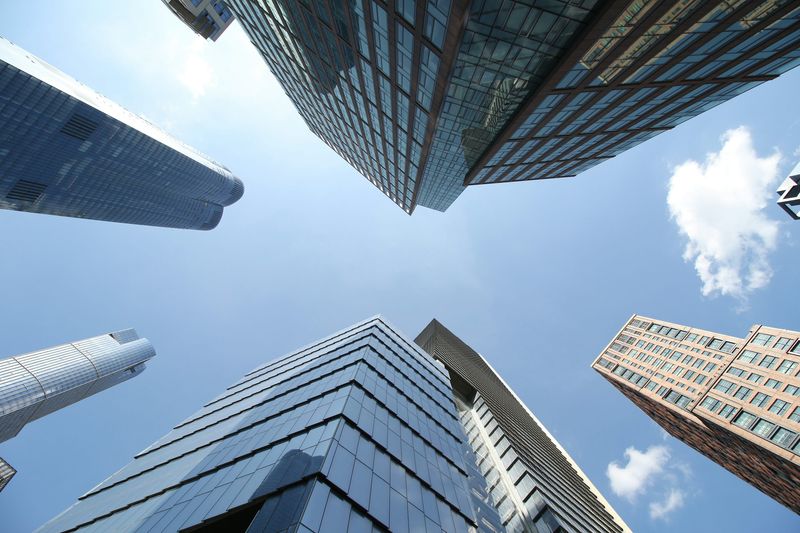
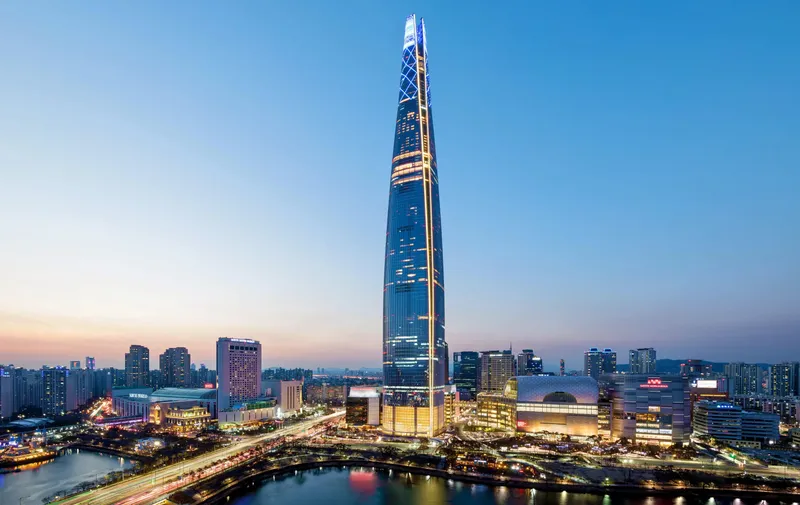
A modern high-rise with dynamic glazing, where the façade shifts throughout the day to balance light and climate
Human Experience and Well-being
While energy metrics often dominate the conversation, the implications for user comfort are equally important. Adaptive glazing maintains visual connections to the outdoors without the discomfort of glare, leading to healthier indoor environments. Research in healthcare demonstrates that access to controlled natural light supports faster patient recovery, while in workplaces it improves concentration and productivity. In residential settings, it enhances everyday living by harmonizing light, temperature, and views.
Smart glass allows uninterrupted outdoor views while maintaining visual comfort inside
Integration into Architectural Design
The use of smart glass is not limited to experimental buildings. Projects such as Salesforce Tower in San Francisco and The Edge in Amsterdam have incorporated dynamic glazing systems without compromising architectural identity. In both cases, the façades operate as discreet performance layers, reinforcing the design intent while delivering measurable efficiency. The lesson here is that technology, when well-integrated, supports rather than dictates architectural expression.
The Edge, Amsterdam: Smart glass integrates seamlessly into one of the world’s most sustainable office buildings
Salesforce Tower, San Francisco: A dynamic façade system complements energy-efficient design strategies
Toward Future-ready Façades
Looking forward, the role of smart glass is likely to expand in tandem with broader innovations in building envelopes. Integration with photovoltaic cells, advanced sensors, and AI-driven building management systems will push façades beyond passive protection toward adaptive ecosystems. This evolution represents a critical shift in architectural thinking: façades as active mediators of climate, light, and human comfort.
Conclusion
The smart glass revolution illustrates a larger trajectory in contemporary architecture - where sustainability and human experience converge through innovation. Beyond its immediate benefits of energy savings and comfort, dynamic glazing points to a future where architecture is defined less by fixed boundaries and more by adaptive performance. In this sense, the building envelope becomes not only an aesthetic statement but also a responsive system that redefines the relationship between architecture, environment, and people.
Save this story. A free account keeps your reading list and the 07:00 email in one place.
CREATE FREE ACCOUNT →SIGN IN