Abstract
Designing hotels within UNESCO World Heritage Sites requires a delicate balance between modern hospitality and historical preservation. These projects must respect authenticity, integrity, and Outstanding Universal Value (OUV) while adapting to contemporary needs. This journal examines the complexities of designing in protected contexts, with case studies from Asia and beyond. These examples highlight how adaptive reuse, discreet technology, and cultural sensitivity can transform heritage into unique luxury experiences. The study concludes with design lessons that emphasize sustainability, community engagement, and heritage stewardship.
Introduction
UNESCO World Heritage Sites are some of the most treasured cultural and natural landscapes on Earth. From ancient towns to sacred landscapes, they embody humanity’s shared history and values. Designing hotels within or near these sites poses an inherent paradox: how can we introduce modern hospitality facilities without compromising authenticity, integrity, and the outstanding universal value (OUV) that earned the site its UNESCO designation?
Heritage hotels within UNESCO contexts face intense scrutiny, but when approached thoughtfully, they can enrich cultural appreciation and promote sustainable tourism. These projects demonstrate how design can preserve, reinterpret, and revitalize heritage assets while creating immersive guest experiences that celebrate history rather than overshadow it.

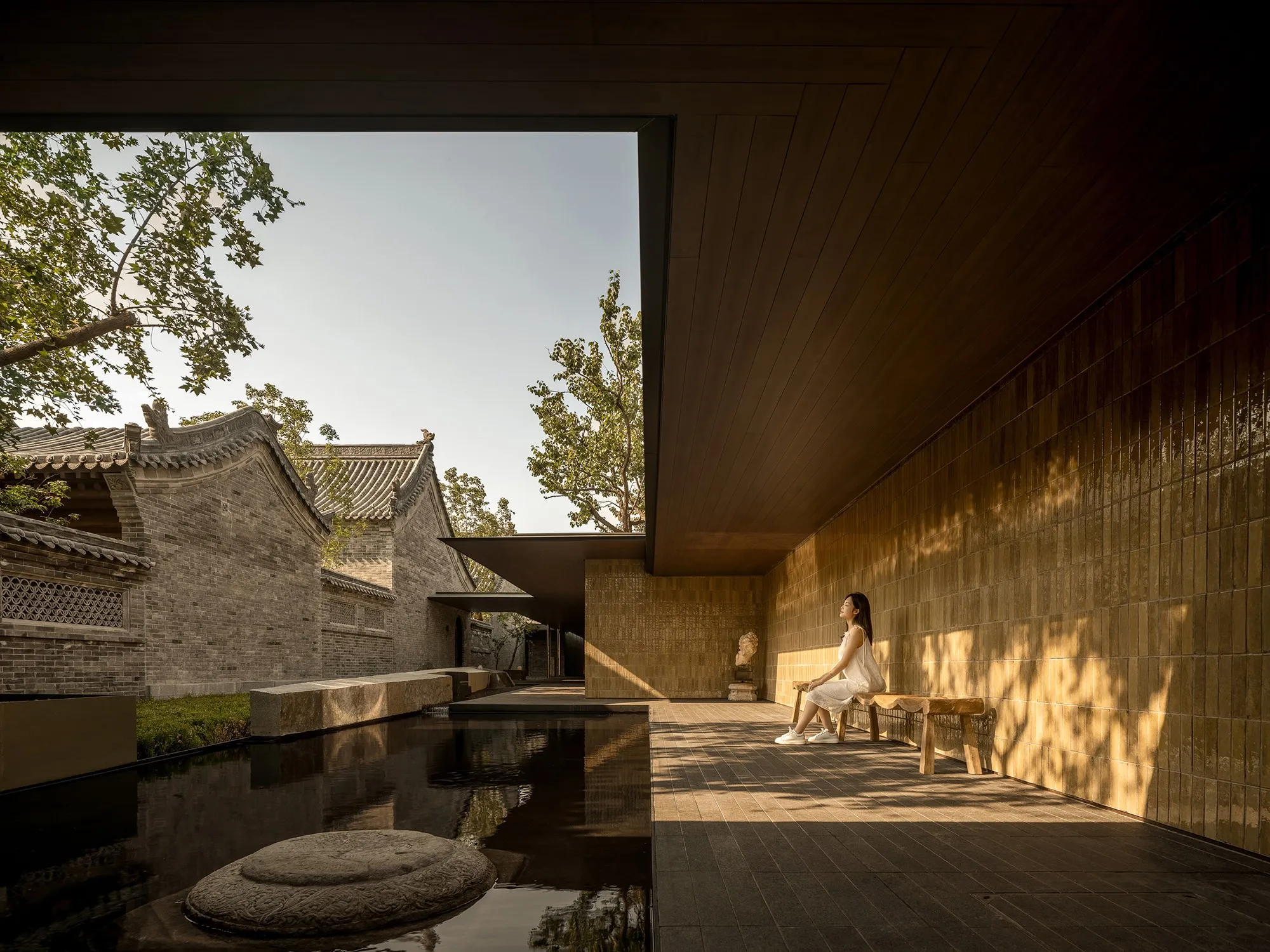
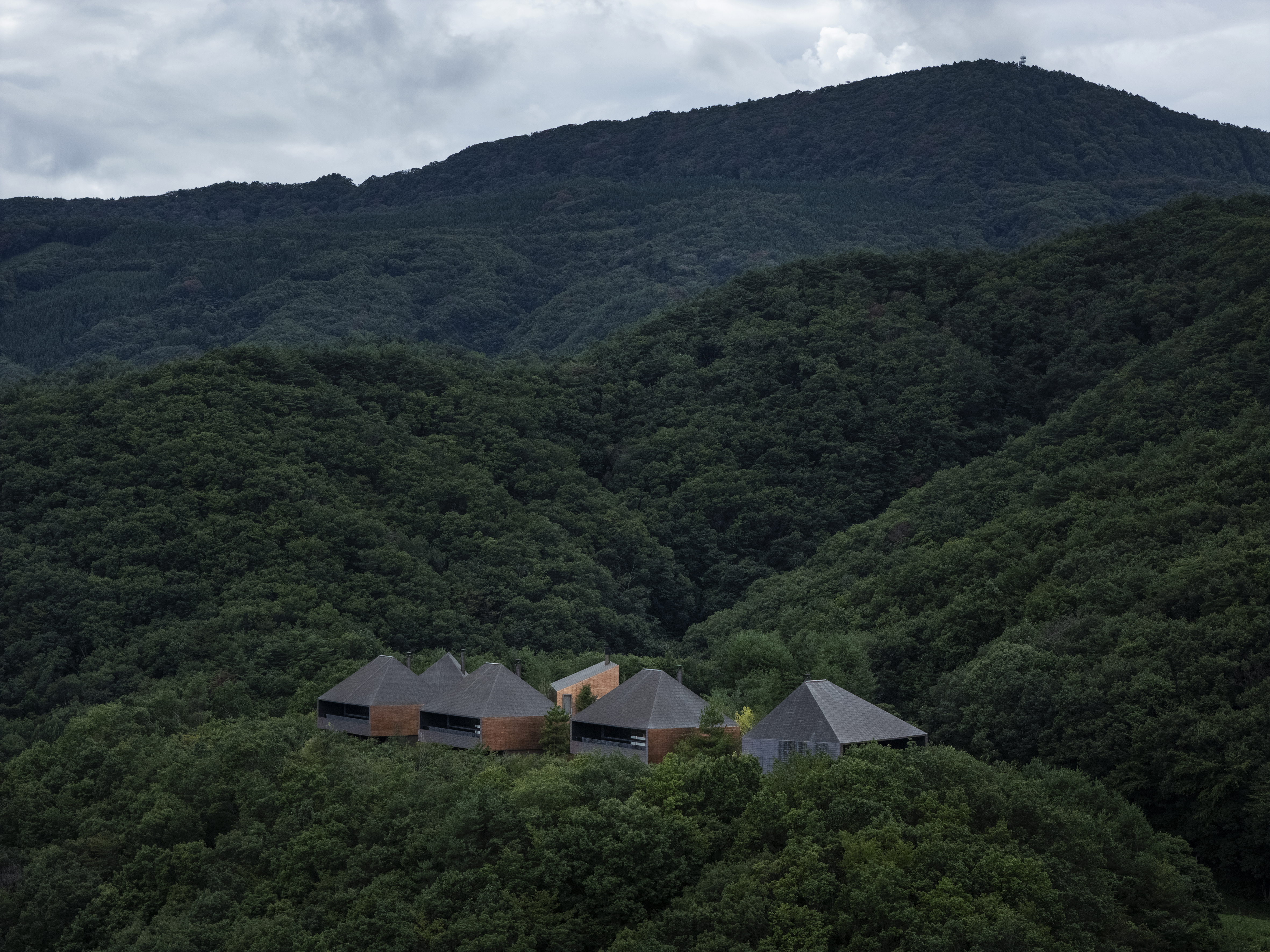
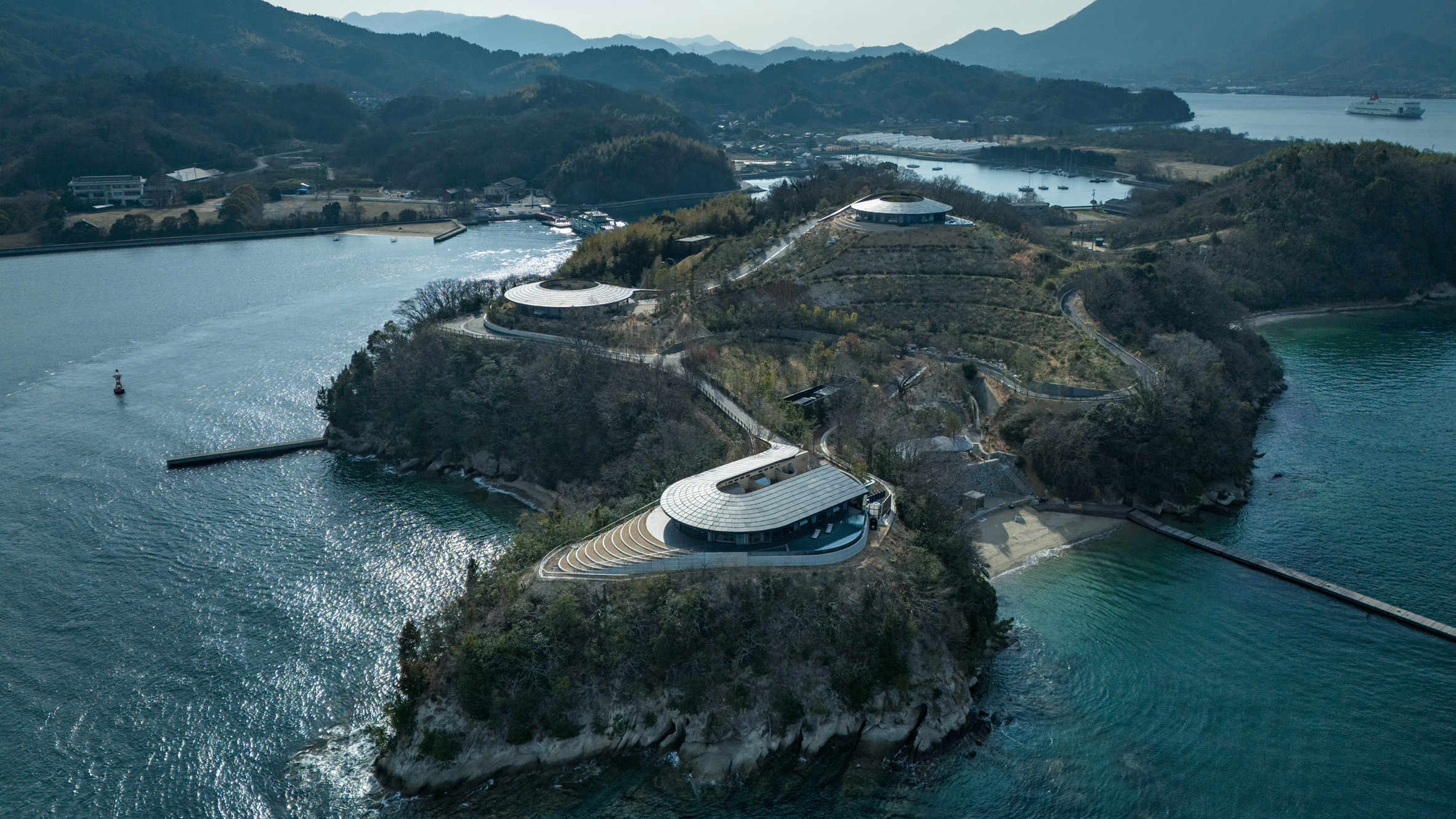
Where history meets hospitality - UNESCO Heritage Hotels preserve cultural identity while offering timeless guest experiences
UNESCO Guidelines: The Framework of Preservation
UNESCO and ICOMOS (International Council on Monuments and Sites) outline principles for intervention:
+ Authenticity of materials and form must be preserved.
+ New construction should be minimal, reversible, and clearly distinguishable from the old.
+ Tourism facilities must not disrupt key views, land use patterns, or cultural landscapes.
Hotels in these contexts, therefore, cannot be “designed from scratch.” Instead, they evolve through adaptive reuse of existing structures or low-impact interventions in heritage landscapes.
Case Studies of Successful Integration
Galle Fort Hotel, Sri Lanka
Located inside the UNESCO-listed Galle Fort, this 17th-century Dutch merchant’s house was restored into a boutique hotel. Colonial features - arches, teak floors, and courtyards - were preserved, while modern comforts were subtly inserted.
Lesson: Heritage authenticity itself becomes the luxury experience.

A colonial-era courtyard at Galle Fort Hotel - where 17th-century Dutch architecture meets contemporary boutique luxury
Anantara Hoi An, Vietnam
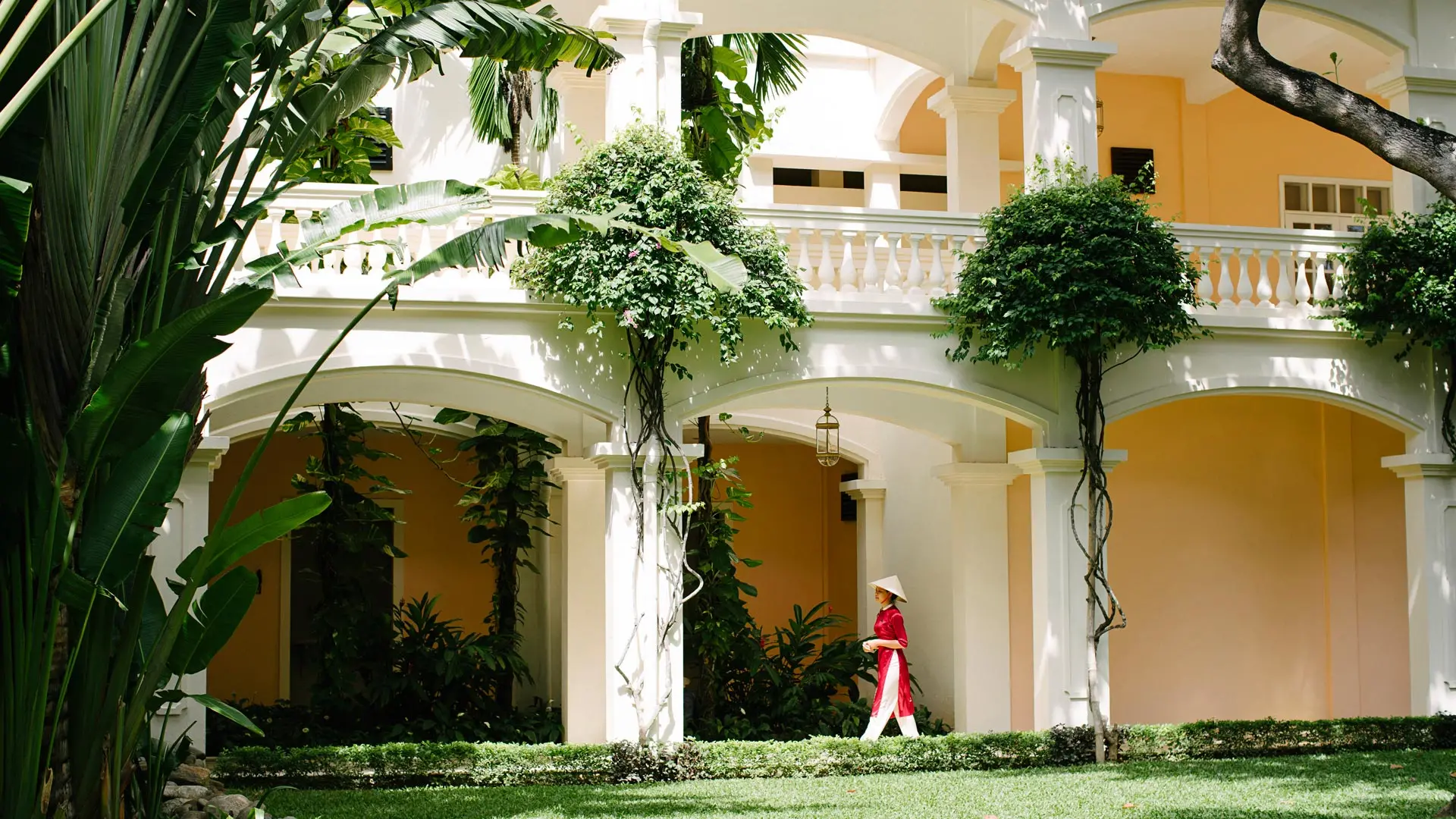
Hoi An Ancient Town, a UNESCO site, restricts heavy construction and requires consistency with local architecture. Anantara’s riverside resort uses low-rise vernacular forms, clay tiles, and garden courtyards to echo the town’s rhythm.
Lesson: Respect scale and context - design should disappear into the cultural fabric.

Low-rise riverside architecture at Anantara Hoi An mirrors the scale and harmony of the UNESCO-listed Ancient Town
Taj Falaknuma Palace, Hyderabad, India
Perched above Hyderabad, this 19th-century palace was restored by Taj Hotels with painstaking attention to chandeliers, frescoes, and Venetian mirrors. Luxury here lies in authenticity, with modern systems hidden discreetly.
Lesson: Heritage grandeur is amplified by careful restoration, not by new insertions.

Restored chandeliers and frescoes at Taj Falaknuma Palace showcase how grandeur can be preserved with modern hospitality
Cappadocia Cave Hotels, Turkey
Cappadocia’s volcanic landscape, inscribed on UNESCO’s list, features rock-cut dwellings adapted into boutique hotels. Interiors retain their stone-hewn qualities, with minimal interventions for lighting and bathrooms.
Lesson: Heritage materials themselves are the aesthetic - intervention must be invisible.

Carved volcanic stone interiors in Cappadocia demonstrate how heritage itself becomes the design aesthetic
Belmond Hotel Caruso, Ravello, Italy
Overlooking the Amalfi Coast (a UNESCO landscape), this medieval palace hotel preserves frescoed ceilings and Roman stonework while offering world-class hospitality. Its gardens and terraces reinforce the site’s cultural landscape.
Lesson: Landscape integration is as crucial as building preservation.

Terraced gardens at Belmond Caruso honor the Amalfi Coast’s cultural landscape
Design Challenges and Responses
+ Modern Comforts vs. Authentic Character: Wi-Fi, HVAC systems, and fire safety must be integrated invisibly. Concealed ducting, underfloor heating, and wireless technology allow heritage to shine without visual disruption.
+ Tourism Pressure and Over-commercialization: UNESCO warns against commodification. Projects must avoid “Disneyfication” that reduces culture to spectacle.
+ Community Engagement: Employing local artisans, using traditional crafts, and supporting neighborhood economies ensures that heritage hospitality fosters cultural continuity rather than exploitation.
+ Seismic and Structural Issues: As seen in SFMOMA’s rooftop garden or Cappadocia’s cave hotels, heritage projects often demand inventive structural solutions to reconcile modern safety codes with ancient fabric.
Design Lessons for Future Heritage Hotels
+ Adaptive Reuse as Priority: Existing heritage is the foundation; new insertions must be minimal.
+ Contextual Harmony: Respect scale, materials, and cultural rhythms.
+ Invisible Technology: Modern systems should not disturb heritage authenticity.
+ Landscape Preservation: Gardens, views, and natural settings are as significant as built forms.
+ Local Craft and Materiality: Integrating artisans strengthens both authenticity and community.
+ Narrative Experience: Hotels should serve as living museums, embedding storytelling in the guest journey.
Conclusion
Designing hotels within UNESCO World Heritage contexts is less about creating new icons and more about curating existing stories. The most successful projects - from Galle Fort to Cappadocia - understand that their role is to amplify, not compete with, heritage. By respecting UNESCO guidelines, embracing adaptive reuse, and engaging local communities, heritage hotels can become models of sustainable tourism and cultural stewardship.
In an era where heritage and hospitality increasingly intersect, these projects demonstrate that true luxury lies not in gilded opulence, but in the privilege of inhabiting history. UNESCO heritage hotels remind us that architecture is not just about shelter but about storytelling - weaving past, present, and future into spaces that resonate across generations.
Save this story. A free account keeps your reading list and the 07:00 email in one place.
CREATE FREE ACCOUNT →SIGN IN