
The Absence That Shapes a Movement
There is a particular kind of silence that settles over a city without theaters, without museums, without gathering halls. It is not the silence of contemplation but of omission, a civic gap so normalized that its presence is felt only in its absence. According to the Brazilian Institute of Geography and Statistics, fewer than three in ten Brazilian municipalities possess cultural facilities such as museums, while concert halls and theaters exist in barely a quarter of the country's cities. These are not statistics of scarcity but of systematic neglect, a cartography of missing infrastructure that speaks to deeper inequities in how public space is distributed across territories.
In Maranhão, a women's cooperative decided they would no longer wait. In Bahia, a volunteer collective drew up plans. These were not acts of charity or stopgap measures but deliberate architectural gestures, community-led projects that filled voids left by absent policy. At World Archi Design, we have been tracking a quiet but persistent trend across Latin America: the rise of community architecture as both material response and political statement, a way of building that refuses to accept the infrastructural status quo.
Building as Reclamation
What distinguishes these projects from conventional community centers or NGO-funded interventions is their origin. They emerge not from top-down programs but from the ground up, initiated by the very populations who will inhabit them. The women's cooperative in Maranhão did not petition for a cultural facility; they organized, pooled resources, and commissioned architects who understood that program and process were inseparable. The result is a spatial practice that treats architecture as a collective right rather than a municipal favor.
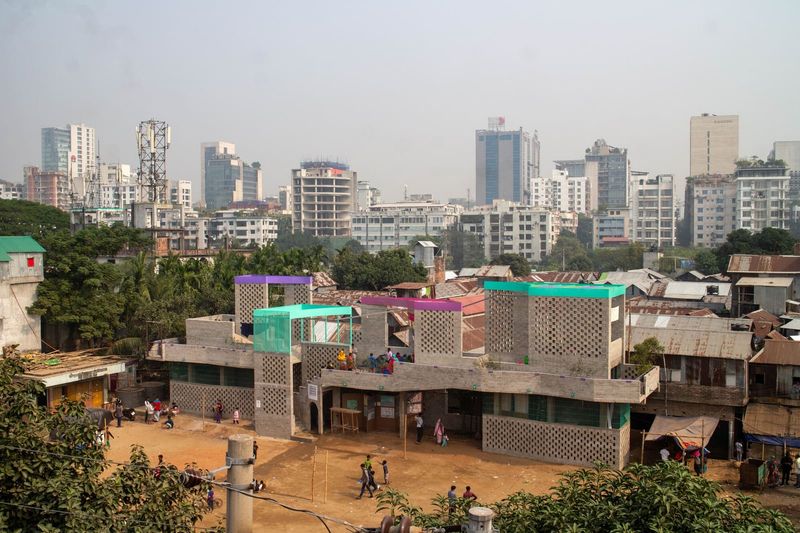
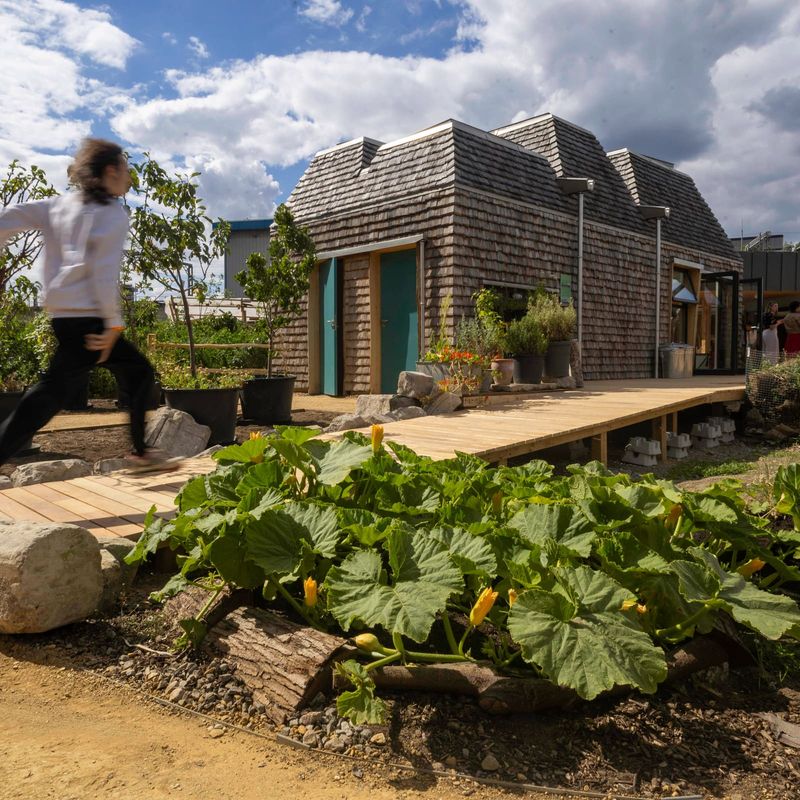
This is not merely about filling a functional gap. It is about reclaiming agency over the built environment, asserting that communities possess the capacity to define, design, and construct the spaces they need. The architectural language of these projects often reflects this ethos: simple material palettes, locally sourced timber and brick, construction methods that invite participation rather than exclude it. There is a tectonic honesty here, a refusal of the slick finishes that so often signal top-down development.
The Medellín Precedent
The Brazilian cases unfold against a broader Latin American context, one shaped by territorial inequality and uneven access to cultural infrastructure. Yet there are precedents that suggest policy can shift this reality. Medellín offers perhaps the most instructive example. After decades of cartel violence and social fragmentation, the Colombian city undertook a deliberate strategy of cultural investment as urban transformation. Beginning in 2005, Medellín increased its municipal cultural budget from less than one percent to five percent, a reallocation that enabled the construction of Library Parks in neighborhoods historically marginalized by both violence and neglect.
The Library Parks are not libraries in the conventional sense. Designed by architects including Giancarlo Mazzanti, they function as multipurpose civic anchors, combining reading rooms with performance spaces, digital labs, and community meeting areas. The architecture itself is assertive, often sculptural, signaling that these neighborhoods deserve design ambition equal to any affluent district. The impact has been measurable: reduced crime, increased school enrollment, strengthened social cohesion. Medellín demonstrates that when cultural infrastructure is treated as essential rather than optional, it can reshape not only neighborhoods but entire cities.
Material Constraints, Spatial Ingenuity
The Brazilian projects operate under very different fiscal conditions. Without municipal budgets to draw on, they rely on resourcefulness: donated materials, volunteer labor, incremental construction schedules that adapt to available funding. This constraint breeds a particular kind of spatial ingenuity. Roofs might be corrugated metal rather than tile, walls might be left unfinished, fenestration might be simple openings rather than glazed systems. Yet these choices are not failures of ambition but adaptations to context, a vernacular modernism born of necessity.
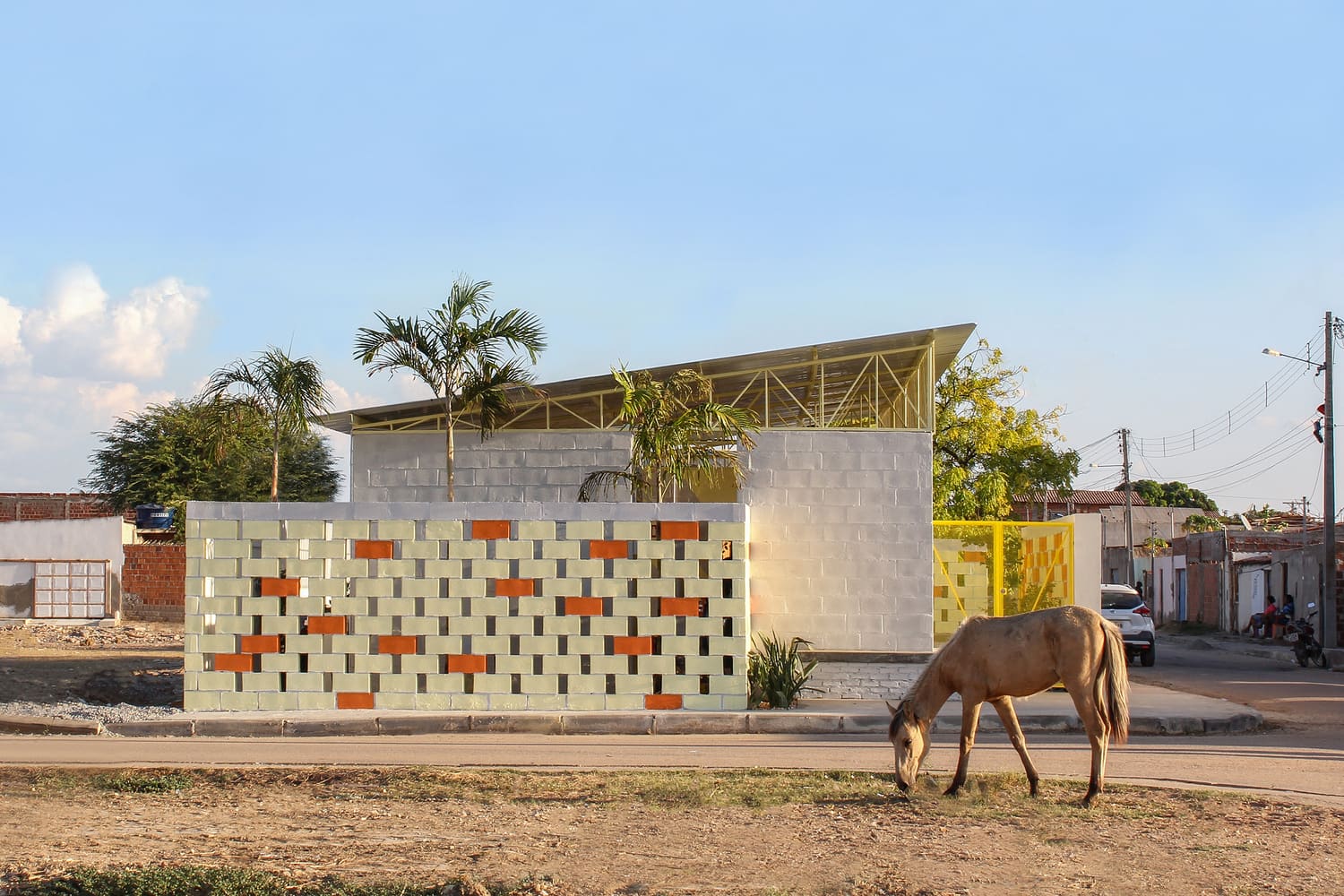
Consider the Soup of Hope project by Tadu Arquitetura, a communal kitchen and gathering space built through collective effort. The architecture is modest in scale but generous in spatial conception: an open-plan interior that accommodates multiple functions, wide eaves that extend the usable area into semi-exterior zones, a material palette of exposed concrete and timber that acknowledges both budget and climate. The design does not apologize for its simplicity; it leverages it, creating flexible, durable spaces that communities can inhabit and adapt over time.
Beyond the Building
What these projects share is an understanding that architecture is never only about the object. It is about the networks, the processes, the social structures that enable and sustain the built work. The women's cooperative in Maranhão did not merely commission a building; they developed organizational capacity, learned to navigate permitting processes, established maintenance protocols. The architecture becomes a vehicle for collective learning, a way of building institutional knowledge alongside physical structure.
This has implications for how we theorize community architecture. Too often, the discourse treats such projects as noble but marginal, exceptions that prove the rule of professional practice. Yet as gaps in public infrastructure widen, not only in Brazil but across the global South and increasingly in the global North, community-led building may become less exception than necessity. The question is whether the architectural profession will adapt its methods, its fee structures, its very conception of authorship to support this shift.
The Right to Design
There is a long history of architects working with communities, from the participatory design movements of the 1960s to contemporary practices focused on social impact. But the Brazilian cases push further. They suggest that communities do not merely participate in design; they initiate it, control it, own it. The architect's role shifts from author to collaborator, from expert to facilitator. This requires a different kind of expertise, one rooted in listening, in process design, in the ability to translate collective aspirations into spatial form without imposing a predetermined aesthetic.
It also raises questions about attribution and recognition. When a community builds its own facility, whose architecture is it? The cooperative that organized the effort? The architect who drew the plans? The volunteers who laid the bricks? Perhaps the answer is that it belongs to all of them, a collective authorship that challenges the individualist model still dominant in architectural culture.
Looking Forward
As we survey the landscape of contemporary practice, these grassroots projects in Brazil stand as both critique and proposition. They critique a system in which cultural infrastructure is treated as luxury rather than necessity, distributed unevenly across territories and populations. And they propose an alternative: that communities possess not only the right to such spaces but the capacity to create them, with or without state support.
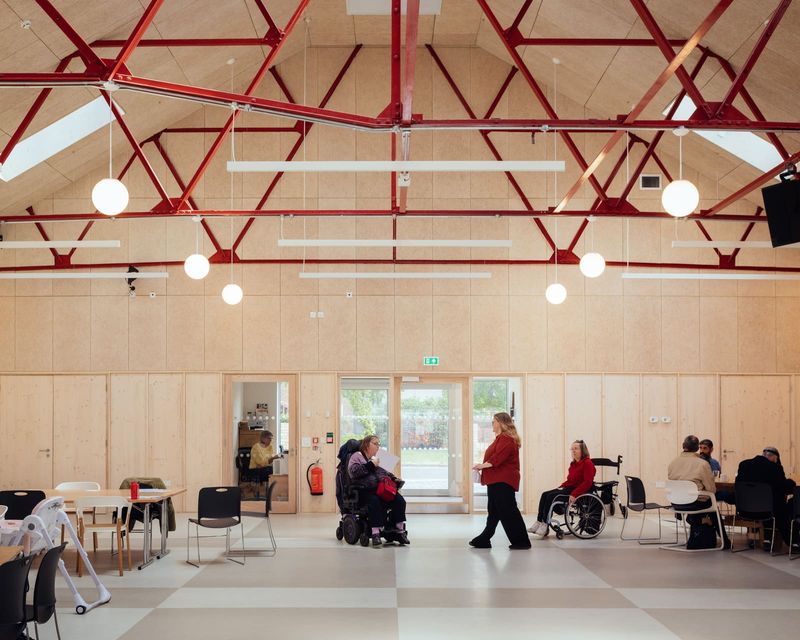
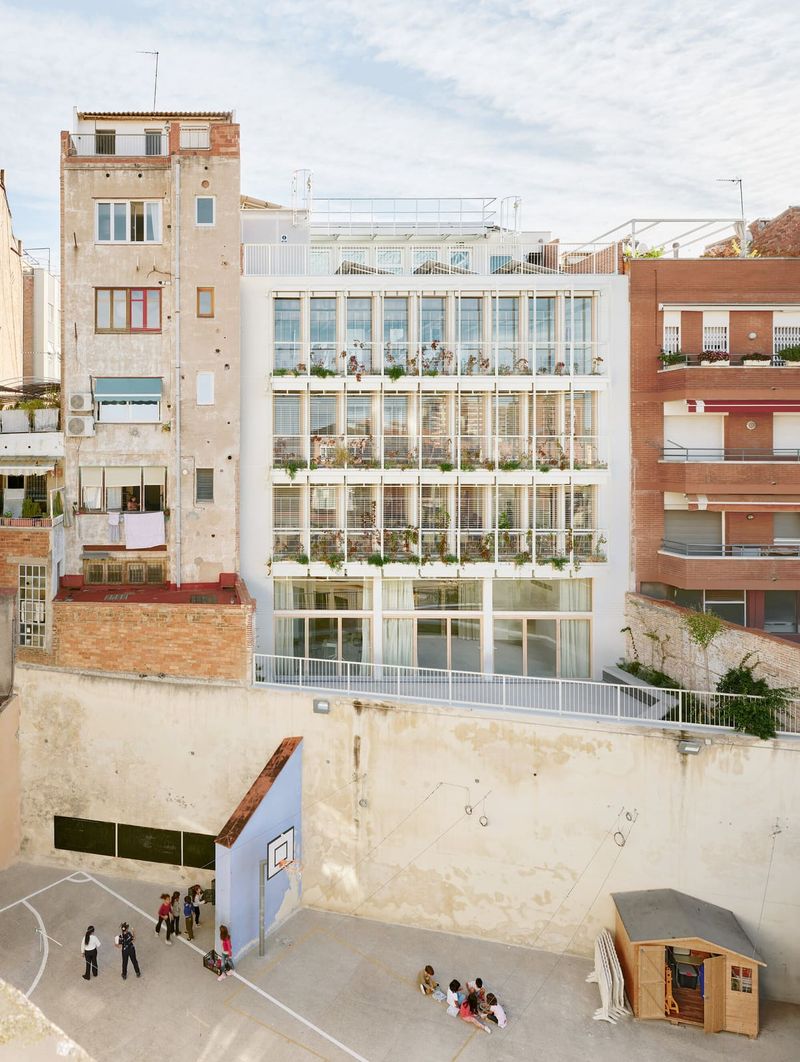
The architectural implications are profound. If communities can and will build their own cultural facilities, what does that demand of architects? A willingness to work outside conventional procurement models, certainly. An openness to shared authorship and incremental timelines. A commitment to material economy and spatial flexibility. And perhaps most importantly, a recognition that the value of a building is not measured solely in formal innovation or tectonic refinement but in its capacity to enable collective life, to anchor neighborhoods, to reclaim the civic rights that policy failed to secure.
The silence of cities without theaters and museums is beginning to be interrupted. Not by grand municipal projects or international competitions, but by the quiet, persistent work of communities building what they need, one cooperative, one volunteer group, one neighborhood at a time.
Save this story. A free account keeps your reading list and the 07:00 email in one place.
CREATE FREE ACCOUNT →SIGN IN