Asia’s architecture and design landscape is changing rapidly. Urbanization, climate concerns, technological advancement, shifting lifestyles, and renewed interest in cultural identity are reshaping how cities are planned, buildings are conceived, and interiors are experienced.
Behind these changes is a profession that is becoming increasingly diverse. Women are contributing across architecture, interior design, research, education, creative direction, craftsmanship, and entrepreneurship, influencing not only what gets built, but also how the industry thinks about design.
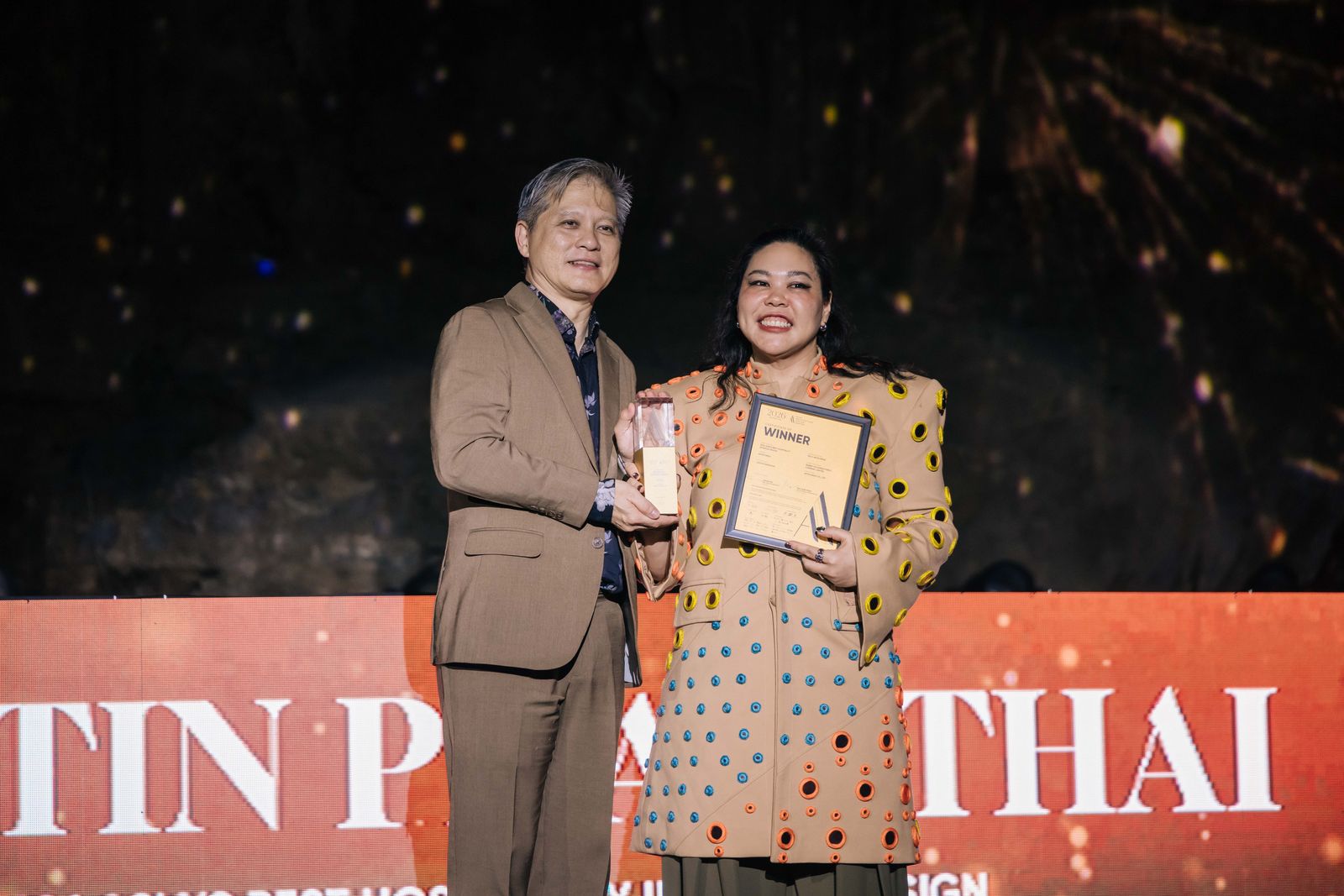
Against this backdrop, the 2027 Asia Architecture Design Awards (AADA) is introducing a new Special Achievement distinction: 2027 Asia's Best Visionary Woman in Architecture & Design. The category is designed to recognize women whose achievements, leadership, and professional contributions have made a meaningful impact on Asia’s architecture and design landscape.
The introduction reflects a wider shift in how professional achievement is being understood. In a region as diverse as Asia, influence does not always come in the form of a landmark building or a widely published project. It can also emerge through research, mentorship, creative practice, material innovation, education, and the development of new approaches to the built environment.
A Broader Role for Women in Design
The role of the architect or designer has become increasingly interconnected with wider social, environmental, and cultural questions.
Architecture today involves navigating issues ranging from climate resilience and urban density to heritage conservation and community needs. Interior design similarly extends beyond aesthetics, encompassing wellbeing, functionality, storytelling, and the creation of distinctive experiences across hospitality, residential, retail, and workplace environments.
Women are active throughout this evolving professional landscape.
Some lead architecture and interior practices, developing distinctive creative visions and building businesses around them. Others work in academia and research, exploring relationships between architecture, nature, culture, and society. Designers and makers are also revisiting traditional materials and craftsmanship, finding ways to translate local knowledge into contemporary applications.
These paths demonstrate that women's influence cannot be reduced to one discipline or design language. Their contribution can be creative, technical, academic, entrepreneurial, or collaborative, and often involves several of these dimensions at once.
This diversity is particularly relevant to Asia, where design practices operate across vastly different cultural, environmental, and economic contexts. There is no single model for addressing the region's challenges, making diverse perspectives an important part of its design future.
Different Paths, Shared Influence
The professional journeys of women represented within the AADA community offer a glimpse into this diversity.
Isabelle Miaja, Founder and Creative Director of Miaja Design Group, has developed a practice connecting interior design, hospitality, art, and cultural expression. Her work illustrates how creative direction can give spaces a strong identity while creating connections between design and broader artistic narratives.

Professor Kulthida Songkittipakdee, Educator and Co-founder of HAS Design and Research, operates across architectural practice, research, and academia. Her work explores relationships between architecture, nature, and local context, while her academic role contributes to the development of future generations of designers.

Meanwhile, Aticha Chareerat, Founder of PAD Space Artisan, represents another dimension of contemporary design through an emphasis on craftsmanship, materials, and detail. Her practice demonstrates the role that collaboration with makers and bespoke design can play in giving spaces a distinctive identity.

Their approaches are different, but together they point towards a broader understanding of leadership within the profession. Impact can come from designing buildings, shaping interiors, establishing practices, advancing research, educating young professionals, or preserving craft knowledge. Each contributes to the ecosystem through which architecture and design evolve.
Why Recognition Matters
As the profession becomes more interconnected, recognizing this breadth of contribution becomes increasingly important.
Traditional measures of success tend to focus on completed projects, awards, commissions, and visibility. These remain important, but they do not always capture the full extent of professional influence.
An architect may contribute to the industry through years of research before a major project reaches completion. An educator may shape hundreds of future practitioners. A creative director may establish a design language that influences an entire hospitality portfolio. A craft-focused designer may help sustain techniques that might otherwise disappear. These achievements can have an impact far beyond a single project.
In Asia, where architecture and design are increasingly shaped by cross-border collaboration and the exchange of ideas, a broader definition of achievement allows more voices to become part of the region's professional narrative.
Recognizing women is therefore not only about increasing visibility, but also about acknowledging the range of expertise and perspectives that contribute to a stronger, more adaptable design ecosystem.
A New Category for “Visionary Asia”
The introduction of 2027 Asia's Best Visionary Woman in Architecture & Design adds a new dimension to the 2027 AADA, placing individual achievement and professional influence alongside the projects shaping Asia’s built environment.
Under the theme “Visionary Asia”, the distinction reflects an industry where leadership increasingly takes many forms - from creative practice and research to education, entrepreneurship and craftsmanship.
More than an accolade, the new category offers a moment to honor the women whose work is helping move the profession forward, while bringing greater visibility to the diverse paths through which Asia’s design future is being shaped.
Explore the 2027 AADA categories and showcase your best vision at aadawards.com
Save this story. A free account keeps your reading list and the 07:00 email in one place.
CREATE FREE ACCOUNT →SIGN IN