
A Geographical Spread Worth Noting
When a competition draws submissions from Kazakhstan to Brazil, from Hong Kong to the Czech Republic, the question is not simply how many countries are represented but what that geographic breadth reveals about the state of interior practice today. This year's announcement encompasses 112 projects distributed across 26 nations, and the selection itself becomes a lens through which to observe how spatial design responds to vastly different cultural contexts, regulatory environments, and material economies.
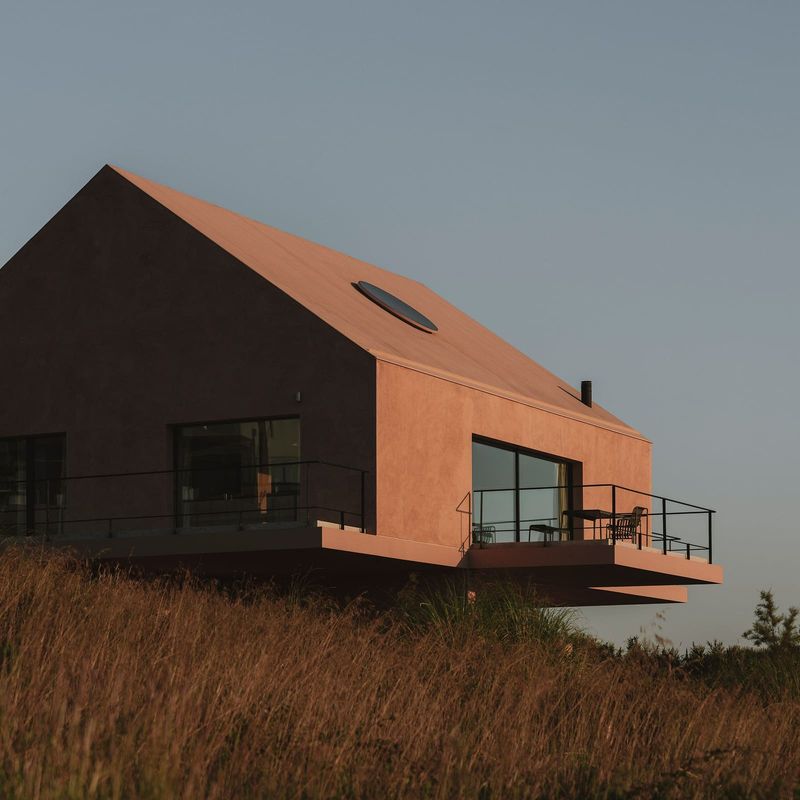
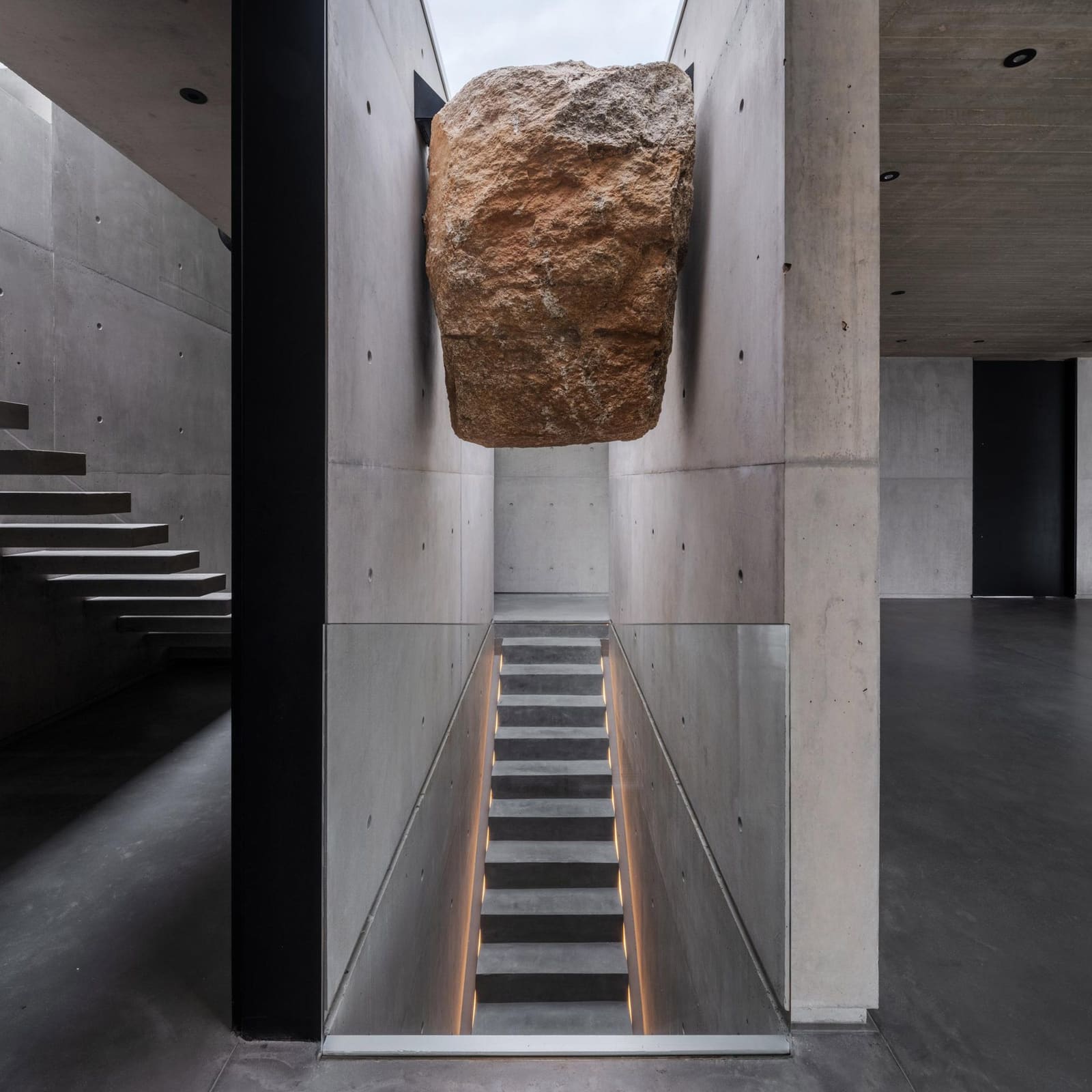
Among the shortlisted work: a century-old dockside warehouse in Scotland reimagined for contemporary use, an Australian apartment where chamfered surfaces and warm hues restore art deco detailing, and a Spanish residence that honours its past life as a sailor's dwelling. Elsewhere, a British nightclub pursues layered atmospherics, a Greek villa suspends stone dramatically above staircases, and another UK project transforms a storehouse into a hair salon with futuristic intent. The diversity is not merely cosmetic; it reflects fundamentally different approaches to material reuse, heritage, and the choreography of movement through space.
Judging Criteria and the Jury's Lens
The panel responsible for scoring these entries includes Jaime Hayon, Tekla Evelina Severin, Julien Sebban, Smita Thomas, Benni Allan, and Wendy Saunders. Each brings a distinct design philosophy, and together they form a jury capable of evaluating work through multiple registers: technical rigour, cultural sensitivity, material innovation, and experiential ambition. Christopher Cronin of Trimble SketchUp described the shortlist as "a brilliant showcase, turning ambitious ideas into spaces people actually want to experience", a remark that foregrounds usability alongside conceptual strength.
At World Archi Design, we have long argued that competition juries often privilege photogenic drama over lived experience. This year's selection, however, suggests a more balanced calculus. The presence of healthcare interiors, co-working environments, and small-scale retail alongside more conventionally spectacular projects indicates that the jury has considered how design performs over time, not merely how it appears in a single frame.
Residential Work: Scale as a Design Variable
The residential categories are divided by scale, an organisational choice that acknowledges how constraints and ambitions shift with square metreage. In the small residential category, entries include a hillside apartment in Kuala Lumpur, a Tokyo house by Kenta Hirayama Architect & Associates, an Italian mountain retreat, a Catalan pirate's house, a Prague bakery conversion, a Californian slice of paradise, a Sydney atrium, and another Sydney project by YSG Studio. The recurring presence of adaptive reuse, particularly the bakery and warehouse conversions, speaks to a broader shift in practice: designers are increasingly tasked with honouring existing fabric while inserting contemporary domestic programmes.
In the large residential category, the shortlist features a Mykonos residence by Tom Dixon's Design Research Studio, a Guadalajara house, a German garden home, a Los Angeles project by Studio Muka, an Ontario cottage, a Kuwaiti plinth house, a Madrid apartment, and a Mexico City residence. Here, scale permits more ambitious spatial sequences and material experimentation. The Mykonos residence, for instance, deploys Dixon's characteristic material vocabulary, bronze and blackened steel, within a landscape that demands both thermal performance and visual restraint.
Hospitality and Workplace: The Politics of Programme
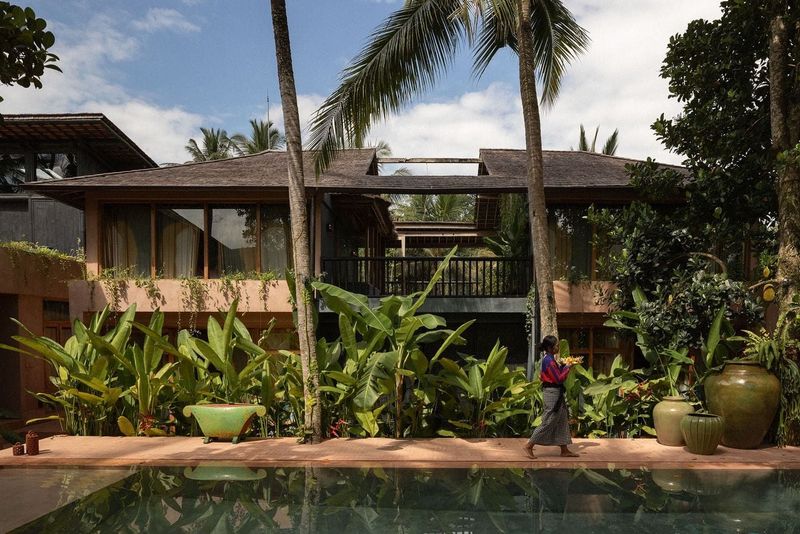
Hospitality interiors often serve as testing grounds for material and formal ideas that later migrate into residential practice. This year's hotel shortlist includes projects in Tokyo, Mexico, China, Spain, London, Bali, and Japan's Hakone region. The Spanish entry, a palace conversion, exemplifies the tension between preservation mandates and contemporary comfort standards. How does one insert climate control, accessibility, and updated services into a structure whose value lies partly in its historical legibility? The answer, when done well, lies in tectonic clarity: new insertions must read as such, neither mimicking nor contradicting the existing order.
Workplace interiors, divided into small and large categories, reveal how post-pandemic spatial strategies have evolved. The small workplace shortlist includes studios in Barcelona, Kyiv, Sydney, Chicago, Taichung, Querétaro, and Byron Bay. Snøhetta's Taiwanese bank branch, for instance, negotiates the peculiar challenge of making financial services feel approachable without sacrificing institutional authority. The large workplace category features co-working environments in Berlin, Tokyo, London, Chicago, and Utrecht. Bruzkus Greenberg's Berlin project, set within a historic Alexanderplatz building, demonstrates how co-working typologies can engage with urban heritage rather than defaulting to the placeless aesthetic that characterises much of the sector.
Retail and Exhibition: Material as Narrative Device
Retail interiors increasingly function as brand storytelling devices, and the shortlist reflects this shift. Among the small retail entries: a sourdough bakery in Chengdu, a Rio de Janeiro store, a Mexico City shop, a Madrid project by Isern Serra, a Kyiv showroom, a Shanghai flagship at a converted granary, and two projects in Chinese cities by Amass. Serra's Madrid work is particularly instructive; he employs minimal material palette, typically raw plaster and reclaimed timber, to create environments that feel both monastic and welcoming. The technique is deceptively simple: by stripping away ornament, the architecture of the existing shell becomes the primary decorative element.
The large retail category includes projects in Bangkok, Beijing, Barcelona, Gaoping, Dubai, Seoul, Almaty, and Milan. The Gaoping library by Eternal Architectural Design exemplifies how retail and cultural programming can overlap. In smaller Chinese cities, bookstores and libraries often serve as de facto community centres, and the design responds accordingly, with reading alcoves that modulate between public and intimate scales.
Exhibition design, a category often overlooked in interior competitions, here includes work in Ljubljana, London, Hefei, Prague, Paris, Venice, and Abu Dhabi. The Victoria & Albert Museum's "Design and Disability" project, part of the museum's permanent collection, reframes accessibility not as regulatory compliance but as a generative design constraint. By foregrounding adaptive tools and techniques, the exhibition argues that disability-led design often produces solutions applicable to broader populations, a principle known in universal design circles as the "curb-cut effect".
Specialised Categories: Kitchens, Bathrooms, and Sustainability
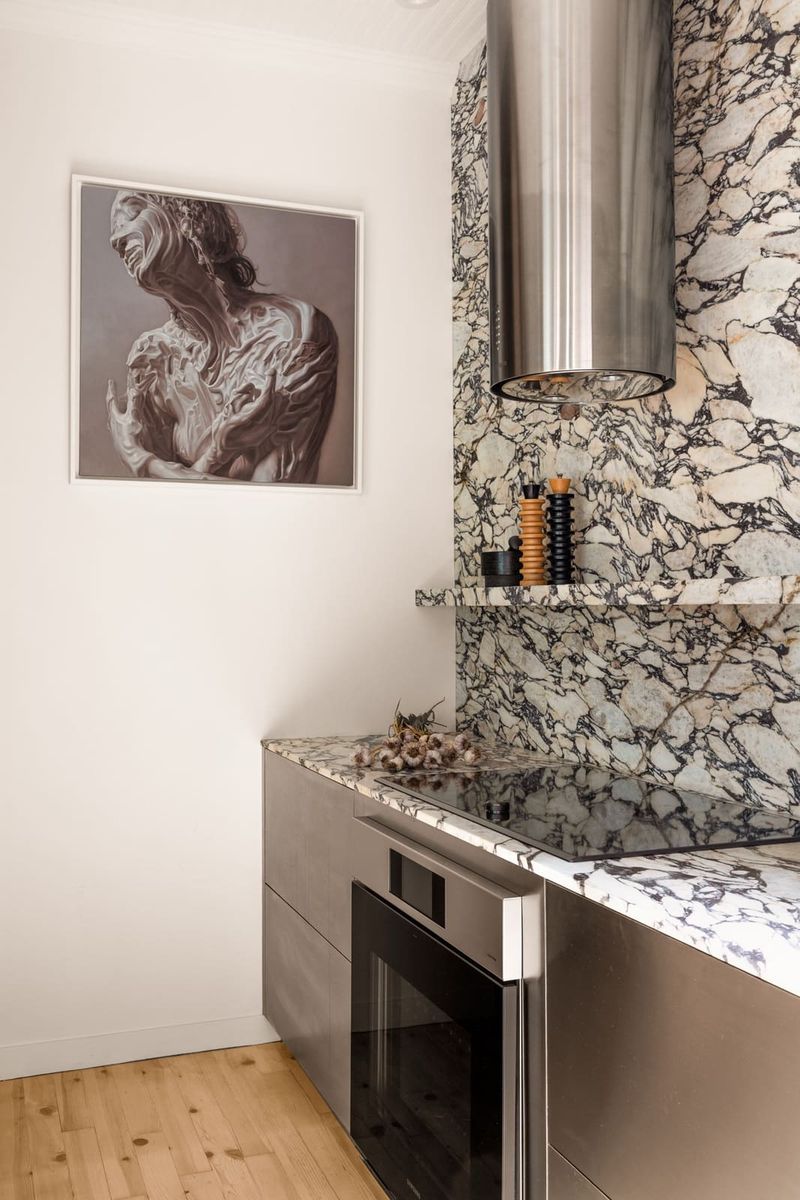
The inclusion of dedicated kitchen and bathroom categories acknowledges that these spaces operate under distinct technical and experiential demands. The kitchen shortlist spans São Paulo, London, Tokyo, Zeebrugge, Ontario, and Eindhoven. Note Architects' Tokyo project integrates cooking, dining, and bathing within a continuous spatial loop, a parti that reflects Japanese domestic traditions while accommodating contemporary appliances. The bathroom category features work in Paris, Sydney, Arizona, Melbourne, Belgium, Texas, and Athens. LAM Studio's Parisian entry restores 1930s tilework and fixtures, a reminder that preservation can be as radical as invention when the original detailing is sufficiently refined.
The sustainable interior category, perhaps the most fraught, includes projects in Chongqing, London, Kamakura, Jakarta, Cambridge, and Hobart. Sustainability metrics in interiors remain contested. Is a project sustainable because it uses reclaimed materials? Because it reduces operational energy? Because it can be disassembled and reused? The shortlist reflects this ambiguity: some entries emphasise material provenance, others passive thermal strategies, still others adaptive reuse. Woods Bagot's Hobart project, set within a historic structure, combines all three, demonstrating that the most convincing sustainable interiors are those where environmental performance emerges from design logic rather than being applied as an afterthought.
What the Shortlist Reveals About Contemporary Practice
Taken together, these 112 projects suggest several broader trends. First, adaptive reuse has moved from niche practice to mainstream expectation. Roughly a third of the shortlisted work involves the conversion of existing structures, from warehouses to palaces to granaries. Second, material restraint is increasingly valued. The maximalist interiors that dominated early 2020s hospitality work have given way to projects where a limited palette, two or three materials, carries the entire spatial narrative. Third, geographic diversity in competition shortlists does not automatically translate to stylistic diversity. Certain formal tropes, curved archways, terrazzo, ribbed timber ceilings, appear across multiple continents, a testament to both social media's homogenising influence and the global circulation of design labour.
The question, as these projects move towards final judging, is not which will win but what the selection collectively argues about the discipline's priorities. If interiors are where architecture meets daily life most directly, then competitions like this one serve as barometers of how designers believe that life should be lived: with what degree of ornament, what relationship to history, what material honesty, what spatial generosity.
The winners across all 14 categories will be announced in November at the Royal Opera House in London, with one project ultimately selected as interiors project of the year. That final award, sponsored by Gaggenau, will inevitably privilege a certain kind of work, likely residential or hospitality, likely photogenic, likely legible within a single image. But the shortlist, viewed in aggregate, offers a more complex and perhaps more honest portrait of contemporary interior practice: plural, geographically dispersed, technically ambitious, and still negotiating the terms of its own sustainability.
Save this story. A free account keeps your reading list and the 07:00 email in one place.
CREATE FREE ACCOUNT →SIGN IN