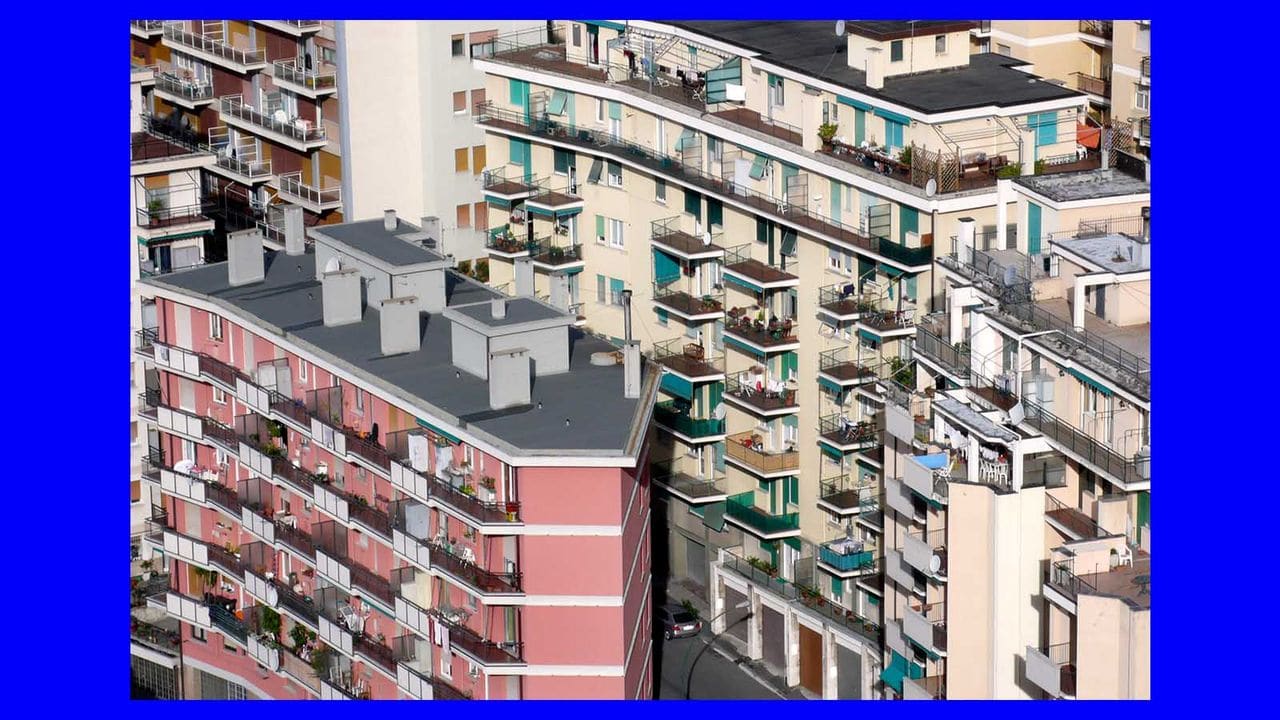
The Patrician Sprawl and the Plebeian Tower
There is a particular kind of claustrophobia that comes with summer in a city apartment. The heat pools between floors, voices carry through shared walls, and the mechanical hum of a neighbor's air conditioner becomes the soundtrack to sleepless nights. It is an experience as old as urbanism itself.
While Rome's wealthy families spread horizontally across the landscape in sprawling villas, the majority of the city's population went vertical. The Casa di Diana, a second-century structure, represents one of the earliest surviving examples of what Romans called the insula - literally "island" - a multi-story residential block that would become the dominant housing typology of the ancient world's first megacity.
When imperial Rome surpassed one million inhabitants, a threshold no other settlement had reached, tens of thousands of these insulae rose to meet the demand. Some climbed to seven or eight stories, a height that prompted Emperor Augustus to impose restrictions on building elevation. It was, in effect, history's first zoning ordinance, enacted before the discipline of urban planning had even been codified.
The Architecture of Proximity
The success of the insula lay in its simple arithmetic: stack enough people vertically, and you achieve urban density without consuming vast tracts of land. This efficiency created something beyond mere housing - it generated the social fabric that defines city life.
Density produces infrastructure. It makes possible the concierge who knows every resident's routine, the ground-floor shops that serve the immediate neighborhood, the informal networks of mutual aid that emerge when people share walls and stairwells. During the COVID-19 pandemic, apartment buildings became nodes of solidarity, with neighbors coordinating deliveries and checking on the isolated.
But density also manufactures friction. The Roman poet Juvenal devoted part of his Third Satire to cataloging the miseries of insula living: cracked walls, structural instability, fires, and above all, noise. His rhetorical question - "which rented dwellings allow sleep?" - survives as history's first recorded complaint about apartment neighbors. The hexameter rhythm doesn't soften the grievance.
The Neighbor Problem
Two millennia separate Juvenal's complaints from contemporary condominium disputes, yet the substance remains remarkably consistent. The Sunday drill session. The footsteps from the floor above. The contentious meetings over shared expenses and maintenance responsibilities. Georges Perec built an entire novel, Life: A User's Manual, around the inhabitants of a single Parisian apartment building, demonstrating how much narrative complexity can unfold within a vertical stack of domestic spaces.
J.G. Ballard approached the typology from a darker angle in High-Rise, using a London tower block as the setting for a thought experiment about social dissolution. When vertical living concentrates too many people in too little space, what prevents the social contract from unraveling?
The answer, it seems, is that the apartment building works precisely because it accommodates both impulses - the desire for community and the need for privacy, the longing to be together and the urge to retreat. This duality is not a flaw but a feature.
The Dialectic of Urban Life
Cities have always embodied contradiction. The Republic of Venice, for centuries a cosmopolitan crossroads welcoming merchants and migrants from across the Mediterranean, simultaneously invented the ghetto - a district where Jewish residents were confined at night, located on an island named for the foundry (geto) that once occupied the site. Integration and segregation, proximity and separation, existing side by side.
The shared apartment building operates along the same dialectic. It forces encounters that might not otherwise occur - the elevator ride with a stranger, the hallway conversation, the accidental meeting that generates serendipity. Italian cinema recognized this potential: in The Elevator, a priest and an attractive woman find themselves trapped together in a lift on the eve of Ferragosto, the August holiday when the city empties.
Yet the same structure that enables these encounters also allows for isolation. One can live for years in an apartment building and never learn the names of those on the other side of the wall. The vertical stack creates both community and anonymity, often simultaneously.
Why the Model Endures
The condominium has never stopped working because it solves a problem that remains unsolved: how to house large populations in limited space while maintaining something resembling quality of life. No subsequent innovation has displaced it. Suburban sprawl offers more private space but sacrifices walkability and infrastructure efficiency. Detached single-family housing consumes land at rates that become unsustainable at urban scale.
The apartment building, by contrast, adapts. It scales up or down depending on context. It accommodates diverse household types and income levels. It can be retrofitted with new systems - elevators, air conditioning, fiber-optic networks - without abandoning the fundamental organizational logic.
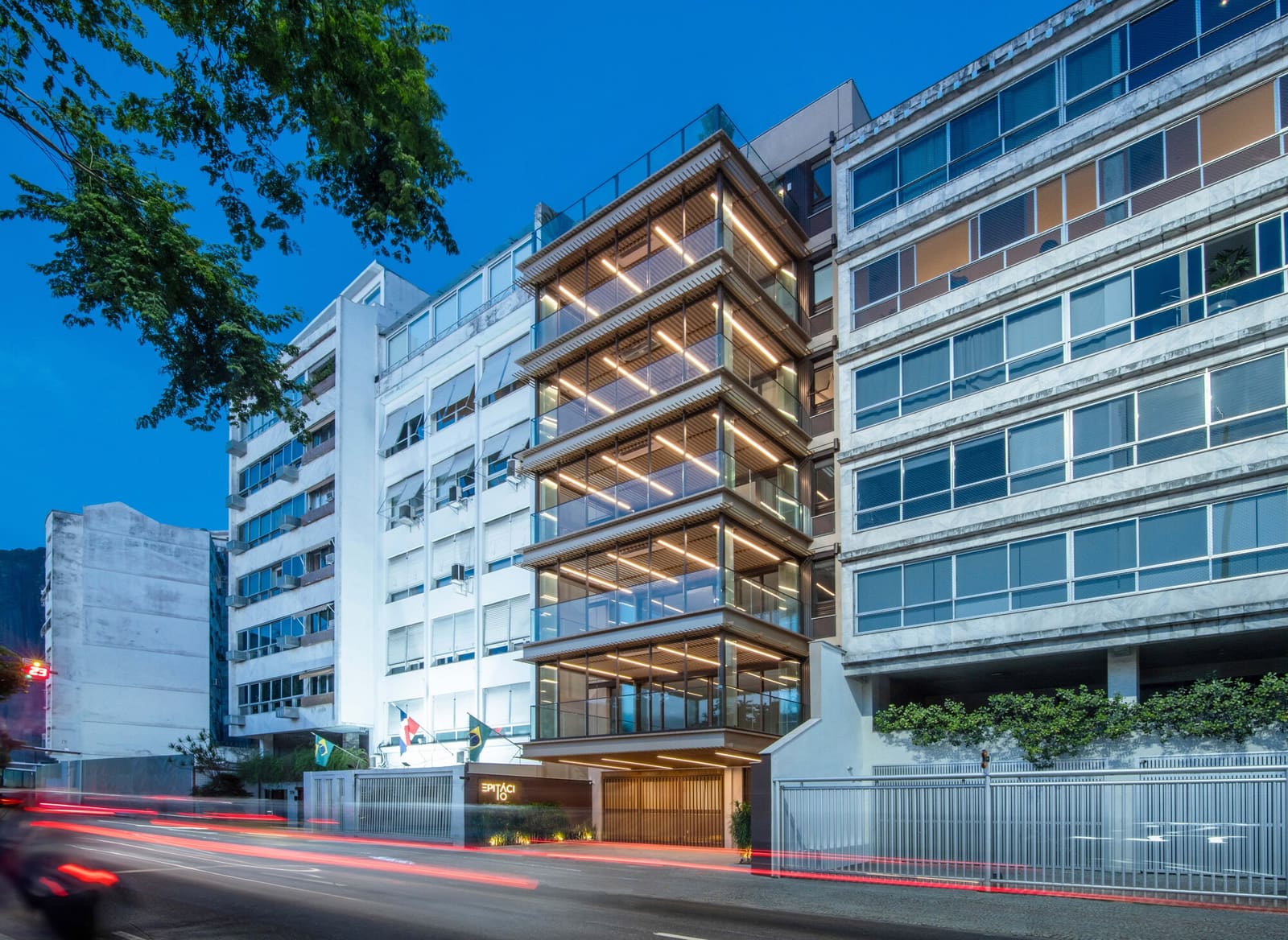
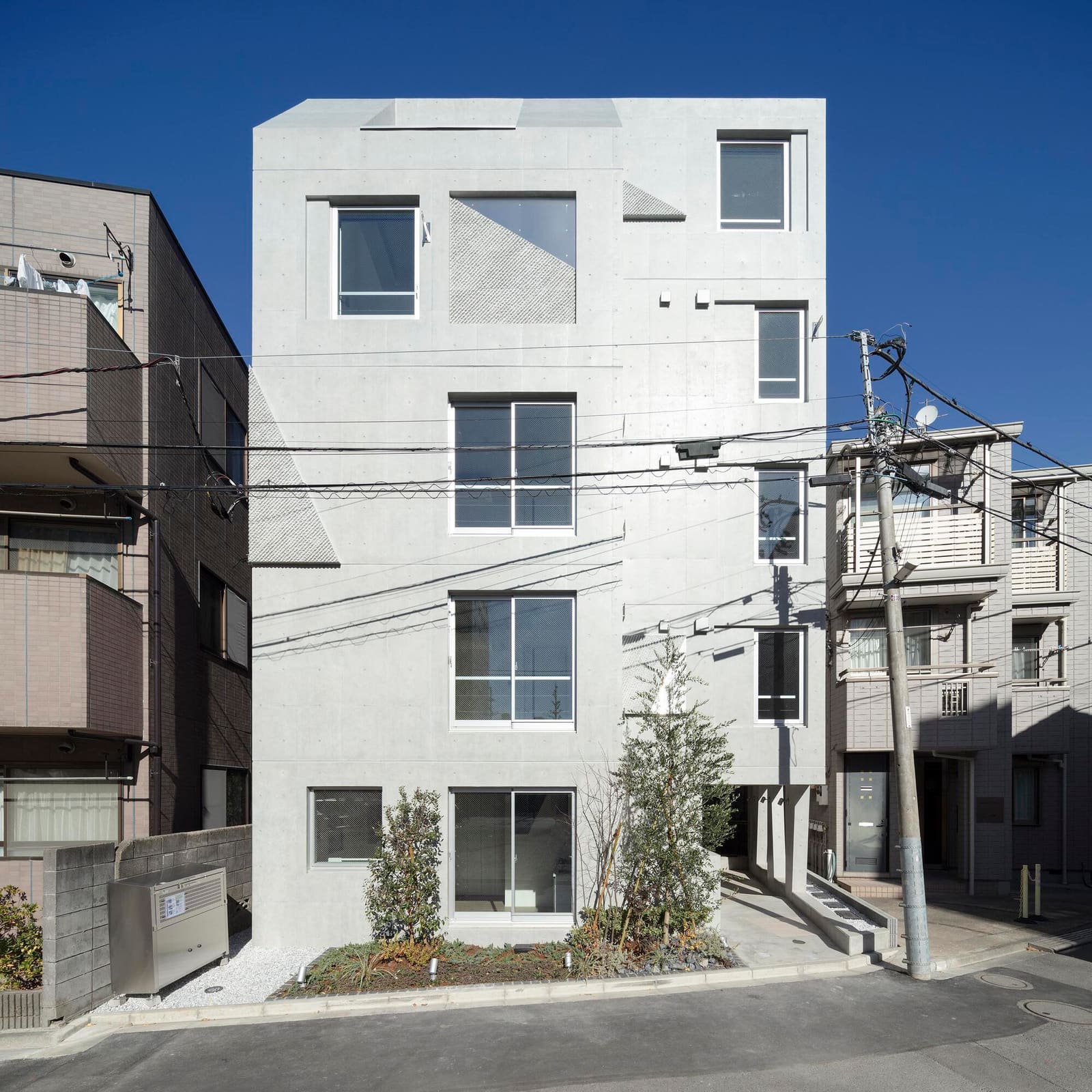
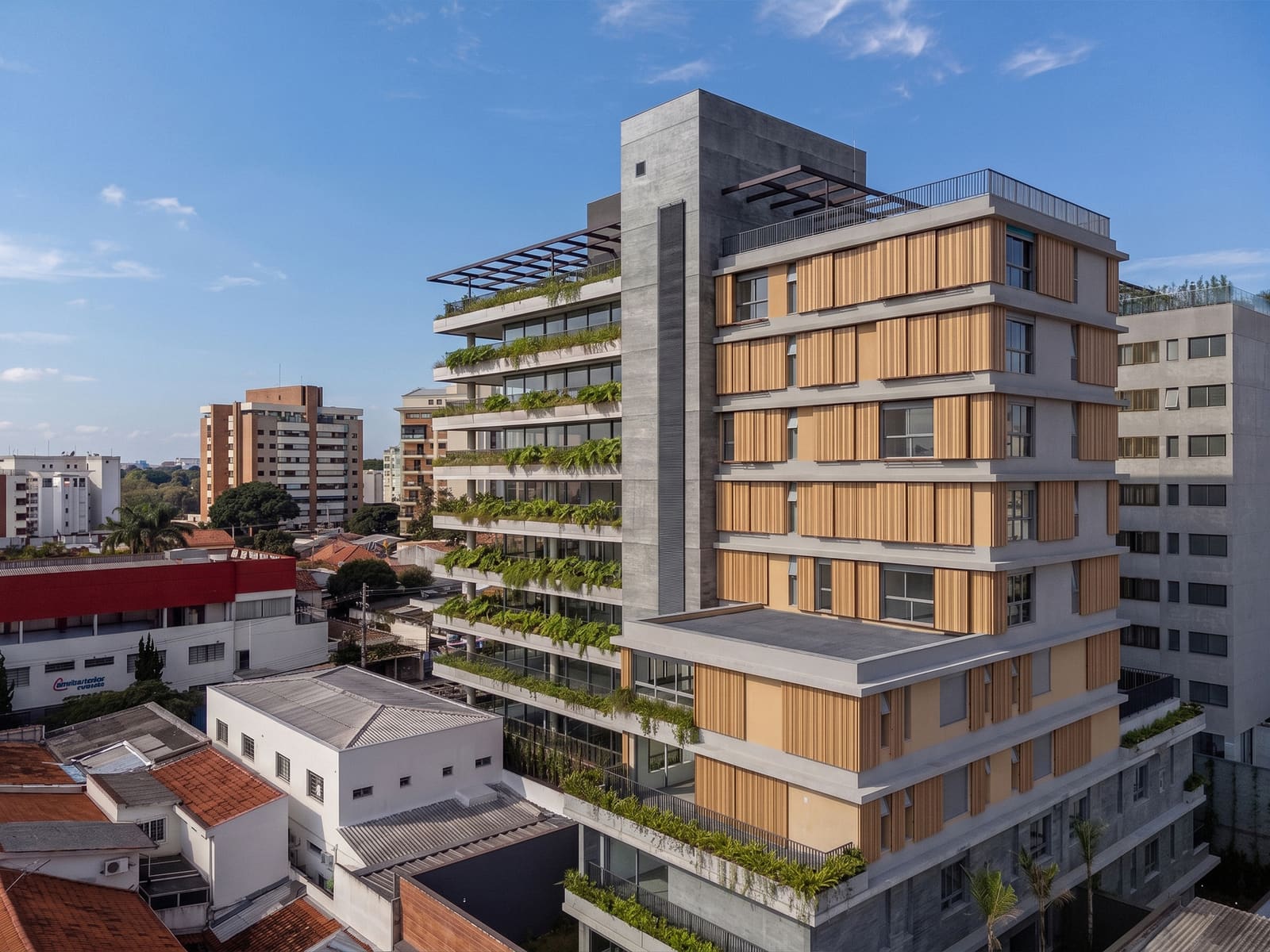
This adaptability explains why the Roman insula model spread globally. From Paris to São Paulo, from Hong Kong to New York, the vertical residential stack remains the default solution for housing urban populations. The details vary - construction methods, aesthetic treatments, regulatory frameworks - but the core idea persists: divide a building into horizontal layers, allocate each layer to a separate household, share the infrastructure.
The Price of Density
The persistence of the model does not mean it is without cost. Shared walls transmit sound. Common spaces require governance structures that inevitably generate conflict. Vertical living depends on mechanical systems - elevators, plumbing, ventilation - that can fail, and when they fail, they affect everyone simultaneously.
There is also the psychological dimension. The French existentialist Jean-Paul Sartre, who lived at 42 Rue Bonaparte in Paris, wrote that "hell is other people." Whether he arrived at this conclusion during a sweltering summer in an un-air-conditioned apartment building is unknown, but the sentiment resonates with anyone who has endured the particular intimacy of hearing a neighbor's every movement through a shared ceiling.
Yet for all these frictions, the apartment building remains the most successful residential typology ever devised. It has survived because it mirrors the fundamental condition of urban life: we want to be near others, and we want to be left alone. We seek community, and we crave privacy. We value independence, and we rely on shared infrastructure.
The Ordinary Object
At World Archi Design, we have often focused on the signature projects - the museums and towers and civic monuments that define skylines and win awards. But the apartment building, that ordinary stack of domestic spaces, shapes far more lives than any landmark ever will.
It is worth considering what makes an architectural typology successful. Not novelty, not formal innovation, not aesthetic distinction. The condominium succeeds because it is adaptable, efficient, and capable of absorbing contradiction. It houses the wealthy and the working class, families and singles, the young and the elderly. It scales from three stories to eighty. It works in hot climates and cold, in dense cores and sprawling peripheries.
The Roman insula was a practical solution to a practical problem. That it remains the dominant residential model two thousand years later suggests that some architectural ideas are less about invention than about recognition - identifying a pattern that aligns with how people actually want to live, even when that desire is contradictory.
As summer temperatures climb and cities grow denser, the apartment building will continue to do what it has always done: stack people vertically, create friction, enable community, allow isolation, and somehow, despite everything, keep working.
Save this story. A free account keeps your reading list and the 07:00 email in one place.
CREATE FREE ACCOUNT →SIGN IN