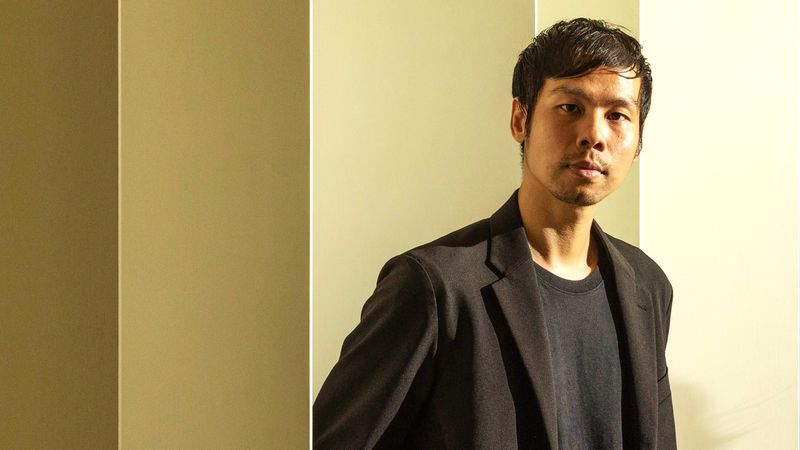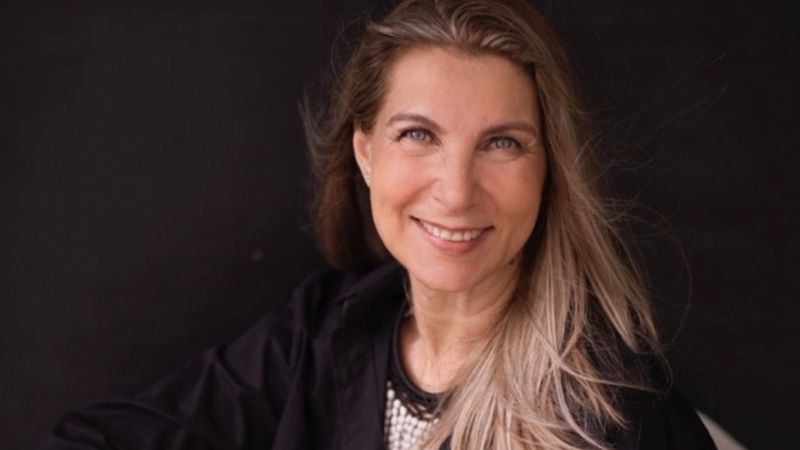

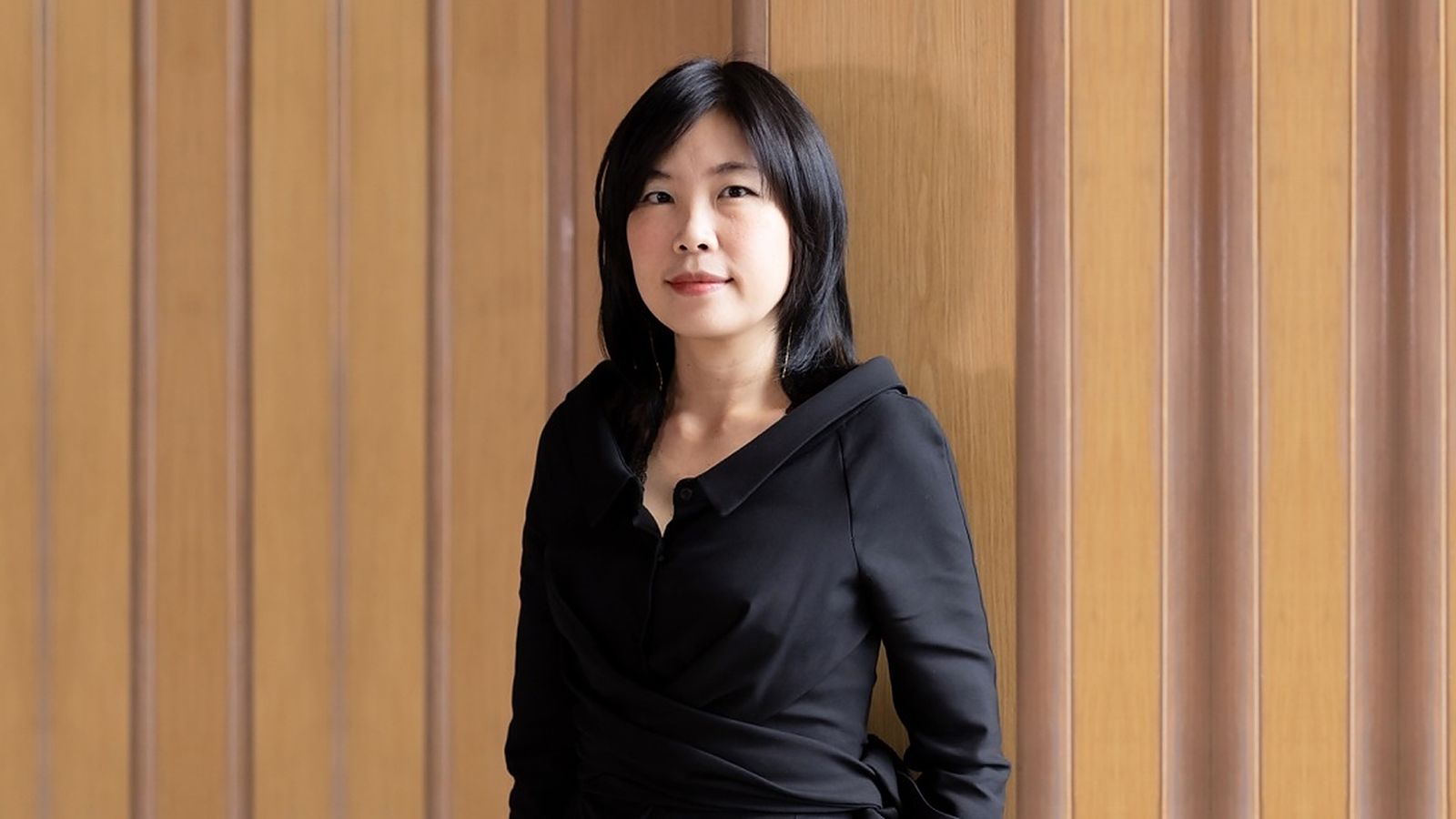
Inside the Bangkok studio of Jenchieh Hung + Kulthida Songkittipakdee / HAS design and research, a single project can pass through more than one hundred design options before anyone is satisfied. Some are studies of form, others of space, material texture or physical models built at different scales. The habit, Kulthida Songkittipakdee says, began in Paris.
Songkittipakdee is reported to be the first Asian architect selected by the Renzo Piano Foundation to work at Renzo Piano's Paris studio. With her partner, Professor Jenchieh Hung, she has since built a practice whose work includes the Museum of Modern Aluminum in Thailand, the Simple Art Museum in China, Aluminum Grotto and Public Ground, Forest Villa, The Glade Bookstore and Casa de Zanotta. She has published four monographs, served as a juror for the RIBA International Awards for Asia Pacific in 2025 and is guest editor of the ARCASIA Journal. Worldarchidesign spoke with her about method, publishing and what she sees from the jury table.
Lessons from the Paris workshop
What surprised her most at the Renzo Piano Building Workshop was how physical the design process remained. "The firm developed design through sketches, materials, physical models, and many hand drawings," she said. "Nowadays, most firms do design through computers and design software. But when I was at Renzo Piano Building Workshop in Paris, most of my colleagues developed their ideas physically rather than virtually."
Hung brought a parallel experience, having worked with the Japanese architect Kengo Kuma for five years as Design Manager and Project In Charge. "Both of us have long term experience working with internationally renowned architects," Songkittipakdee said, "and we try to create new methods that are suitable for our own working environment."
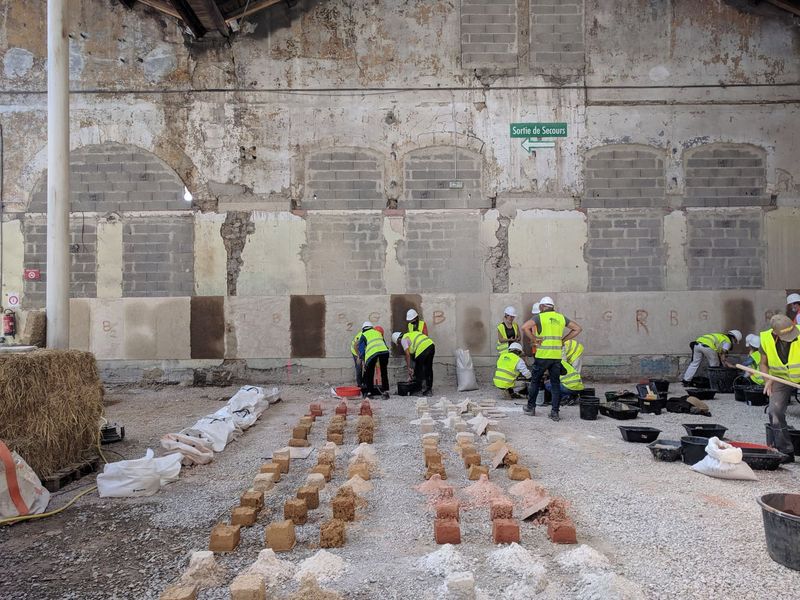
That method is the hundred options. "These options can be about architectural form, space studies, material textures, and physical models at different scales and sizes. We keep testing and changing the design until we find something that we believe is right."
The point, she stresses, is less the output than the confidence the process creates. "The most important thing is not only about what you design, but about how you work. When you have explored the design from many different directions, you can be proud to present it to the client, and you can be confident when talking to the builder. Then everyone can become part of your team, and that is when you can create a successful project together."


The hand before the screen
Small offices now have access to digital tools that only large firms could afford a decade ago. Songkittipakdee uses them, but sparingly. "In our firm, we do not really rely on 3D. We actually make many physical models," she said. "I know that AI and 3D tools are very useful, especially for visualization and communication, but personally, I still prefer a physical way of designing something."
She values what the hand reveals that the screen does not. "When you draw something by hand or build a model yourself, you can feel the material, the scale, the space, and the relationship between different elements in a different way. Sometimes, when you work directly with your hands, you can discover something that you did not expect."
Digital tools still have their place, particularly when the studio works with people in other countries. "But I don't think having more technology necessarily means having better architecture. For me, technology is a tool. I don't want the tool to decide how I design. I think this is one of the things that keeps our design process personal."

Publishing as another way of practicing
Songkittipakdee has published four monographs in under a decade: Arch Life and Rhythm in 2016, THE Improvised: Phetkasem Artist Studio in 2021, From MANufAcTURE to Architecture: Museum of Modern Aluminum in 2024, and Chameleon Architecture: Shifting, Adapting, Evolving in 2025. For her, the books are a way of slowing down.
"Running a small practice can be very driven by projects. You finish one project and immediately move to the next," she said. "Making a book forces me to step back and ask: What have we actually been exploring over these years? What connects these projects? What do I believe in, and what have I learned?"
Two architects shaped that impulse. Her first book grew out of her years at the Renzo Piano Building Workshop. The others were developed with Hung, who, she says, "has always reminded me to do things for your dreams and your passion, and to look toward the future, rather than doing them only for money or reputation." Following an idea out of real curiosity, she adds, can draw in people from entirely different disciplines.
The books are slow to make and are not commercial titles in the traditional sense. "We have been fortunate that our publishing partners have supported them because they also see their value for the next generation," she said. "A book can carry an idea further than a project itself. A photograph can show you what a building looks like, but a book can tell you why you made it, what you were thinking about, what you learned, and what you hope someone else might take from it. So, for me, publishing is not separate from practice. It is another way of practicing, researching, and sharing what we believe in."


What the partnership holds
Hung has spoken publicly about how the two architects share authorship. Asked what part of the practice is hers alone, Songkittipakdee pointed to research, material, texture and connections. Both have taught at Tongji University for many years, and both believe design and research should develop in parallel, but they arrive from different directions.
"What I bring to our firm, and to the world, is not simply a particular design style," she said. "It is a way of questioning, researching, and connecting things that may not initially seem related. For me, the strength of our partnership is not that we always think the same way. It is that we challenge each other, and through that process, the work becomes something neither of us could have created alone."
From the jury table: asking why
As a juror for the RIBA International Awards and guest editor of the ARCASIA Journal, Songkittipakdee reads a large volume of work by young practices across the region. What she finds missing is not technique but purpose. "Many architects and designers are happy to create buildings, but fewer stop to ask themselves, 'What is the meaning of creating this building? Why does it need to exist?'"
Too much of the profession, she believes, is oriented toward more projects, more income or more fame. "Architecture, like life, needs us to ask deeper questions: Why do we need to be here? And why do we need to create architecture? In Thailand, we are taught to think before we act. I believe this is also important in architecture. Many people can do, but fewer people take the time to think."
She sees the current economic climate as an opening rather than only a constraint. "With the economy becoming more challenging, I think this is actually a good moment for our profession to slow down and reflect. Instead of only trying to produce more, we can think about new statements for architecture, new ways of living, new ideas for the house, and even imagine what kind of future we really want to create."
That, she says, is the work she hopes to see more of. "Architecture that does not only answer how to build, but also asks why we build."

Teaching sincerity
Alongside practice, Songkittipakdee holds a lifetime honorary professorship at Kunming University of Science and Technology and visiting or adjunct posts at Tongji University, Chulalongkorn University, King Mongkut's University of Technology Thonburi and the World University of Design in India. This year she was also appointed Honorary Professor at Kazan State University of Architecture and Engineering.
In the studio and the classroom alike, her message to the next generation is the same. "When I teach at universities, I always tell my students that opportunities are not simply provided by professors. You need to earn them and work hard for them yourself, and you need to be sincere about what you do," she said. "If you work with sincerity and dedication, you will have more chances to meet the right people and discover the right opportunities in the future."
Images courtesy of Jenchieh Hung + Kulthida Songkittipakdee / HAS design and research
Save this story. A free account keeps your reading list and the 07:00 email in one place.
CREATE FREE ACCOUNT →SIGN IN