

A Regional Hub Takes Shape
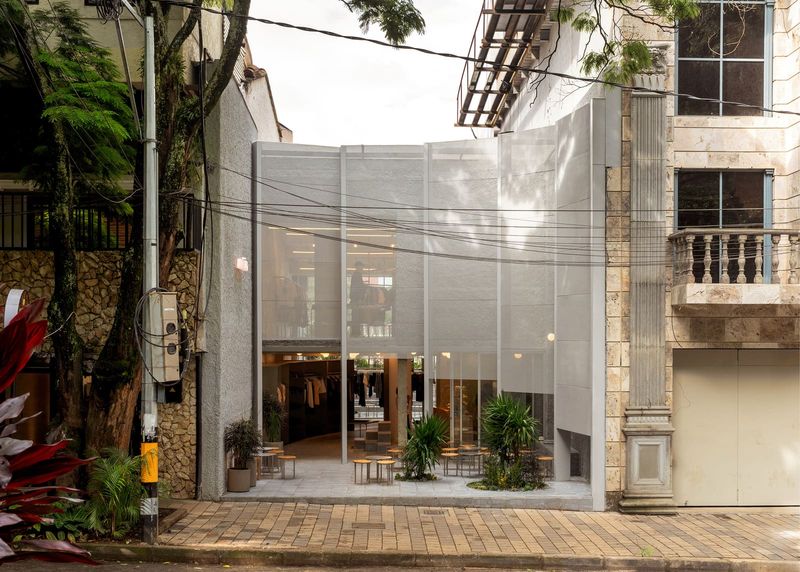
Over the past decade, Medellín has quietly assembled the infrastructure of a design capital. The city that once carried a darker reputation now anchors innovation districts, co-working campuses, and an expanding network of architecture and design studios. This September, that transformation finds formal expression when the city hosts a three-day trade gathering focused on furniture, lighting, kitchens, and interior environments.
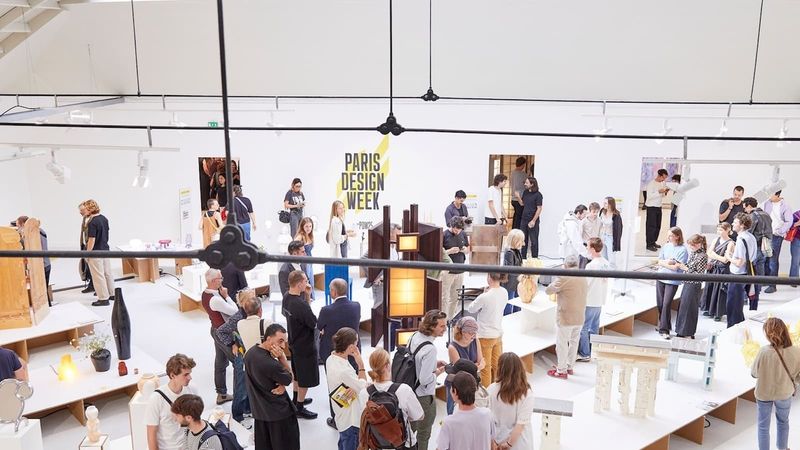
La Feria De Diseño Medellín, running from September 10 to 12, 2026, will occupy Plaza Mayor Medellín, a convention complex near the city's metro artery. The event is structured as a business-to-business platform, drawing architects, interior designers, product buyers, developers, and distributors into a single venue. It represents a calculated effort to position Latin American design not as an export curiosity but as a competitive force in global supply chains.
Why Colombia, Why Now
Colombia's creative industries have long operated in the shadow of European and North American trade fairs. Milan, Cologne, and High Point have historically set the calendar for product launches and contract negotiations. Yet logistical realities and shifting trade patterns have created openings for regional platforms. Medellín, with its temperate climate, modernized transport links, and concentration of design talent, offers a geographic midpoint for intra-regional commerce.
The city's broader economic pivot supports this ambition. Municipal investments in public space, transit infrastructure, and cultural programming have rebranded Medellín as a livable, forward-thinking metropolis. Architecture firms based here have won commissions across Latin America. Material suppliers and fabricators have established distribution networks that reach from Mexico City to Buenos Aires. A professional design fair becomes the logical next step in that trajectory.
The Commercial Logic
Trade fairs succeed or fail on their ability to facilitate transactions. This gathering emphasizes sectors where Latin American manufacturers have achieved competitive scale: wood and metal furniture, artisanal lighting, modular kitchen systems, and wellness-oriented interiors. These categories align with regional material strengths and labor expertise while addressing demand in hospitality, residential, and commercial development projects.
The inclusion of kitchens and wellness spaces signals an understanding of where specification dollars flow. Hotels, co-living developments, and mixed-use towers across Latin America are investing in differentiated interior environments. Designers sourcing for these projects need access to suppliers who can meet volume, lead time, and quality benchmarks. A concentrated, vetted exhibition floor reduces search costs and accelerates procurement cycles.
At World Archi Design, we have tracked how specification culture in emerging markets often leapfrogs traditional retail channels. Architects and interior designers in Latin America increasingly function as gatekeepers for product adoption, particularly in contract and hospitality work. A fair that prioritizes these professionals over end consumers reflects a more sophisticated understanding of how design goods actually move through the market.
Precedents and Challenges
Design fairs in Latin America have historically struggled with consistency. São Paulo's design week has seen fluctuating attendance; regional efforts in Mexico and Argentina have launched and stalled. The difference here may lie in the partnership model. The Medellín event is powered by idd cologne, a European trade fair with established protocols for exhibitor vetting, visitor qualification, and logistics management. That operational backbone could provide the credibility and continuity that earlier regional attempts lacked.
Yet challenges remain. Latin American design industries are fragmented by tariff regimes, language, and logistics networks that still route through Miami or Madrid. A fair in Medellín must prove it can aggregate enough high-quality exhibitors to justify international travel. It must also demonstrate that the buyers and specifiers who attend have real purchasing authority and project pipelines, not just aspirational interest.
The Broader Context
This gathering arrives at a moment when Latin American cities are rethinking their built environments. Urban populations are growing, middle classes are expanding, and climate pressures are forcing innovation in materials and building systems. Designers across the region are blending vernacular craft traditions with industrial production methods, creating hybrid typologies that resist easy categorization.
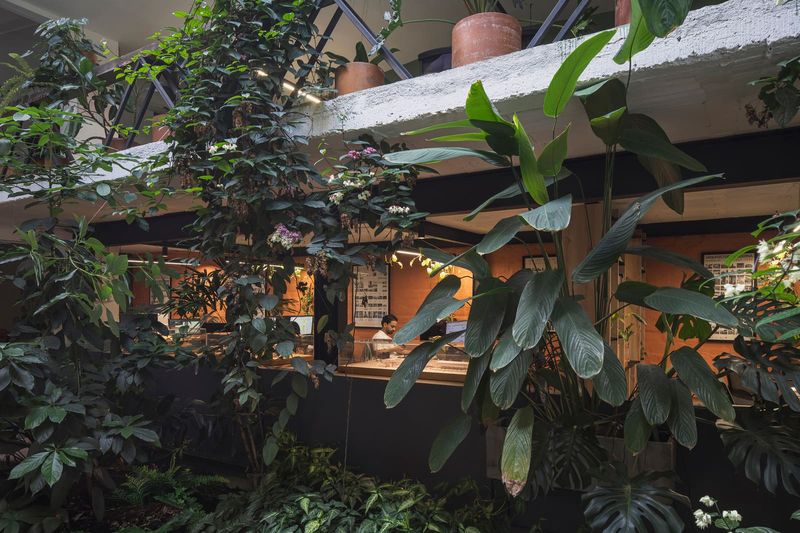
Medellín's own architectural evolution offers a case study. The city's metrocable system, library parks, and social housing projects have become reference points for equitable urbanism. Local studios have developed expertise in adaptive reuse, biophilic interiors, and low-energy building envelopes. A design fair in this context is not merely a commercial event; it becomes a venue for knowledge exchange and peer learning.
The wellness and decoration categories included in the program also reflect shifting priorities. Biophilic design, natural ventilation, and material transparency are no longer niche concerns in Latin American practice. They are increasingly baseline expectations, driven by client demand and regulatory pressure. A fair that foregrounds these themes positions itself at the intersection of market trends and environmental necessity.
What Success Looks Like
For this platform to endure, it must deliver measurable outcomes: signed contracts, established supplier relationships, and follow-on orders that extend beyond the event itself. It must also cultivate a community of return exhibitors and visitors who see the fair as an annual fixture rather than a one-time experiment.
If the gathering achieves critical mass, it could catalyze adjacent activity: satellite exhibitions, design talks, studio tours, and showroom openings timed to coincide with the fair. Medellín could become a September destination on the global design calendar, much as Milan commands June and Cologne claims January. That kind of institutional momentum takes years to build, but the infrastructure is now in place.
The real test will be whether Latin American design can assert itself on its own terms, in its own geography, without defaulting to European or North American validation. A successful fair in Medellín would signal that the region's creative industries have reached a threshold of maturity where they can set agendas, not merely respond to them.
Save this story. A free account keeps your reading list and the 07:00 email in one place.
CREATE FREE ACCOUNT →SIGN IN