
The Shift in Floor Covering Philosophy
There's a tension that runs through residential design: the desire for objects that feel precious versus the need for interiors that accommodate actual living. For decades, that tension played out most acutely underfoot. Vintage kilims and hand-knotted wool demanded reverence, transforming floors into zones of anxiety rather than comfort. The coffee cup hovered a little higher. The dog stayed off-limits. Life happened around the rug, not on it.
That calculus is changing. Advances in textile engineering and manufacturing have produced a category of floor coverings that sidestep the old binary between heirloom quality and throwaway utility. Machine-washable rugs now include high-pile constructions, natural fibers, and patterning sophisticated enough to hold its own in carefully composed rooms. The question is no longer whether a washable rug can look good, but whether there's still a reason to choose one that can't be cleaned.
Material Innovation and Construction Techniques
The earliest washable rugs leaned heavily on synthetic flatweaves, which were durable but visually limited. Polyester dominated, often in single-layer constructions that felt thin underfoot and read as budget-conscious even when they weren't. The newer wave draws on a broader palette of materials and weaving methods.
Cotton has re-entered the conversation, particularly in designs that layer low-pile, high-pile, and shag zones within a single piece. This approach creates textural variation without requiring multiple fiber types, and cotton's inherent washability makes it a logical choice for high-traffic areas. Some manufacturers are also working with New Zealand wool on recycled polyester warp, a hybrid structure that retains wool's warmth and hand while allowing for machine cleaning in commercial-size washers. Expect around five percent shrinkage, a trade-off most users find acceptable given the maintenance benefits.
Recycled PET polyester, derived from post-consumer plastic bottles, has become another common substrate. The material is dense enough to withstand abrasion and holds dye well, which expands the available color range. It also performs adequately outdoors, a useful characteristic for households that blur the line between interior and exterior zones.
Pattern, Pile, and Visual Weight
One of the more notable shifts is in surface complexity. Early adopters of washable rugs often settled for stripe or solid colorways because those were the options available. Today's offerings include Persian-inspired medallions, gradient fades, and geometric abstractions that would have required hand-knotting a decade ago. Digital printing and advanced loom programming allow for intricate patterning on synthetic substrates, while natural fibers can be dyed in sections before weaving to produce multi-tonal effects.
Pile height varies widely. Shag constructions, once the domain of vintage or luxury pieces, are now engineered for machine washing in polyester. High-pile designs add softness and acoustic dampening, though they require more frequent maintenance to prevent matting. Flatweaves remain the easiest to clean and the most forgiving under furniture, but they sacrifice some of the tactile richness that makes a rug feel like more than a surface treatment.
Textured rugs that move between pile heights within a single design offer a middle path. A cotton piece might feature a low-pile base with braided or raised stripes, creating visual interest without the bulk of a full shag. This approach also reduces shedding compared to uniform high-pile wool, a practical consideration for households with robot vacuums or allergies.
Attachment Systems and Underlay
A recurring issue with washable rugs is slippage. Lighter-weight constructions, especially flatweaves, lack the heft to stay put on hard flooring. Some manufacturers have addressed this with rubberized backings, which eliminate the need for a separate rug pad but can feel stiff underfoot. Others use a two-part system: a grip pad that remains on the floor and a textile cover that attaches via hook-and-loop fasteners. This design makes it easy to remove the top layer for washing while maintaining a stable base.
The velcro underlay approach works particularly well in homes with pets or children, where spills and accidents are routine. Detaching the cover takes seconds, and the pad itself can be wiped down or vacuumed independently. The downside is that the system adds a layer of complexity and cost, and some users report that furniture legs leave deeper imprints on the velcro-backed textiles than they would on a traditional rug.
Thinner rugs with rubber coatings skip the pad entirely. These work well under rolling office chairs or in hallways where a low profile prevents tripping hazards. The trade-off is reduced cushioning, which may matter less in a home office than in a living room where people sit or lie on the floor.
Maintenance Realities and Cleaning Protocols
The promise of machine washability is central to the category, but the execution varies. Smaller rugs, typically up to 5-by-7 feet, fit in standard residential washing machines. Larger pieces require commercial equipment, the kind found in laundromats with 60-pound capacity drums. That's still more convenient than professional cleaning, but it does mean planning a trip and potentially dealing with equipment availability.
Most manufacturers recommend cold water and a gentle cycle, with mild detergent and no bleach. Tumble drying on low heat or air fluff is common, though some natural fiber rugs should be laid flat to dry. Wool pieces may shrink slightly even with careful washing, a characteristic of the fiber rather than a manufacturing defect.
Spot cleaning often suffices for isolated stains. Blotting with a damp cloth and unscented soap handles most spills, and the ability to address a stain immediately without worrying about damaging an irreplaceable textile is one of the category's main appeals. For households with pets, that immediacy can make the difference between a cleanable incident and a permanent odor problem.
Vacuuming remains necessary, though the frequency depends on pile and fiber. Flatweaves and low-pile constructions can be vacuumed weekly without issue. High-pile shag may require a hand vacuum or a machine with the beater bar disabled to prevent fiber damage. Some users with robot vacuums report that the machines get tangled in soft fibers, which means rolling up the rug before running the device or switching to manual cleaning.
Aesthetic Integration and Design Flexibility
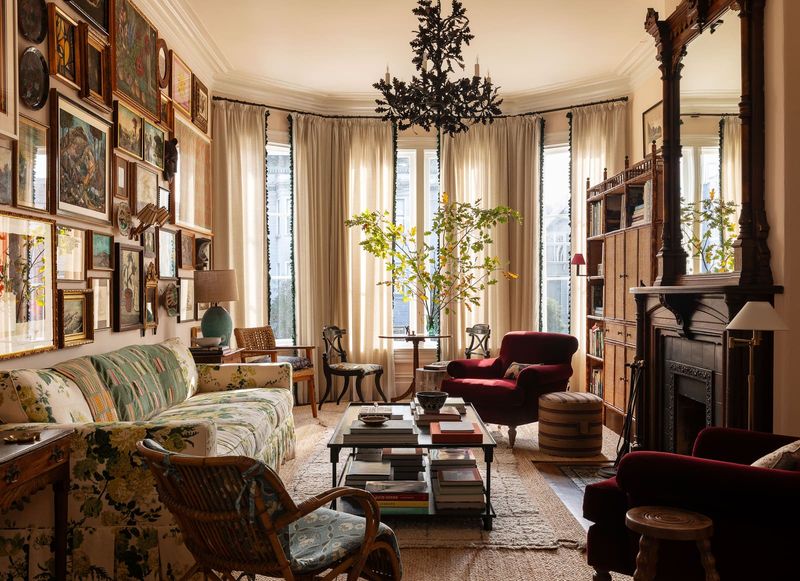
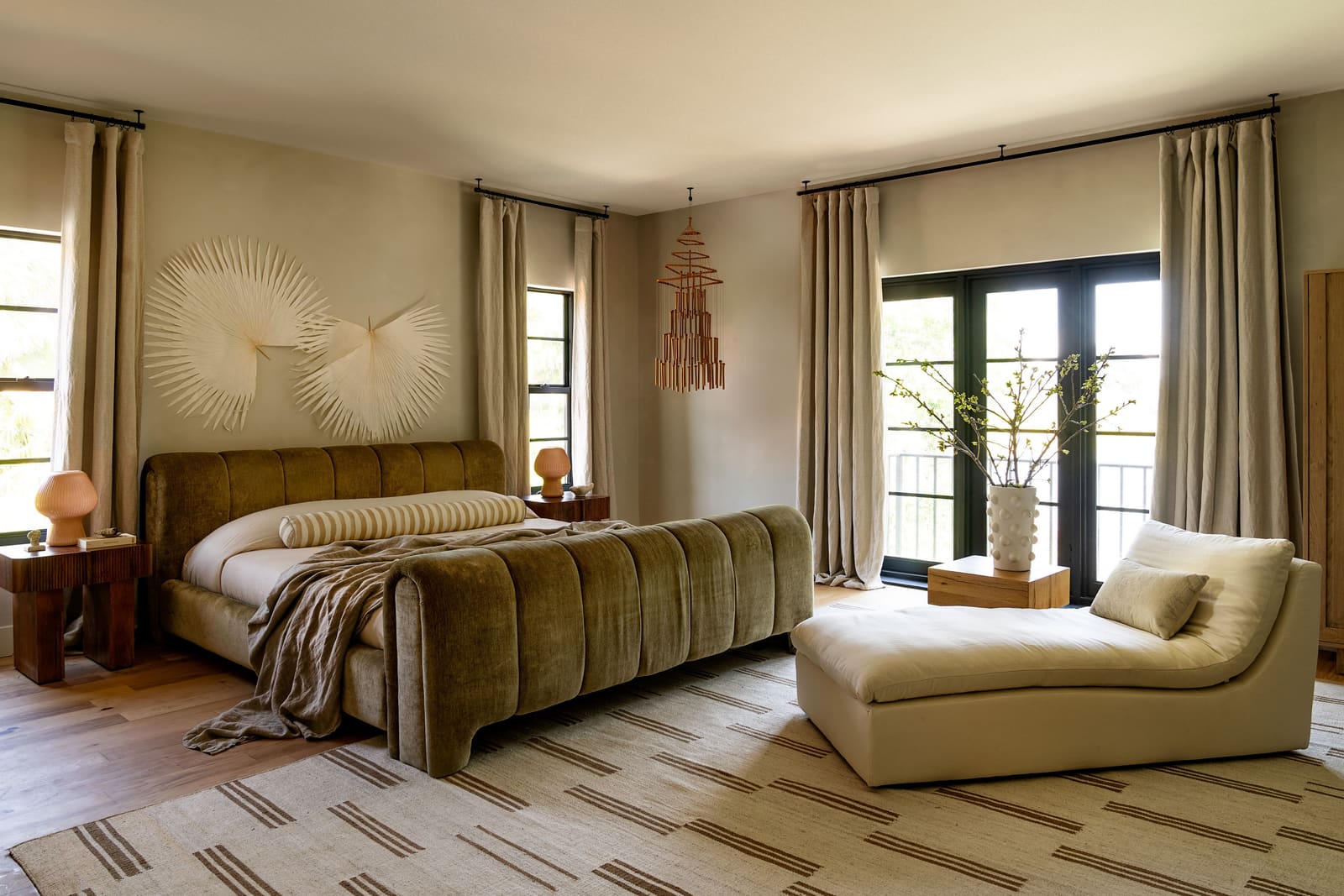
The question of whether a washable rug looks like a washable rug is less relevant now than it was five years ago. Polyester flatweaves can mimic the hand of linen or jute well enough that most guests won't notice the difference. Cotton pieces with varied pile heights read as artisanal, especially when edges are finished with hand-braided details. Even shag constructions, which used to signal either vintage luxury or dorm room practicality, now occupy a middle ground where they feel current without trying too hard.
Color selection has expanded significantly. Neutrals remain popular, particularly in beige, cream, and gray families that pair easily with existing palettes. But gradient designs, jewel tones, and earth-inspired hues have become more common, allowing for washable rugs that function as focal points rather than background elements. Reversible designs, with distinct patterns on each side, add flexibility for users who like to refresh a room without buying new textiles.
Shape variety has also improved. Beyond the standard rectangle, washable rugs are now available in runners, rounds, and ovals. This makes them viable for entryways, under dining tables, and in awkward transitional spaces where a custom size would once have been the only option.
The Broader Context: Textile Waste and Consumer Behavior
The rise of machine-washable rugs intersects with larger conversations about textile waste and the lifecycle of home goods. Traditional rugs, particularly those made from natural fibers with complex constructions, can last decades if maintained properly. But they also require professional cleaning, moth prevention, and careful storage, all of which add cost and inconvenience. Many consumers, especially those in rental housing or early in their design journeys, opt for cheaper synthetic rugs that get discarded after a few years.
Washable rugs occupy an interesting middle space. They're not heirlooms, but they're also not disposable. A well-made polyester flatweave or cotton shag can last five to ten years with regular washing, which is longer than many budget rugs but shorter than a hand-knotted wool piece. The ability to refresh them at home extends their usable life, and materials like recycled PET polyester give them a sustainability angle that pure virgin synthetics lack.
Whether this represents a net positive for the environment depends on usage patterns. A washable rug that gets cleaned regularly and used for a decade is preferable to a series of cheap rugs that end up in landfills. But if the ease of washing encourages more frequent replacement, driven by trend cycles rather than wear, the calculus shifts.
Practical Considerations for Specification
For designers and homeowners evaluating washable rugs, a few factors consistently emerge as decision points. First, size matters. If the rug won't fit in a home washing machine, the convenience factor diminishes unless there's easy access to commercial equipment. Second, the presence of pets or children often tips the balance toward washable options, particularly in homes where accidents are frequent. Third, the room's function influences the choice. A dining room rug under a table sees spills; a bedroom rug under a bed does not.
Furniture weight also plays a role. Heavy pieces like sectional sofas can leave lasting imprints on high-pile washable rugs, especially those with velcro underlays. Rubbing the fibers manually can restore the surface, but it's an extra step. In contrast, flatweaves and low-pile constructions handle furniture better and show less wear over time.
Finally, there's the question of aesthetic ambition. If the goal is a room that feels collected and layered, with textiles that carry visual weight, some washable rugs will meet that bar and others won't. The category has matured enough that compromises are smaller than they used to be, but they haven't disappeared entirely. A hand-knotted Persian rug still has a depth and irregularity that most machine-made pieces can't replicate, washable or not.
Where the Category Goes Next
At World Archi Design, we've been tracking the evolution of washable textiles across multiple product categories, and rugs represent one of the more successful applications of the technology. The next frontier will likely involve even more natural fibers, as manufacturers work out how to make wool, jute, and sisal more wash-friendly without sacrificing their inherent characteristics. We're also seeing early experiments with modular rug systems, where individual tiles can be swapped out and cleaned separately, a concept borrowed from commercial flooring but adapted for residential use.
Color-safe bleach and stain-resistant treatments are becoming more common, extending the range of what qualifies as cleanable. Some brands are exploring antimicrobial finishes, though the long-term environmental and health implications of those treatments remain under scrutiny.
The broader trend is toward textiles that accommodate life rather than dictate it. That doesn't mean every rug needs to be washable, but it does mean that washability is no longer a niche feature reserved for utility spaces. It's a legitimate design choice, one that reflects a shift in how we value our time, our possessions, and the spaces we inhabit daily.
Save this story. A free account keeps your reading list and the 07:00 email in one place.
CREATE FREE ACCOUNT →SIGN IN