
The New Economics of Home Furnishing
There's a particular kind of restraint required in contemporary home furnishing that would have been unthinkable a generation ago. Where previous decades saw homeowners commit to large purchases with the understanding that furniture represented long-term investment, today's market operates on a different logic entirely. The proliferation of direct-to-consumer brands, seasonal clearances, and collaboration releases has created an environment where timing matters as much as taste.
This shift reflects broader changes in how we think about domestic space. The notion that a dining table or sofa should last thirty years has given way to something more fluid, a recognition that our aesthetic preferences evolve faster than the objects themselves wear out. The market has responded accordingly, with retailers now operating on cycles of perpetual discount that make waiting not just prudent but expected.
Objects That Earn Their Place
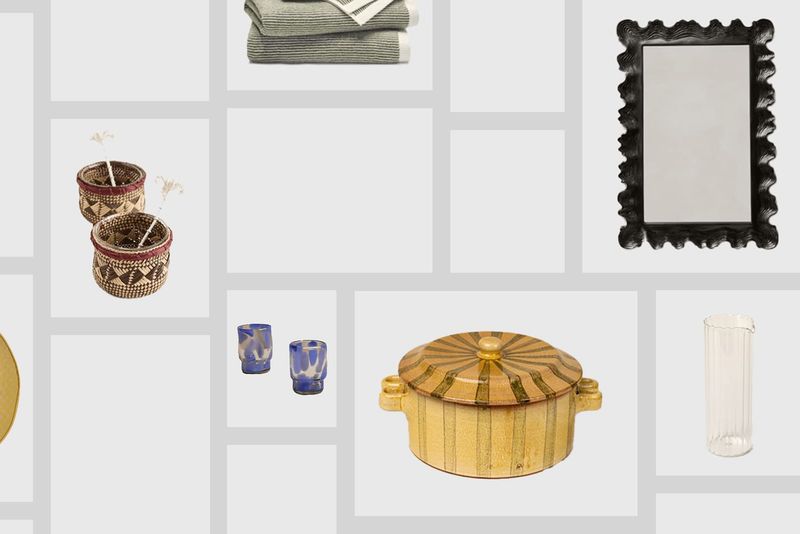
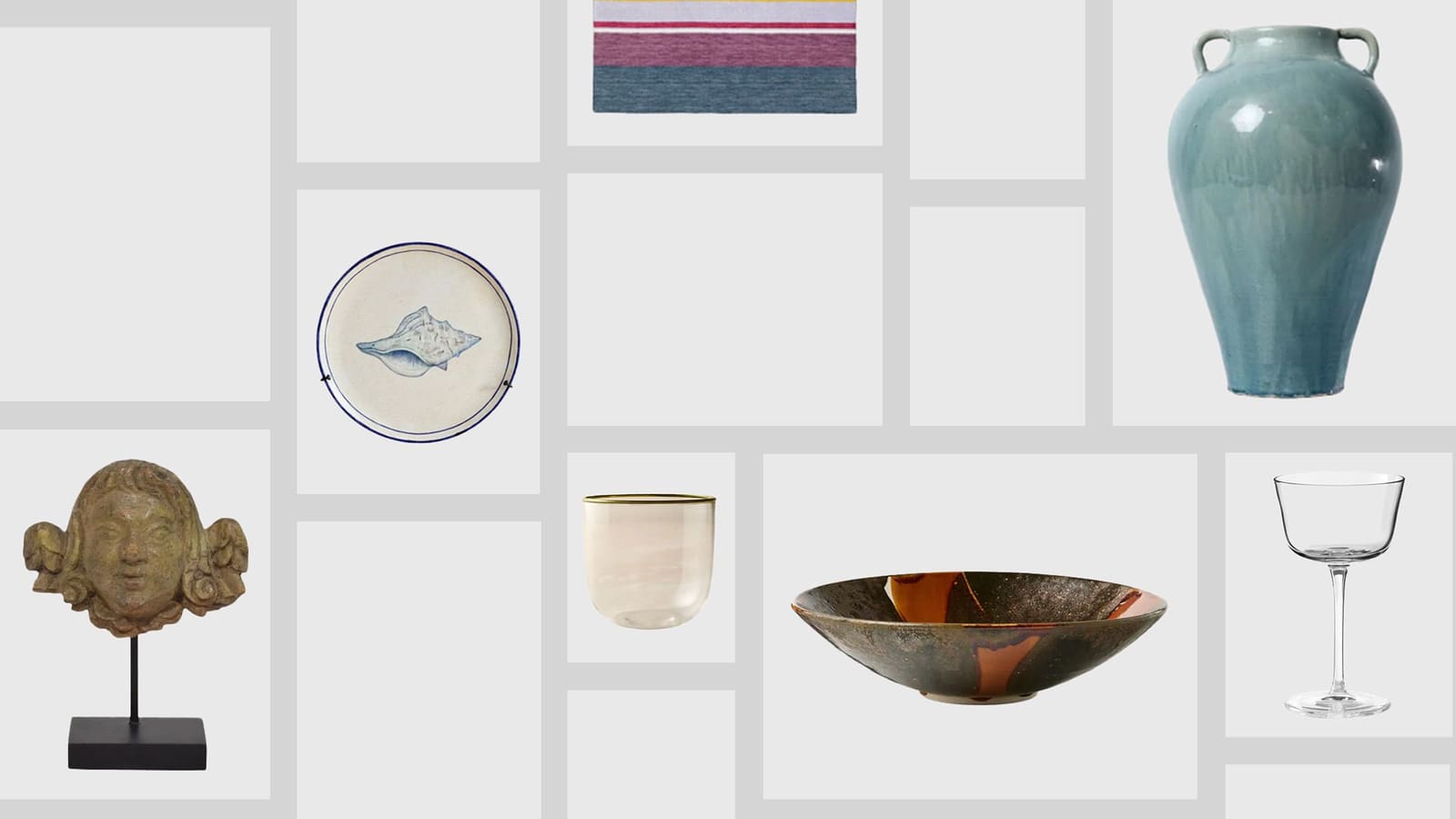
Consider the case of glazed ceramics, which have experienced a renaissance in recent years. Portuguese artisans working with reactive glazes produce vessels that straddle the line between functional object and sculptural statement. These pieces, handcrafted with metallic layering techniques, demonstrate how contemporary makers are reviving traditional methods while answering to modern sensibilities about materiality and presence.
The appeal lies in their versatility. A bowl finished with reactive glaze can anchor a coffee table arrangement, hold fruit on a kitchen counter, or provide textural contrast on an otherwise minimal shelf. This kind of multifunctionality has become essential as living spaces shrink and the tyranny of single-use objects falls out of favor.
Similarly, the renewed interest in travertine speaks to our ongoing fascination with materials that carry geological weight. A mortar and pestle carved from travertine by Mexican artisans becomes more than a kitchen tool. It's a statement about craft, about the value of objects made by hand using techniques passed down through generations. Whether or not you're actually grinding cumin seeds becomes almost beside the point.
The Textile Question
Bedding presents its own set of considerations. The debate between percale and sateen weaves continues to divide sleepers, but recent innovations in washed percale have softened what was once a rigid distinction. Traditional percale offered crispness at the cost of initial stiffness, a quality that deterred those seeking immediate comfort. Newer iterations treat the fabric before sale, achieving a broken-in feel while maintaining the breathability that hot sleepers require.
Scalloped detailing on pillowcases represents another subtle shift in bedroom aesthetics. The embellishment provides visual interest without overwhelming an otherwise neutral palette, a solution for those who find all-white bedscapes sterile but resist pattern. It's the kind of quiet design move that signals attention to detail without announcing itself.
Bath textiles present different challenges. Ultra-plush Turkish cotton towels offer cushioned luxury but retain moisture in ways that prove problematic for bathrooms lacking ventilation. Medium-weight alternatives, particularly those with Japanese-inspired graphics, provide adequate absorbency while drying faster between uses. For households where multiple showers per day are standard, this becomes a practical rather than purely aesthetic concern.
Functional Glassware and the Art of Consolidation
Space constraints and budget realities have made multipurpose glassware essential. The coupe glass, with its broad shallow bowl and elegant stem, handles martinis, wine, and specialty cocktails with equal competence. This versatility matters in smaller homes where cabinet space is limited and the idea of maintaining separate vessels for every beverage category becomes untenable.
Fluted carafes serve a similar consolidating function. Originally designed for water service, they adapt easily to batch cocktails, bringing a measure of ceremony to casual entertaining. The thin olive rim on certain water glasses offers another example of how subtle design choices communicate taste without ostentation, the kind of detail that registers subconsciously rather than demanding attention.
Textile Accessories and Seasonal Transitions
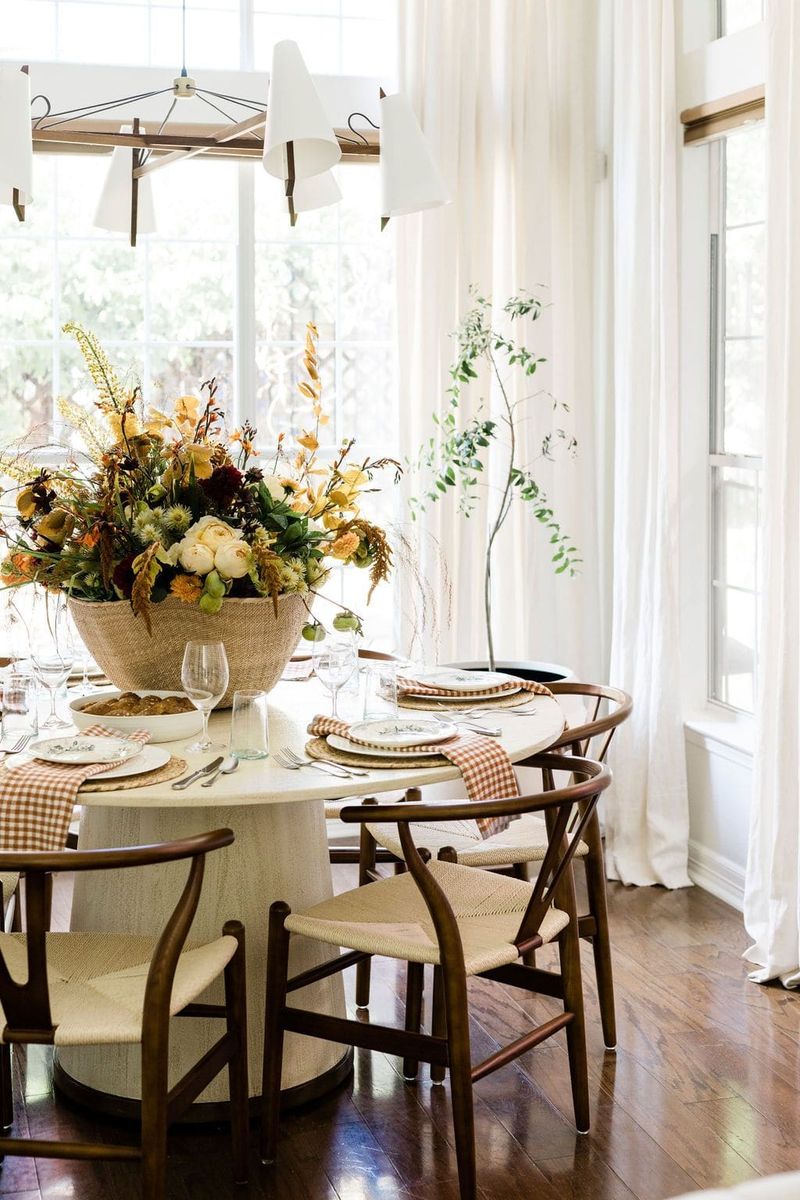
Cotton napkins in warm-toned checks facilitate the shift from summer to autumn tablescapes. The Madras pattern, with its irregular plaid and faded quality, carries associations with both Indian textile traditions and American prep aesthetics. This dual heritage makes it adaptable, equally at home in a coastal cottage or urban dining room.
Linen napkins paired with resin-beaded rings introduce playfulness into formal table settings. The combination of natural fiber and bright synthetic accent suggests an approach to entertaining that values personality over rigid protocol. These are the details that prevent a dinner table from feeling like a showroom display.
Seating as Sculptural Element
Swivel chairs upholstered in mushroom-toned fabric exemplify how seating can function as both furniture and focal point. The rotation mechanism adds kinetic possibility to static arrangements, while neutral upholstery ensures the piece won't clash as surrounding elements change. This kind of anchor furniture rewards investment because it adapts to evolving contexts rather than dictating them.
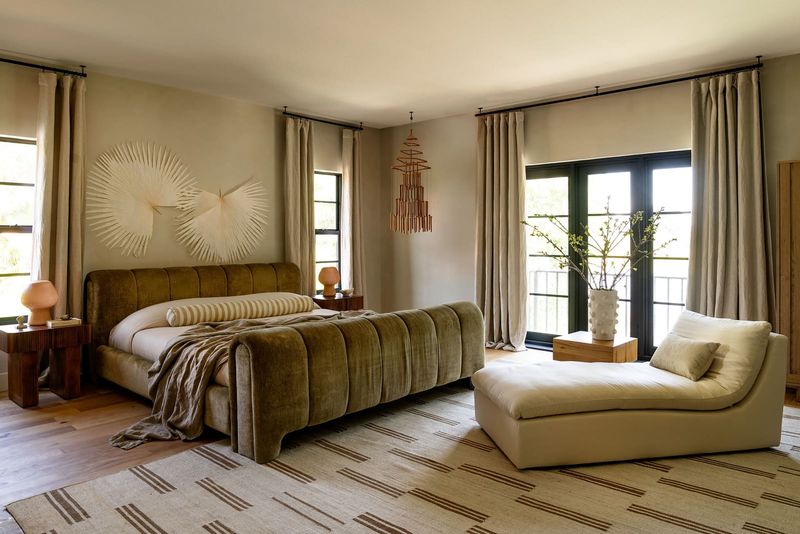
Cylindrical bolster pillows serve a similar sculptural function in bedroom settings. Their elongated form draws the eye across the width of the bed, creating horizontal emphasis that can make a space feel larger. Velvet iterations add tactile warmth without requiring additional layers or pattern, a particularly useful quality in minimally decorated rooms.
The Storage Imperative
Woven rattan hampers in graduated sizes address the perpetual challenge of concealing domestic disorder. The largest, standing over two feet tall, can swallow substantial laundry accumulation while maintaining the appearance of intentional decor. Smaller versions adapt to bathroom storage needs, holding rolled towels or extra toilet paper in a way that suggests considered design rather than pragmatic necessity.
Flatwoven runners in patchworked designs bring visual warmth to transitional spaces like hallways and kitchens. The relaxed construction and neutral palette prevent these pieces from reading as precious, an important quality for high-traffic areas where perfection is impossible to maintain. They're the kind of practical textiles that make a space feel inhabited rather than staged.
Investment Pieces and Historical Fragments
Seventeenth-century ceramic fragments occupy a different category entirely. These historical objects, often architectural salvage from European buildings, function as standalone sculpture in entryways or on consoles. Their appeal lies partly in their provenance, partly in their formal qualities, the way light catches a glazed surface or a carved angel's wing creates shadow.
Such pieces represent a counterpoint to the disposable nature of contemporary furnishing culture. Where most household objects are expected to be replaced within a decade, these fragments have survived centuries. Incorporating them into domestic settings creates temporal layering, a conversation between historical craft and present-day aesthetics.
The Anchoring Power of Rugs
Handwoven wool rugs certified by the Responsible Wool Standard demonstrate how sustainability concerns are reshaping textile production. Striped designs offer versatility across changing color schemes, a practical consideration given that floor coverings represent significant investment. The ability to retain a rug through multiple aesthetic phases makes neutral patterns particularly valuable.
Clean-lined wood coffee tables provide similar anchoring function in living spaces. Substantial construction and minimal detailing ensure these pieces read as foundational rather than decorative. The current preference for natural wood tones over painted finishes reflects broader interest in material honesty, a desire to see what something is made from rather than disguising it.
Reflective Surfaces and Spatial Illusion
Mirrors inspired by coral forms, crafted from resin fiberglass, bring organic geometry to wall surfaces. These statement pieces serve the practical function of reflecting light while acting as sculptural objects in their own right. The biomimetic approach, drawing formal inspiration from natural structures, connects to larger conversations about biophilic design and our psychological need for nature references in built environments.
Silver-plated candleholders offer another opportunity to manipulate light and create vertical interest. Height matters in interior composition, and tall tapers in high-gloss holders draw the eye upward, making rooms feel more spacious. These are the kind of small interventions that accumulate into atmospheric effect.
The Ritual Objects of Daily Life
Certain purchases transcend pure utility to become part of domestic ritual. Metal cocktail picks with sculptural handles turn drink preparation into a small ceremony. Cork coasters that slide satisfyingly across table surfaces combine function with tactile pleasure. These micro-interactions shape how we experience our homes, creating moments of delight in otherwise mundane activities.
Candles too beautiful to burn occupy an ambiguous category between decor and consumable. Their value lies partly in potential use, partly in appearance. This tension between preservation and consumption reflects our complicated relationship with luxury goods, the guilt of leaving something unused competing with reluctance to destroy it.
Forward Considerations
The current moment in home furnishing rewards those who can distinguish between trend and lasting design. The proliferation of options makes curation more important than acquisition. As direct-to-consumer brands continue to proliferate and traditional retailers adapt their strategies, the gap between list price and actual selling price will likely widen further.
This creates opportunity for patient shoppers but also raises questions about value perception. When discounts become the norm rather than the exception, how do we assess what something is actually worth? The answer may lie less in price points than in material quality, construction methods, and the longevity of design. Objects that earn their place through daily use rather than initial impact will always justify their cost, regardless of the discount that brought them home.
Save this story. A free account keeps your reading list and the 07:00 email in one place.
CREATE FREE ACCOUNT →SIGN IN