The Case for Restraint in a Season of Sales
Furnishing a home is not an act of completion but one of accumulation. Over months and years, we layer objects that reflect evolving taste, practical need, and moments of clarity about what truly belongs. The challenge lies not in finding things to buy but in recognizing which pieces deserve a place in the longer narrative of a space.
This week's furniture and decor offerings present an interesting study in that tension. Among the usual parade of markdowns, certain items stand apart, not because they are inexpensive but because they suggest a different relationship with domestic objects. They are handcrafted, regionally rooted, or designed with enough restraint to outlast trend cycles. The question is whether we can distinguish between what we want in the moment and what we will value over time.
Texture as Architecture
A disc pillow featuring a checkerboard motif from Lulu & Georgia exemplifies how pattern can be rendered with enough subtlety to avoid visual fatigue. The design has been ubiquitous in recent years, yet this iteration sidesteps cliché by keeping the scale measured and the tonal contrast low. It functions less as a statement piece than as a textural anchor, the kind of object that holds its ground without demanding attention.
Similarly, a woven calf hair lumbar pillow from Arhaus operates in the realm of tactile intrigue. The delicate weaving technique transforms an animal hide into something that reads more like textile art than rustic decor. Placed on a linen armchair or a leather sofa, it introduces an element of the unexpected without tipping into eccentricity. These are the sorts of pieces that reward close observation, the kind you notice only after living with them for weeks.
The Enduring Appeal of Handcraft
Travertine has long been a favorite material in both ancient and contemporary design for its warmth and geological presence. A mortar and pestle crafted from this stone, handmade by artisans in Mexico, is currently available through Obakki. The piece is substantial enough to function as kitchen sculpture, even if its primary role is decorative. The weight of the stone and the irregularities inherent in hand-carving give it a presence that mass-produced alternatives cannot replicate.
Elsewhere, a pitcher wrapped in woven palm leaves, also from Obakki, demonstrates how traditional craft techniques can elevate everyday serveware. The integration of natural fiber adds both visual texture and a narrative dimension. Each purchase from the brand supports indigenous makers working with historic methods, a model that positions commerce as a mechanism for cultural preservation rather than extraction.
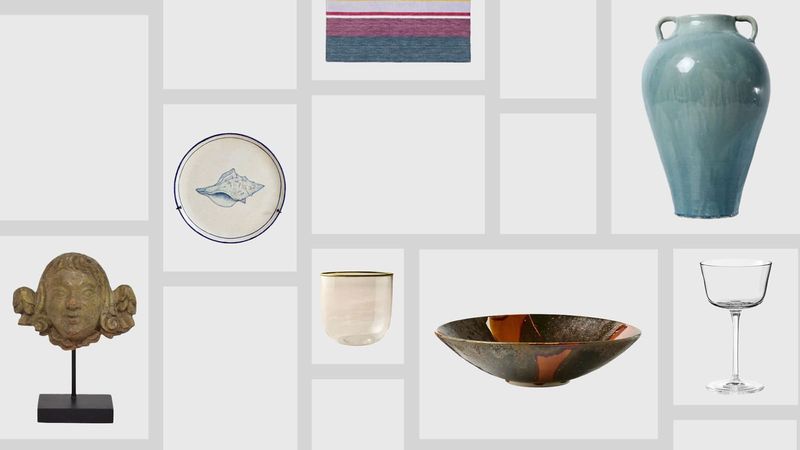
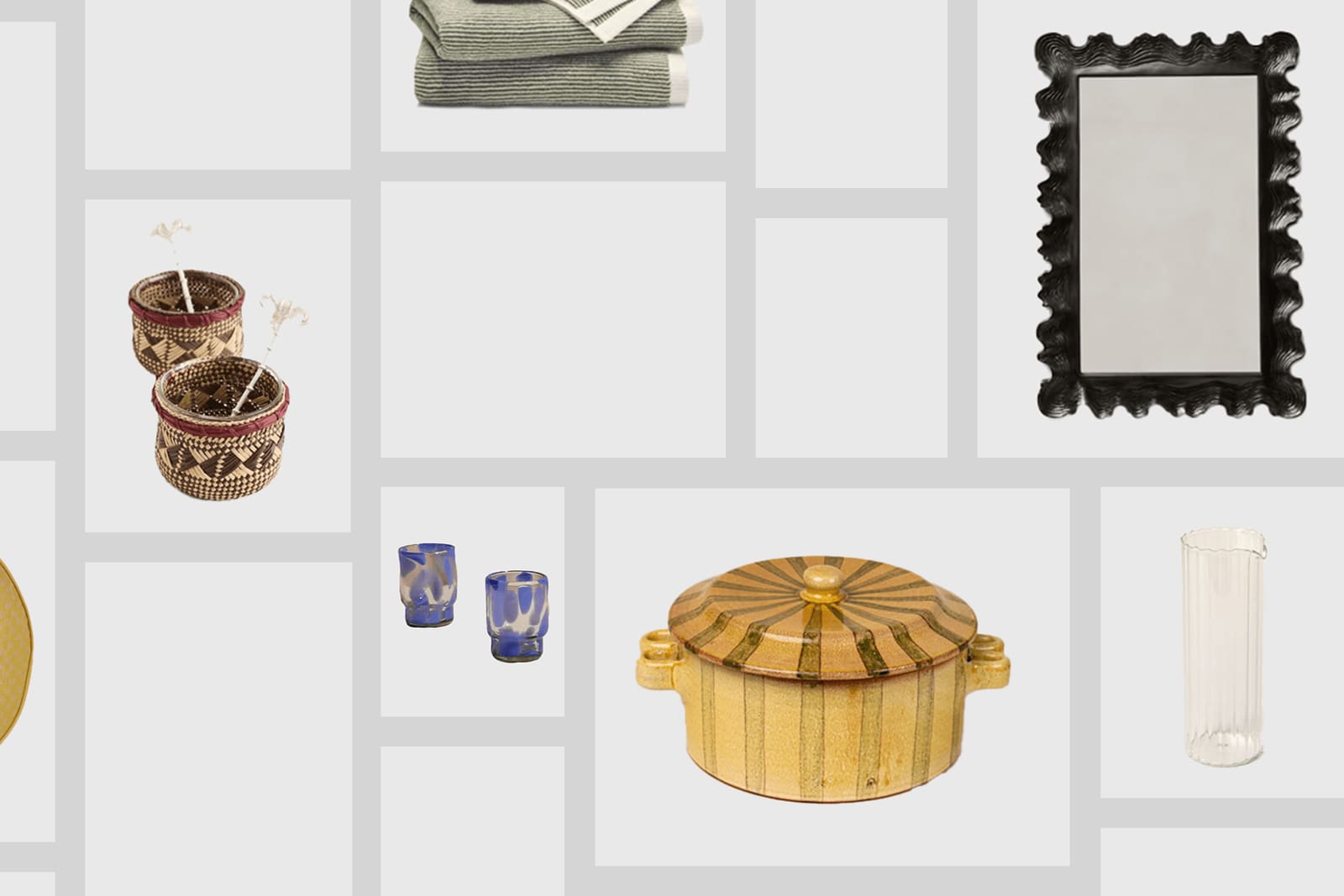
Handblown Mexican glassware, available in sets of four through Nordstrom, carries similar weight. The slight variations in form and thickness that result from the blowing process are not flaws but evidence of human involvement. On a minimalist table, these glasses provide the necessary irregularity to keep the composition from feeling sterile.
Furniture That Resists Obsolescence
A birch chair from Frama, part of the brand's annual archive sale, embodies the Scandinavian ethos of material honesty and functional clarity. The warm brown tone of the wood is achieved through careful selection rather than stain, and the joinery is visible, an intentional display of construction logic. This is furniture that does not rely on novelty for its appeal. It will look coherent in a decade because its design language is rooted in principles rather than trends.
Similarly, a coffee table from Thuma employs Japanese joinery techniques and solid wood construction to create a piece that is both minimal and substantial. The open lower shelf invites display, whether of books, ceramics, or nothing at all. The table does not impose a particular aesthetic but rather adapts to the objects and context around it. This kind of flexibility is rare and valuable in furniture, particularly in pieces designed for central placement in a room.
A bobbin-style side table from McGee & Co., currently offered at a significant discount, brings a note of farmhouse vernacular into contemporary settings without relying on distressed finishes or overt nostalgia. The turned wood silhouette is clean enough to integrate into modern interiors while retaining the character of its historical precedent.
Tabletop as Composition
Dinnerware and serveware occupy a unique position in domestic design. They are functional objects used daily, yet they also shape the visual experience of meals and gatherings. A ceramic plate from Carolina K, influenced by traditional Mexican design, introduces color and pattern in a format that can be mixed with simpler pieces or used as a focal point in a monochromatic table setting.
Porcelain shell plates from Gohar World, now available at a reduced price, take a more sculptural approach. The form references natural objects while remaining unmistakably designed. They are ideal for dishes that benefit from visual elevation, particularly seafood preparations where the plate becomes an extension of the presentation.
A set of Ikat-inspired cloth napkins from Coniglio Palm Beach offers an accessible entry point for those looking to add pattern without committing to large-scale textiles. The napkins can animate an otherwise restrained tablescape or complement more elaborate settings. Linen and cotton blends in this category tend to soften with repeated washing, improving over time rather than degrading.
Glassware and the Ritual of Serving
A fluted carafe from East Fork, designed for batch cocktails, exemplifies how glassware can shape the rituals around drinking and hosting. The vertical ridges catch light and add visual interest, while the proportions are scaled for practicality rather than spectacle. This is the kind of object that becomes integrated into routine use, not reserved for special occasions.
Murano glassware in swirling navy tones, available through Moda Opeandi, brings Mediterranean color into the domestic sphere. The technique of layering colored glass to create depth and movement is centuries old, yet the result feels contemporary when paired with minimal tableware. These are glasses that can anchor a table setting or stand alone as objects worth noticing.
Stainless steel cocktail picks from West Elm, part of the brand's Solei collection, demonstrate how small details contribute to the overall experience of a meal or gathering. The weight and finish of the metal elevate the act of serving, transforming a functional gesture into something more deliberate.
Storage as Design Opportunity
A set of three rattan hampers from Serena & Lily addresses the perennial challenge of concealing household necessities without resorting to plastic bins or utilitarian solutions. The largest basket stands over two feet tall, sufficient for a week's worth of laundry, while the smallest can hold bathroom essentials. Rattan ages well, developing a patina that adds character rather than signaling wear.
A rivergrass table runner from Hawkins New York, priced under forty dollars, offers a low-investment way to introduce natural fiber into a kitchen or dining space. The material is durable and improves with use, softening slightly while retaining its structure. It is the kind of piece that can transform a standard table into something more considered without requiring a complete overhaul.
The Slow Build
At World Archi Design, we have long advocated for a slower, more intentional approach to furnishing. The impulse to fill a space quickly often results in collections of objects that do not cohere, purchased because they were available or affordable rather than because they served a clear purpose or vision. The alternative is not perfectionism but patience, a willingness to live with incompleteness until the right piece reveals itself.
This week's sales include items that reward that kind of patience. They are designed to last, both materially and aesthetically. They reference craft traditions, employ durable materials, and avoid the visual shortcuts that make objects feel dated within a season. The discount is incidental; the value lies in the object itself.
Furnishing a home is an ongoing negotiation between need, desire, and constraint. The best outcomes emerge not from a single purchase but from a series of thoughtful decisions, each one informed by an understanding of how objects interact with space, light, and daily life. These sales offer an opportunity to practice that discernment, to choose pieces that will continue to make sense long after the markdown expires.
Save this story. A free account keeps your reading list and the 07:00 email in one place.
CREATE FREE ACCOUNT →SIGN IN