
A Sequence of Encounters
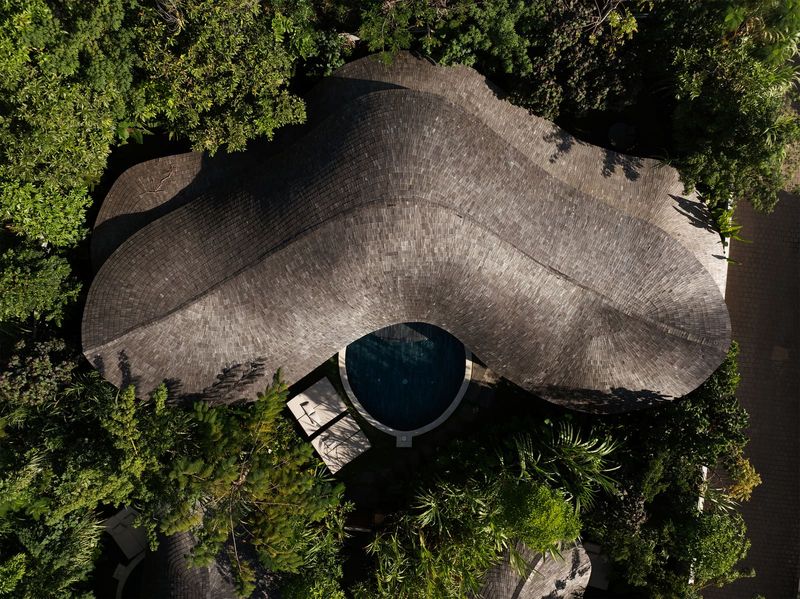
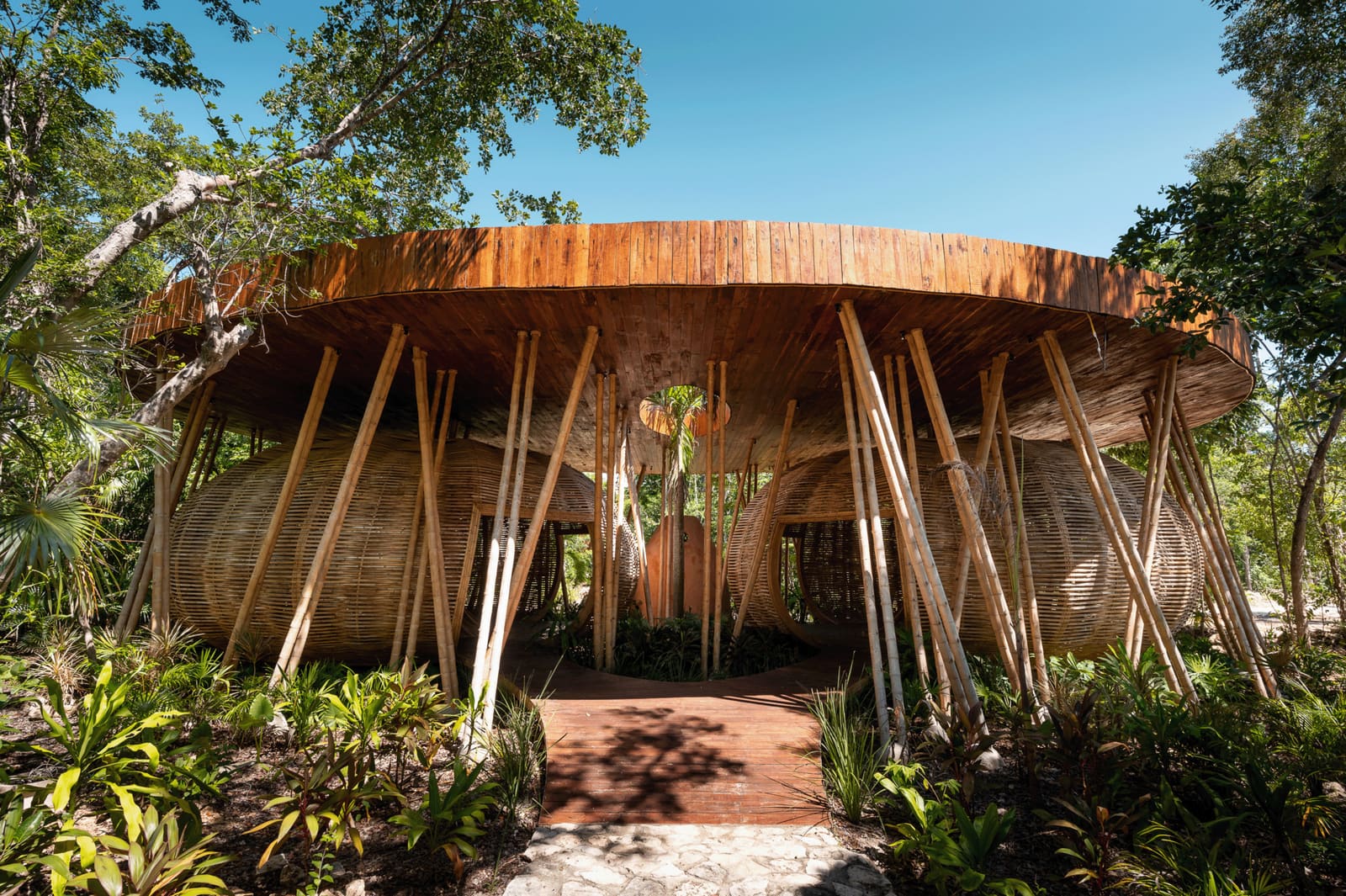
Kaybé Multisensory Park, completed in 2022 by Arquitectura Mixta, occupies 800 square metres of tropical jungle in Tulum, Mexico. The project comprises a series of bamboo structures that function less as conventional park amenities and more as spatial instruments, each calibrated to heighten a visitor's awareness of the surrounding environment. The design team, led by Mauricio Casian, Claudia Vallejo, Abraham Bernal, Michel L'Eglise, Alejandra Ibujes, and Javier UMA Creuheras, conceived the park as an immersive architectural experience, one that positions the visitor within a dialogue between constructed form and the dense vegetation of the Yucatán Peninsula.
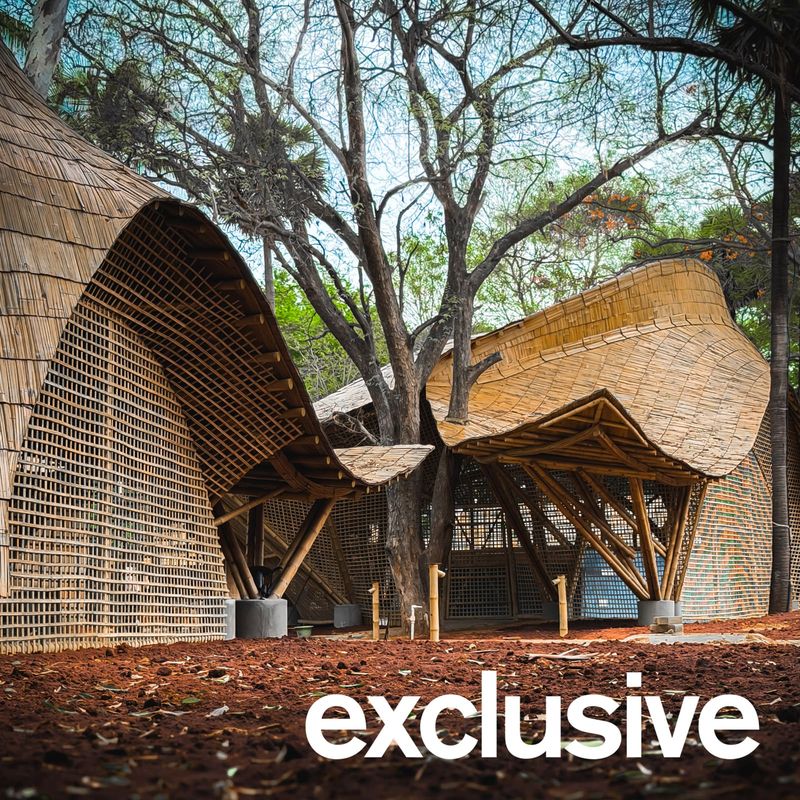
The use of bamboo here is neither decorative nor merely sustainable by default. Bamboo's structural properties, its tensile strength relative to weight, and its capacity for rapid growth make it a material suited to temporary or semi-permanent installations in tropical climates. Yet Arquitectura Mixta deploys it sculpturally, shaping pavilions that read as volumetric gestures rather than utilitarian shelters. Each structure in the sequence operates as a threshold, a moment of compression or release that modulates how light, shadow, sound, and air move through the site.
Material and Tectonic Logic
The bamboo elements are not treated as a vernacular pastiche. Instead, the design employs a tectonic language that acknowledges the material's inherent geometry: cylindrical members, bundled or spaced, create rhythmic patterns that filter views and dapple sunlight. The engineering, handled by Esteban Morales Engineering with civil work by Grupo Emerita and additional consulting by Technotense, ensures that these sculptural forms remain stable in a region prone to humidity, salt air, and occasional high winds.
The structural strategy relies on repetition and modularity. Individual bamboo poles are lashed or bolted into frames that can be assembled, disassembled, or reconfigured. This approach recalls precedents such as Simón Vélez's work in Colombia, where bamboo is treated as a primary structural material capable of spanning significant distances. Yet where Vélez often pursues monumental scale, Arquitectura Mixta opts for intimacy, creating pavilions that frame small clearings or guide movement along narrow paths.
The park's 800-square-metre footprint is modest, yet the design maximises spatial variety within that constraint. Visitors move through a series of chambers, each defined by a different configuration of bamboo: vertical arrays that evoke a forest within a forest, horizontal lattices that create canopies, and diagonal bracing that introduces dynamic tension. The effect is cumulative, building a sense of progression that is both physical and perceptual.
Energy and Perception
The project's stated exploration of "energy" is not metaphysical rhetoric but a design principle rooted in how the body registers environmental stimuli. The park's sequence is choreographed to shift sensory emphasis: from visual focus in open clearings to acoustic attention in enclosed pavilions, from the tactile warmth of sunlit bamboo to the coolness of shaded ground. This is architecture that operates through contrast and variation, using the jungle as both backdrop and active participant.
The tropical setting of Tulum provides a rich sensory palette. The density of vegetation, the humidity, the ambient sound of insects and birds, all contribute to an environment that is already highly charged. Arquitectura Mixta's intervention does not compete with this richness but instead creates moments of framing and focus. A pavilion might isolate a particular tree, or a pathway might align with a distant view, drawing attention to elements that would otherwise blend into the visual noise of the jungle.
This approach has parallels in the work of practices such as RCR Arquitectes, whose projects in Catalonia similarly use minimal interventions to heighten awareness of landscape. Both practices share an interest in architecture as a mediating device, a tool for sharpening perception rather than dominating a site.
Context and Precedent
Tulum has become a contested site in recent years, with rapid development pressuring both ecological systems and cultural heritage. Kaybé Multisensory Park positions itself within this context not as a critique but as an alternative model: small-scale, materially responsive, and designed for temporary occupation rather than permanent enclosure. The park does not seek to preserve the jungle in amber but instead proposes a way of inhabiting it that is provisional and light-footed.
The use of bamboo in Latin American architecture has a long lineage, from Oscar Hidalgo López's research in Colombia to contemporary practices such as Studio Cardenas Conscious Design in Costa Rica. Arquitectura Mixta's contribution lies in its synthesis of structural ambition and sensory intention, creating a project that is both tectonically rigorous and experientially nuanced.
The park's completion in 2022 places it within a broader moment of interest in biophilic design and immersive landscapes, yet it avoids the pitfalls of that discourse: the tendency toward spectacle, the reliance on technology, the conflation of sustainability with marketing. Kaybé is modest in scale and direct in execution, qualities that allow the material and the site to speak without mediation.
A Model for Provisional Architecture
What Kaybé Multisensory Park offers is a template for architecture that engages landscape without claiming permanence. The bamboo structures will weather, degrade, and eventually require replacement or removal. This impermanence is not a failure but a feature, a recognition that architecture in ecologically sensitive contexts might benefit from a lighter touch, a willingness to leave fewer traces.
The project demonstrates that sculptural ambition and environmental responsibility need not be opposed. By working with a renewable material, by minimising site disturbance, and by designing for disassembly, Arquitectura Mixta has produced a park that is both formally inventive and contextually appropriate. The 800-square-metre site becomes a laboratory for testing how architecture can mediate between human experience and natural systems, a question that will only grow more urgent as development pressures intensify across tropical regions.
Save this story. A free account keeps your reading list and the 07:00 email in one place.
CREATE FREE ACCOUNT →SIGN IN