
Circular tourism is emerging as a transformative model in the global travel industry, moving beyond symbolic eco-initiatives to measurable practices that reduce waste, optimize resources, and regenerate natural systems. With mounting economic evidence and shifting traveler expectations, the approach is positioning itself as a critical pathway for the sector’s future growth and resilience.
When holidays stop costing the Earth!
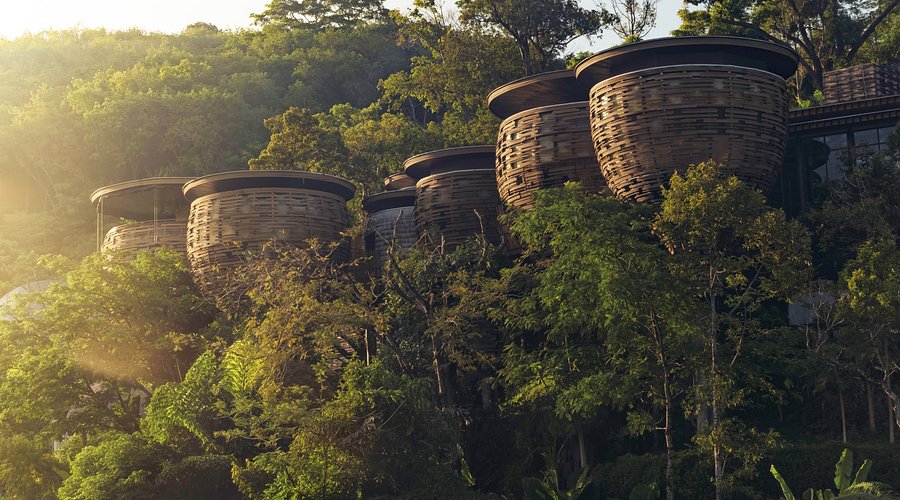
On a small island in southern Thailand, a resort kitchen has a rule: Every banana peel, fish bone, and coffee ground has an afterlife. Waste is weighed, logged, and turned into compost that feeds a community garden. Electricity runs on a mix of solar and recovered heat from the air-conditioning system.
Guests barely notice the backstage operations, but the hotel’s energy bills have dropped 30% in three years, and its reviews are full of praise for “eco-logic, not eco-luxury.”
Welcome to circular tourism, the new operating system of travel that promises not just to green your holiday, but to rewire how the industry makes, spends, and reuses resources.
What makes “circular” different from “eco”?
For decades, tourism has borrowed the vocabulary of sustainability: eco-resorts, green hotels, carbon-neutral pledges. But much of it has been cosmetic - paper straws, bamboo toothbrushes, polite requests to reuse towels.
Circular tourism also draws from the circular economy, a framework defined by three principles: Design out waste and pollution; Keep products and materials in use; and Regenerate natural systems.
In practice, this means designing hotels and tours so that waste never exists in the first place; materials are looped back into circulation; and local ecosystems - reefs, forests, rivers, are actively restored rather than passively “minimized.”

The size of the Problem
Tourism, while celebrated as a growth engine, is also a heavy consumer of resources. According to the UN World Tourism Organization, the sector accounts for about 8 percent of global greenhouse gas emissions, driven largely by transport, accommodation, and food services.
Hotels alone are responsible for approximately 1 percent of worldwide emissions, a figure expected to rise in line with demand. Waste generation compounds the issue: the average tourist produces over 1 kilogram of solid waste per day, often in destinations where local waste management systems are already under strain. Water consumption also runs high, with some resort properties using more than 1,500 liters per guest-night - five times the local per capita average.
Taken together, these numbers underscore why tourism is increasingly viewed not just as a beneficiary of sustainable development but as a critical arena for systemic change.

How does circular tourism work?
Circular tourism unfolds through three interlinked principles.
The first is designing out waste, from the hotel that replaces single-use toiletries with refillable dispensers to kitchens that build menus around seasonal, local supply chains to cut packaging and transport miles.
The second is keeping materials in play, which can mean composting food scraps on site for use in gardens, filtering greywater to reuse in landscaping, or adopting service models where linens are retained and maintained by suppliers to extend their life cycles.

The third is regenerating natural systems, where resorts fund coral restoration alongside dive tours, mountain lodges plant trees equal to the timber consumed in construction, and community-based tourism projects integrate regenerative agriculture directly into homestays.
Together, these practices move beyond symbolic gestures, creating closed loops that cut costs, reduce environmental burdens, and deliver tangible value back to destinations.
Business Math: Not just tree-hugging
Circular tourism is proving less an idealistic experiment and more a financially sound strategy. Retrofitting with heat recovery, for instance, has enabled some hotels to cut electricity costs by nearly 28 percent, with the investment paying for itself in under four years.
Food waste monitoring and menu redesign have saved chains upwards of 180,000 dollars annually, while closed-loop greywater systems have reduced water consumption per guest-night by more than 40 percent in certain properties.

Beyond operational savings, the revenue side is equally compelling: Properties with verified sustainability certifications consistently record up to 11 percent higher revenue per available room, according to the World Travel & Tourism Council.
For corporate travel, environmental and social governance (ESG) requirements are now turning circular practices into a procurement prerequisite rather than a branding perk, making the economic case for circularity increasingly unavoidable.
Risks and Roadblocks
Despite its potential, circular tourism faces significant barriers to scaling.
The initial costs of redesigning operations, from retrofitting buildings to adopting new supply chains, can deter many businesses, especially small and medium-sized enterprises. Policy frameworks often lag behind, providing little incentive for sustainable investment or failing to enforce compliance with waste and emission standards.
Consumer behavior is another critical challenge. While travelers increasingly express interest in sustainability, their actual purchasing decisions often prioritize convenience and price over environmental impact.
In addition, fragmented collaboration between stakeholders, from governments and industry bodies to local communities, slows down systemic change.
These obstacles highlight that moving toward circularity is not simply a matter of awareness, but of rethinking the economic and regulatory architecture of tourism itself.
And then there’s the human dimension: If circular tourism prices out locals or restricts access to resources like water, it risks becoming eco-gentrification.
What’s next?
Analysts suggest that the future of circular tourism will be shaped by three defining signals.
Transport innovation is likely to lead the way, with sustainable aviation fuel (SAF) and the expansion of high-speed rail expected to determine how destinations integrate into circular travel loops.
At the same time, the rise of artificial intelligence and IoT is already enabling hotels to optimize energy use and food procurement in real time, reducing both costs and waste.
Perhaps most significantly, the growth of blue carbon credits, linked to mangrove and seagrass restoration, may allow coastal resorts to monetize their environmental contributions, turning ecological stewardship into a viable revenue stream.

Circular tourism is no longer a niche experiment; it is an economic strategy. As UNWTO put it in 2024: “The destinations that regenerate will outlive those that deplete”.
The holiday hack that saves the planet isn’t a bamboo straw. It’s an operating system that designs waste out, loops value back in, and proves it all with numbers.
For travelers, the call to action is simple: “Next time you book, ask hotels to show - not tell; their waste, water, and carbon data”.
For the industry, the challenge is sharper: “Go circular, or risk being cut out of the loop”.
Save this story. A free account keeps your reading list and the 07:00 email in one place.
CREATE FREE ACCOUNT →SIGN IN