
A Material Rooted in Place
Walk through Bogotá and you notice the city's complexion: terracotta, ochre, rust. The buildings wear their clay openly, a material signature that has defined Colombian architecture for generations. But this is not simply an aesthetic preference. The country sits on some of the finest clay deposits in South America, and its architects have turned geological fortune into design identity.
At World Archi Design, we've been tracking how regional materials shape architectural language, and few places demonstrate this relationship as clearly as Colombia. Brick here is not imported ornament or nostalgic gesture. It is abundant, workable, and culturally embedded, used in forms ranging from rammed earth walls in the countryside to precision-cut units in urban infill projects.
The material's presence extends beyond the capital. Near Bogotá, artisanal brickworks still operate much as they have for decades, supplying projects with units that carry subtle variations in color and texture. These workshops once served architects like Herbert Baresch, who worked directly with local craftspeople to produce custom formwork for concrete columns and adobe bricks formed on-site. That tradition of collaboration between designer and maker persists, even as fabrication techniques evolve.
Twelve Houses, Twelve Approaches
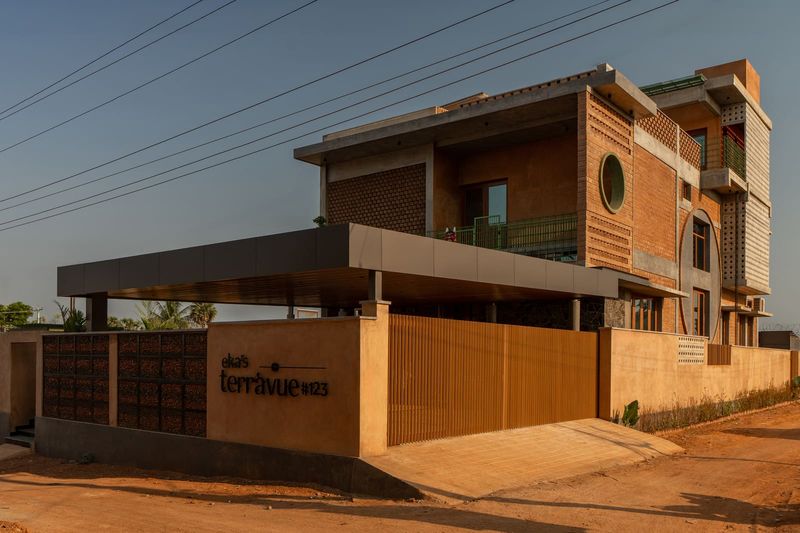
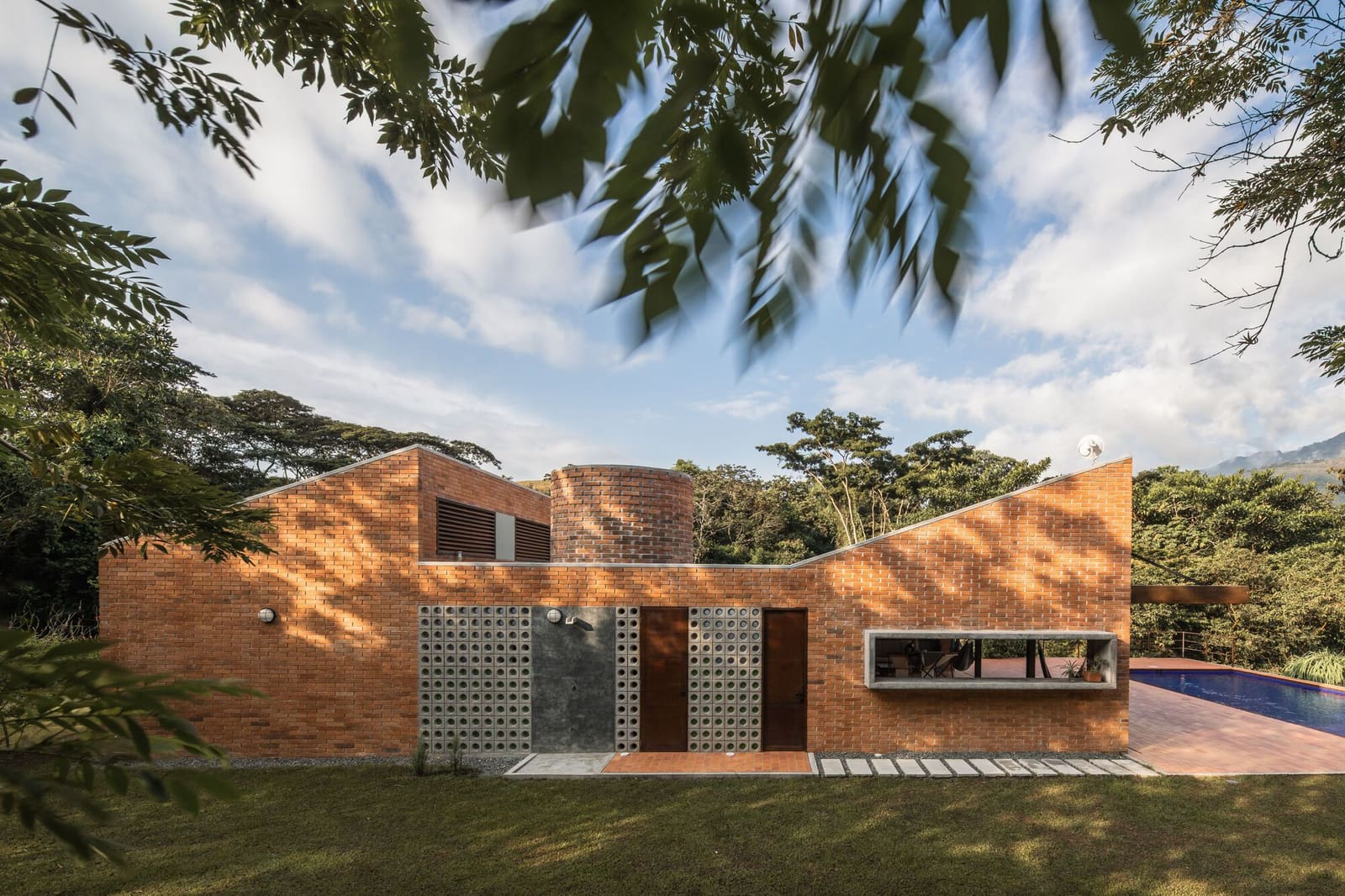
A recent survey of Colombian residential work reveals how contemporary practices are reinterpreting exposed brick. The twelve projects span urban and rural contexts, each deploying the material with distinct spatial and tectonic intent. What unites them is a refusal to treat brick as cladding alone. Instead, the material operates as structure, envelope, and finish simultaneously, collapsing the typical layering of building systems.
In several of the houses, brick defines the massing strategy. Perforated walls modulate light and ventilation, a technique with deep roots in tropical modernism but executed here with regional specificity. The units themselves, often slightly irregular in dimension, introduce a tactile quality that machine-made materials cannot replicate. Mortar joints become expressive elements, sometimes recessed to emphasize the individual brick, other times flush to create a more monolithic surface.
Material honesty is a recurring theme. Where brick is load-bearing, it reads as such. Where it serves as infill within a concrete frame, the distinction remains legible. This clarity of construction aligns with a broader shift in Colombian architecture toward what might be called tectonic transparency, an approach that prioritizes the legibility of how buildings are made.
Craft and Technology in Dialogue
The persistence of artisanal brick production does not imply technological stasis. Several of the surveyed houses employ advanced fabrication methods: parametrically designed bond patterns, prefabricated panel systems, and hybrid assemblies that combine brick with steel or timber. These innovations extend the material's formal range without erasing its vernacular associations.
One project uses a double-wythe cavity wall, an old technique given new purpose for thermal performance. Another integrates brick with rammed earth, merging two clay-based systems into a single envelope. A third experiments with soldier courses and corbelling to create deep overhangs, a response to solar exposure that also generates dynamic shadow play across the facade.
The material's thermal mass makes it particularly suited to Colombia's varied climates. In the cooler highland regions around Bogotá, brick walls stabilize interior temperatures, reducing reliance on mechanical heating. In warmer zones, perforated brick screens allow cross-ventilation while maintaining privacy. These are functional decisions, but they carry aesthetic consequences, shaping the character of each house in ways that respond directly to site conditions.
Beyond the Capital: Regional Variations
While Bogotá's architecture is often the international face of Colombian design, the houses in this collection reflect a broader geographic and cultural range. Rural projects draw on adobe traditions, using sun-dried units that blur the line between earth and masonry. Urban infill houses maximize narrow lots with brick facades that mediate between public street and private interior.
In some cases, the brick is left completely untreated, its surface weathering over time in ways that record rain, sun, and wind. In others, a light sealant protects the material while preserving its texture. These decisions about finish and maintenance reflect different attitudes toward permanence and change, questions that residential architecture must always negotiate.
The color palette varies by region, determined by the local clay composition. Around Bogotá, bricks tend toward warm reds and browns. In other areas, they shift to pale pinks or deep ochres. This chromatic diversity reinforces the material's connection to place, a quality increasingly valued as architecture grapples with questions of sustainability and cultural identity.
Precedents and Parallels
Colombian brick architecture has precedents beyond Baresch. Rogelio Salmona, perhaps the country's most internationally recognized architect, built an entire practice around the material, using it to create monumental public buildings and intimate courtyards alike. His influence is evident in many contemporary projects, particularly in the attention to detail and the use of brick as a modular system capable of generating complex geometries.
Globally, the material connects Colombian work to a longer modernist tradition. The perforated brick screens recall Corbusier's brise-soleil experiments, while the emphasis on craft echoes Scandinavian approaches to materiality. Yet the Colombian interpretation remains distinct, shaped by local climate, labor practices, and aesthetic preferences.
The twelve houses also invite comparison with contemporary brick work elsewhere in Latin America. In Argentina and Uruguay, exposed brick has seen a resurgence in residential design, often paired with concrete or glass in ways that emphasize material contrast. Colombian architects tend toward greater homogeneity, allowing brick to dominate the composition rather than share the stage.
The Enduring Appeal of Clay
Brick's continued prominence in Colombian residential architecture suggests something beyond trend or habit. The material offers a rare combination of availability, durability, and beauty. It ages well, requires minimal maintenance, and can be sourced locally, reducing both cost and environmental impact. These practical advantages align with contemporary concerns about sustainability, even as the material's aesthetic qualities satisfy a desire for warmth and texture in domestic space.
As fabrication technology advances, the formal possibilities expand. Digital tools allow architects to design complex bond patterns and test structural performance before construction begins. Prefabrication streamlines assembly, making brick competitive with faster systems like steel framing or modular panels. Yet the material retains its essential character, a quality that cannot be fully replicated by substitutes.
The houses collected here demonstrate that exposed brick is not a relic of the past but a living design language. Each project interprets the material differently, responding to specific programmatic, climatic, and cultural conditions. Together, they form a compelling argument for the continued relevance of clay-based construction in contemporary residential architecture, not as nostalgia but as a pragmatic and expressive choice rooted in place.
Save this story. A free account keeps your reading list and the 07:00 email in one place.
CREATE FREE ACCOUNT →SIGN IN