
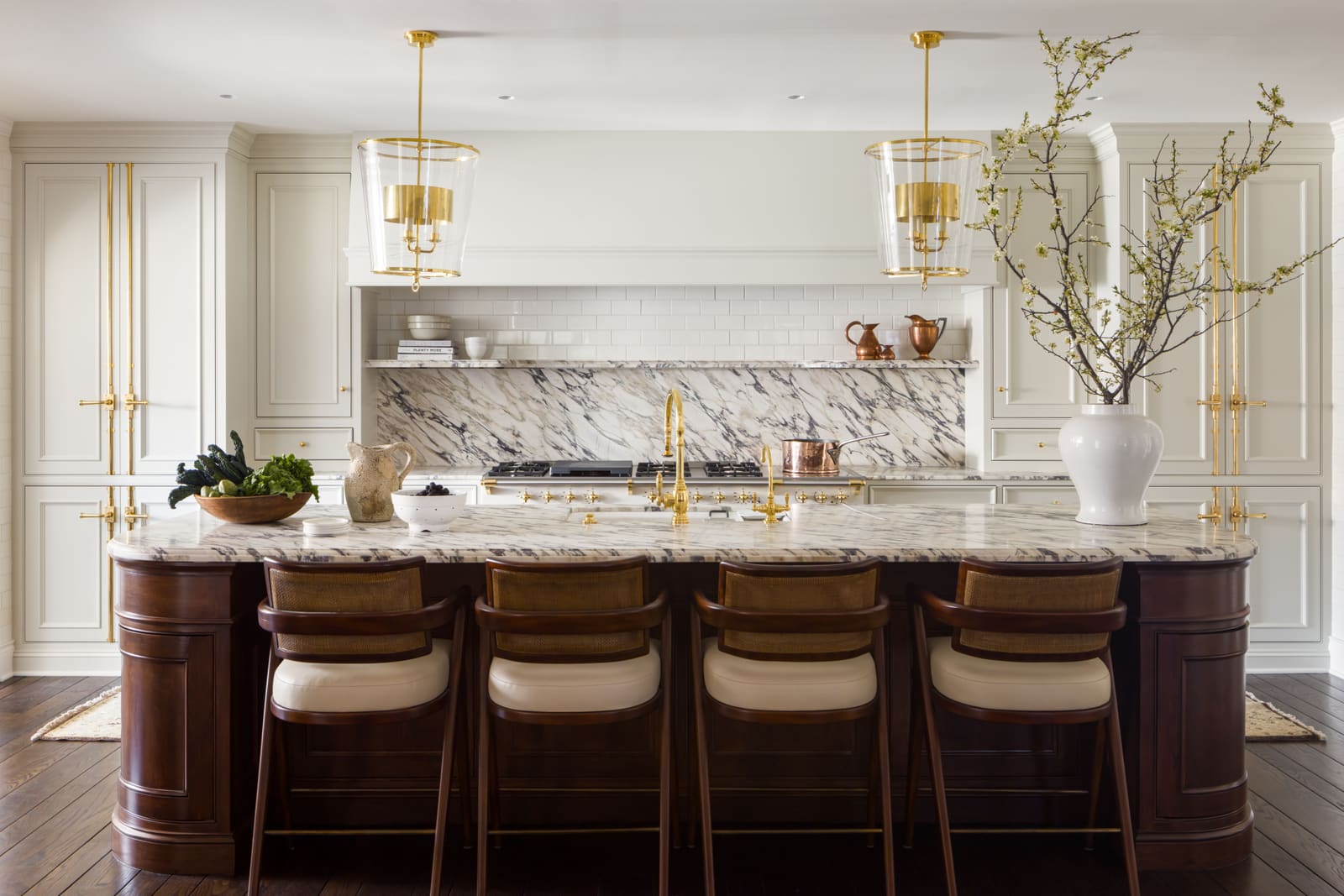
The Tactile Foundation of Design
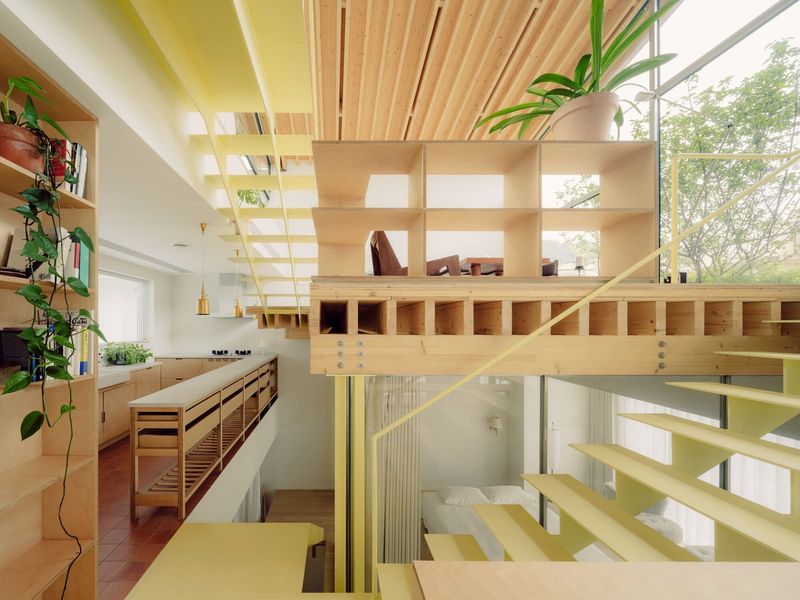
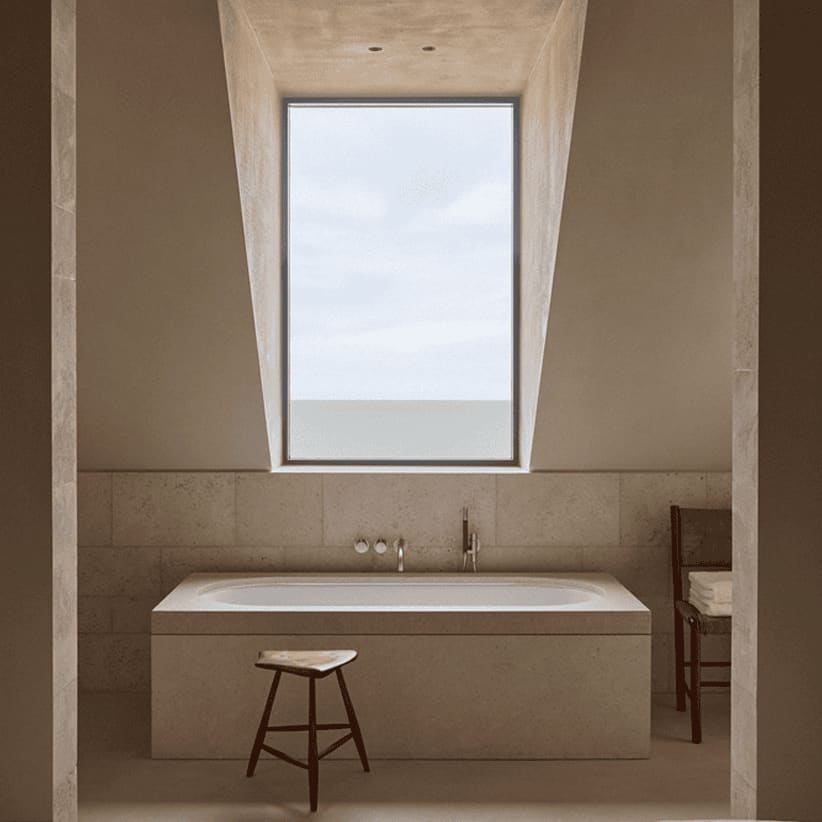
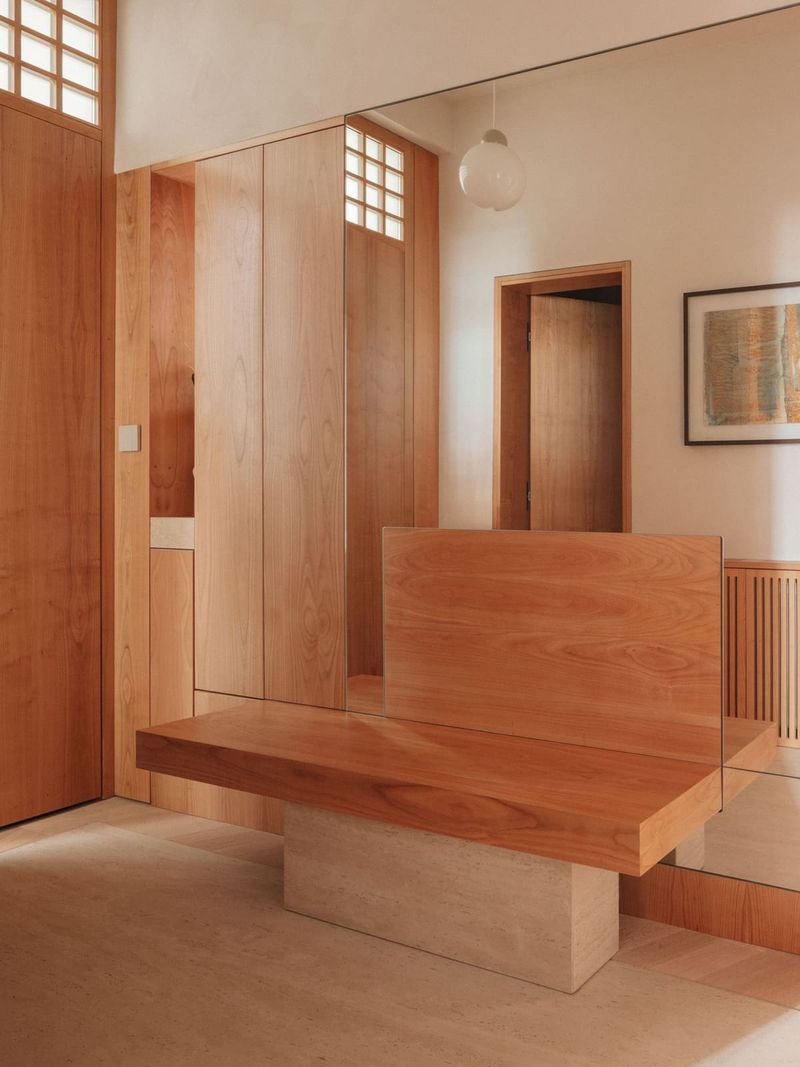
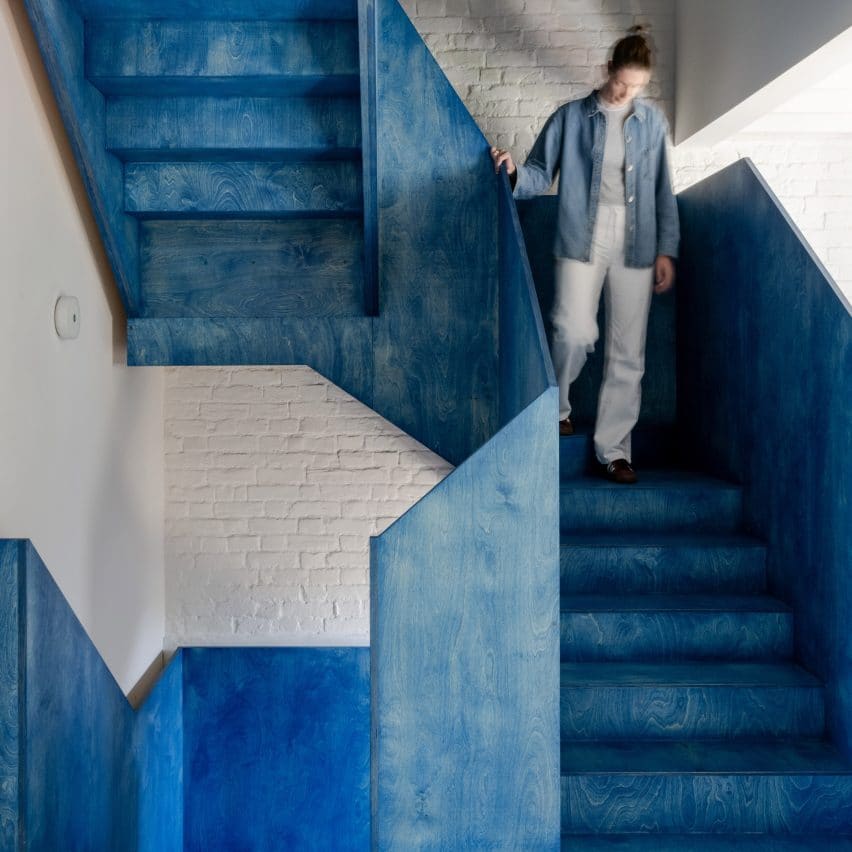
There is a moment in every well-designed interior when you stop noticing the furniture and start feeling the architecture. It happens when your hand reaches for a cabinet pull, when you lean against a paneled wall, when you slide open a drawer that glides without sound. This is the domain of millwork, the often invisible craft that transforms architectural drawings into tangible, livable space.
At World Archi Design, we have observed a renewed emphasis on bespoke fabrication across residential projects in recent years. While digital tools have democratised design visualisation, the execution of complex joinery, hand-carved detailing, and site-specific cabinetry remains a deeply human skill. The studios excelling in this field share a common trait: they operate at the intersection of traditional woodworking knowledge and contemporary fabrication technology, producing work that honours material integrity while meeting the functional demands of modern living.
Holly Freres, whose Portland-based practice specialises in historic renovation, articulates the stakes clearly. The elements occupants touch daily, she notes, define their experience of a space far more than any statement lighting fixture or imported tile. When millwork fails, it fails quietly but persistently, through drawers that bind, mouldings that read as thin, or proportions that feel subtly wrong. When it succeeds, it becomes the structural language of comfort.
Regional Traditions, National Standards
The geography of American millwork reflects both material availability and cultural lineage. In the Northeast, firms like Structure NYC have built reputations on navigating the spatial constraints and co-op board requirements of Manhattan apartments, where every centimetre of storage must be engineered with surgical precision. Their work often involves concealing modern conveniences, HVAC systems, and media equipment, within cabinetry that reads as architecturally permanent.
Further north, Woodmeister Master Builders operates from facilities in central Massachusetts and Nantucket, serving a clientele invested in both new construction and the restoration of historic properties. The firm, now in its fifth decade, has developed particular expertise in replicating period detailing, a skill that requires not only technical ability but also an understanding of how wood species, finishing techniques, and joinery methods have evolved over centuries. For architects working on Nantucket's stringent historic district projects, this institutional knowledge proves invaluable.
In the South, the conversation shifts. Memphis-based Kerns-Wilcheck began as an importer of salvaged European architectural elements before expanding into restoration and reproduction. Their Tennessee workshop now functions as both archive and atelier, where antique paneling is studied, documented, and recreated using period-appropriate methods. Brad Shapiro, an architect who collaborates with the studio regularly, describes their installation process as resembling surgical precision, each piece of wood treated as a component in a larger anatomical whole.
Mevers Custom Kitchens, despite its name, produces millwork for entire Lowcountry residences, from wine cellars to butler's pantries. The firm's strength lies in its fluency with the idiosyncrasies of Charleston and Savannah's historic housing stock, where floor levels shift, walls are rarely plumb, and every opening requires custom dimensioning. Emily Sanford, whose practice focuses on stewardship of these properties, emphasises the importance of working with fabricators who understand that historic preservation is not replication but thoughtful adaptation.
The Midwest Ethos: Materiality and Circularity
Midwestern millwork studios often foreground material honesty. Gillpatrick Woodworks, based outside Kansas City, builds cabinetry from solid wood rather than veneered substrates, a choice that increases both weight and cost but results in joinery that can be repaired and refinished indefinitely. This approach aligns with a broader regional sensibility that values durability over disposability.
Merritt Woodwork in Ohio occupies a different niche entirely. The firm's client list includes yacht interiors and collaborations with internationally recognised architecture practices such as Foster + Partners and Peter Marino Architect. Their work frequently involves hand-carved elements, custom veneering, and finishes that require weeks of labour per square metre. Suzanne Tucker, co-founder of a San Francisco firm that specifies Merritt regularly, points to their capacity for executing technically challenging commissions, projects where standard fabrication methods prove inadequate.
O'Brien Harris, with workshops in Chicago and Michigan, has carved out a distinctive position by adapting the aesthetic of unfitted British kitchens to American spatial expectations. Their designs avoid the seamless, appliance-integrating approach dominant in contemporary luxury kitchens, instead treating cabinetry as freestanding furniture. More significantly, the firm operates within a circular production model, recycling wood waste as horse bedding and prioritising renewable materials. This is not greenwashing; it reflects a manufacturing philosophy rooted in resource efficiency.
Parenti & Raffaelli, a family-run operation near Chicago, employs staff trained as LEED Green associates, positioning the firm to navigate the increasingly complex requirements of sustainable building certification. Their familiarity with material sourcing documentation, VOC limits, and FSC chain-of-custody protocols makes them particularly valuable to architects pursuing third-party environmental verification.
The West: Collaboration as Craft
Western millwork firms often describe their role in explicitly collaborative terms. Cabinet Shop US in San Francisco emphasises problem-solving over pattern replication, approaching each project as a series of technical challenges rather than a catalogue selection. Ansley Majit, a Sausalito-based designer, highlights their willingness to prototype, iterate, and engineer solutions for spatial constraints that emerge only during construction.
Willamette Carpentry, operating from Vancouver, Washington, has built a portfolio that ranges from historic paneling reproduction to custom rock-climbing walls and concealed doors. This breadth reflects a workshop culture that treats each commission as a one-off fabrication problem. For Holly Freres, who specifies the firm frequently, their value lies in their capacity to execute complicated moulding profiles with the dimensional accuracy required for historic work, where even minor proportion shifts become visually legible.
The Precedent Question
The contemporary millwork landscape invites comparison to earlier moments when craft and architecture operated in close dialogue. The Greene brothers' California bungalows, with their exposed joinery and integrated furniture, established a regional tradition of millwork as architectural expression. Decades later, the Scandinavian modernists, particularly Alvar Aalto and Finn Juhl, demonstrated that industrial materials and craft techniques could coexist, producing interiors where cabinetry functioned as spatial organiser rather than applied ornament.
Today's fabricators operate within a different economic and technological context, but the underlying questions remain consistent. How much handwork does a project require? When does CNC precision enhance craft, and when does it flatten it? What is the appropriate relationship between millwork and architecture: should cabinetry defer to the room, or can it define the room's character?
What Endures
The millwork studios profiled here share certain operational characteristics. Most maintain in-house workshops, retaining control over fabrication rather than outsourcing to subcontractors. Many are family-owned or operate as small partnerships, structures that allow for long apprenticeships and the transfer of tacit knowledge. All maintain direct relationships with architects and designers, participating in design development rather than simply executing shop drawings.
This model stands in contrast to the industrialised cabinetry sector, where standardised components and modular systems dominate. There is nothing inherently wrong with prefabrication; it serves a necessary market function. But the bespoke millwork atelier addresses a different set of priorities: site-specific dimensioning, material experimentation, and the accommodation of client preferences that fall outside parametric norms.
The economic sustainability of this craft model remains an open question. Training new woodworkers requires time and financial investment that many firms struggle to support. Material costs for premium hardwoods and sustainably sourced timber continue to rise. And the client base willing to pay for fully custom millwork, while stable, is not expanding rapidly.
Yet the work persists, driven by a combination of client demand, designer advocacy, and the satisfaction that comes from making durable, well-proportioned objects. In an era when much of residential construction has been rationalised toward efficiency and speed, the millwork studio represents a deliberate alternative: slower, more expensive, more particular, and often more enduring. Whether that model can scale or should scale is perhaps the wrong question. The more relevant inquiry is whether architecture can continue to make space for craft that operates outside industrial logic, and whether clients can be educated to value the difference.
Save this story. A free account keeps your reading list and the 07:00 email in one place.
CREATE FREE ACCOUNT →SIGN IN