

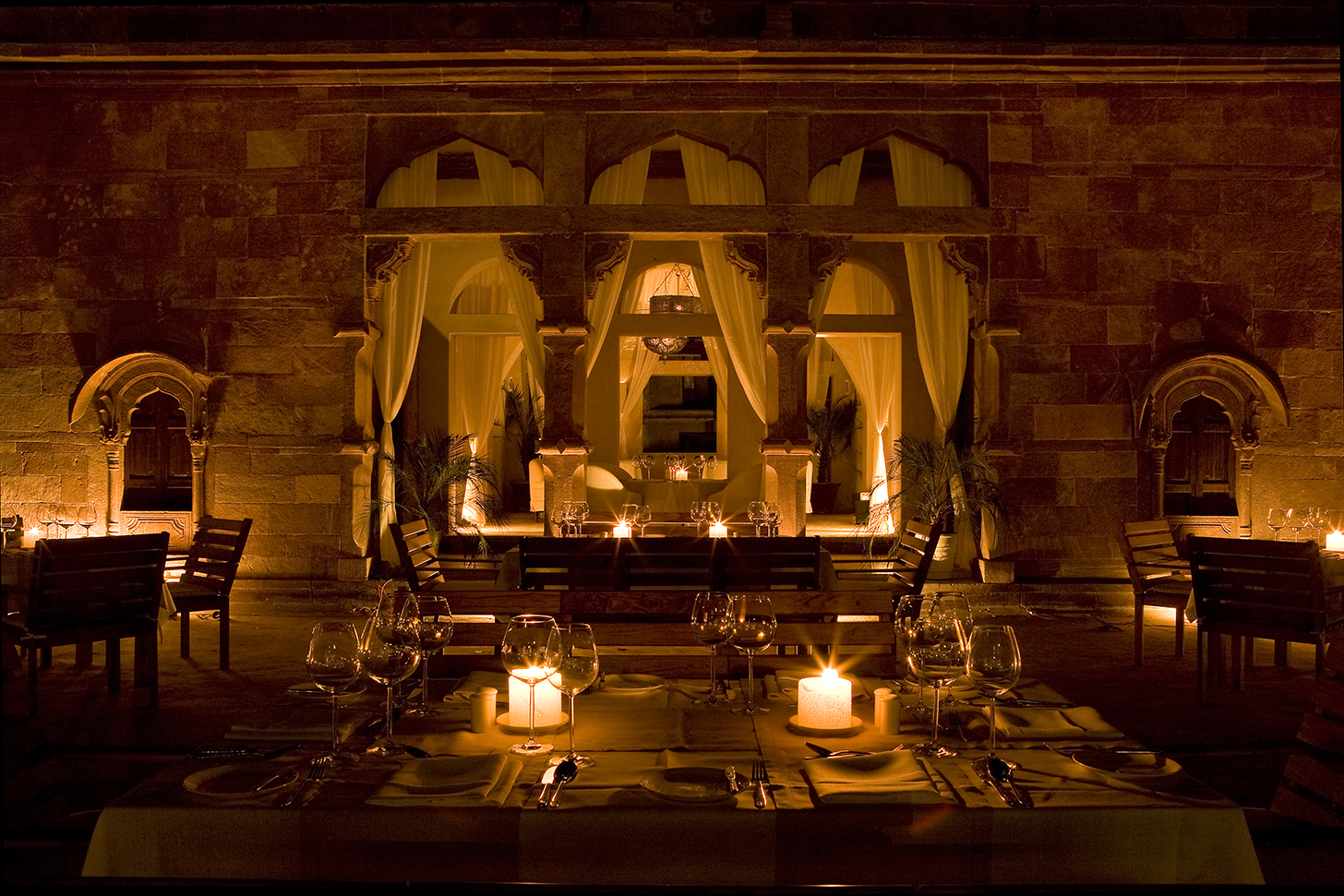
In the candlelit courts of fifteenth-century Europe, where frescoes adorned ceilings and music spilled from gilded halls, a quieter revolution was underway. Beyond the triumphs of painters and philosophers, the Renaissance was also the cradle of something less visible yet equally transformative: the codification of service.
What began as subtle rituals at banquets and household gatherings gradually evolved into the structured art of hospitality, laying the foundations for etiquette that continues to define luxury service today.
The Renaissance as Incubator
The Renaissance offered fertile ground for this transformation. Economic revival, urban expansion, and the circulation of wealth through trade routes created a new social elite eager to distinguish itself not only through possessions, but through the refinement of conduct. At courts in Florence, Venice, and later across France and England, the ability to serve with elegance became as vital as the food or wine itself.
Service was no longer an act of necessity; it was a performance, choreographed with precision to reflect hierarchy, power, and prestige.

Manuals, Rituals, and the New Language of Service
Etiquette manuals and household treatises of the period reveal the meticulous attention to detail that guided this new order. Instructions dictated how dishes should be presented, the order in which guests were greeted, and the precise gestures of deference owed to nobles at table.
The maître d’hôtel, steward, and attendant staff became essential figures in noble households, responsible for enforcing these codes with discipline. Their work was more than domestic labor - it was a language of status, a ritual of respectability. The very choreography of a banquet mirrored the paintings of the time: staged, balanced, and symbolically rich.

Material culture reinforced this emerging etiquette. Innovations in tableware - silver forks, fine linens, elaborate serving vessels - were not mere tools but instruments of performance. Architecture, too, adapted to this new sensibility.
Renaissance palaces introduced designated antechambers and service corridors to manage the discreet flow of attendants. The physical layout of space became a silent partner in the service ritual, ensuring that guests experienced seamless attention without witnessing the mechanics behind it.
When Service Became a Commodity
As etiquette left the courts and spread into the public sphere, its commercial dimension began to take shape. Inns, taverns, and early guesthouses, once rustic and functional, started to borrow from the refined codes of noble service. Merchants and travelers demanded more than shelter - they sought courtesy, order, and predictability.
Records from licensing registers and innkeepers’ manuals show the gradual professionalization of hospitality, where serving food and lodging became a marketable skill, charged at a premium. Service, once an obligation, had turned into a commodity.

The social implications of this shift were profound. Service etiquette crystallized relationships of power: who served, who was served, and how that dynamic was managed. Women in noble households often oversaw domestic ritual, while guild-trained men filled roles as stewards or cooks.
For the lower classes, service offered limited mobility, granting proximity to wealth and influence but reinforcing boundaries of class and labor. These dynamics underscore how etiquette was both a tool of refinement and a mirror of inequality.
Cross-Cultural Currents and Exchanges
Yet the Renaissance was not an isolated crucible. The influx of spices, silks, and foreign customs through Mediterranean and Ottoman trade networks influenced European service traditions. Diplomats and travelers brought home not only exotic goods but also modes of hospitality that blended into local practice.
The act of serving became a site of cultural exchange, where East met West in gestures as subtle as the pouring of wine or the offering of scented water.

A Legacy That Still Shapes Modern Hospitality
The legacy of this period resonates clearly today. Modern luxury hotels, with their emphasis on ritualized greetings, personalized dining, and discreet attentiveness, echo the Renaissance blueprint. The maître d’hôtel at a Michelin-starred restaurant stands as a direct descendant of the court steward, embodying the same balance of authority and elegance. Hospitality schools continue to teach service not merely as logistics, but as performance - eye contact, body language, tone - each detail drawn from traditions centuries old.
Historians often remind us that the Renaissance was not just a rebirth of art but a reinvention of everyday life. The refinement of service etiquette may lack the grandeur of a Botticelli painting or a Michelangelo sculpture, but it was no less revolutionary. It redefined how people related to one another, how spaces were designed, and how value was exchanged. Service became not just a function but a golden brushstroke across the canvas of human interaction, one that continues to color the way we dine, travel, and experience hospitality today.
Service as the Enduring Performance
In an age when hospitality brands seek to distinguish themselves through experience, heritage, and emotional connection, the Renaissance offers a striking lesson: that service, at its core, is art. And like all art, its origins tell us not only where we came from, but how we continue to perform the rituals of belonging in a world still hungry for grace.
Save this story. A free account keeps your reading list and the 07:00 email in one place.
CREATE FREE ACCOUNT →SIGN IN