
From Amenity to Architectural Imperative
For decades, the success of a building whether commercial or residential was measured by location, square footage, and visual appeal. Today, however, a new, far more intimate metric is dictating property value and occupancy rates: human performance and psychological comfort. The rise of the Wellness Economy is not a passing trend it is a fundamental market correction that recognizes the built environment’s profound, quantifiable impact on human health, sleep quality, and mental balance.
Wellness has ceased to be a simple amenity a gym or a yoga studio and has become an architectural imperative, woven into the very DNA of a building’s design and operation. This shift is particularly evident as Gen Z and Millennial cohorts demand environments that actively support their mental and physical well being, turning building quality into a crucial differentiator in competitive markets.
The Economic Case for Biophilia and Sensorics
The shift is driven by hard economics, particularly in the competitive labor and housing markets. Companies find that investing in workspaces certified by standards like WELL or Fitwel leads to measurable increases in employee productivity, retention, and significant decreases in healthcare costs and absenteeism. This translates wellness directly into Return on Investment (ROI), making healthy design a financially astute decision not just a charitable one.
The design response to this imperative is multifaceted and deeply scientific:
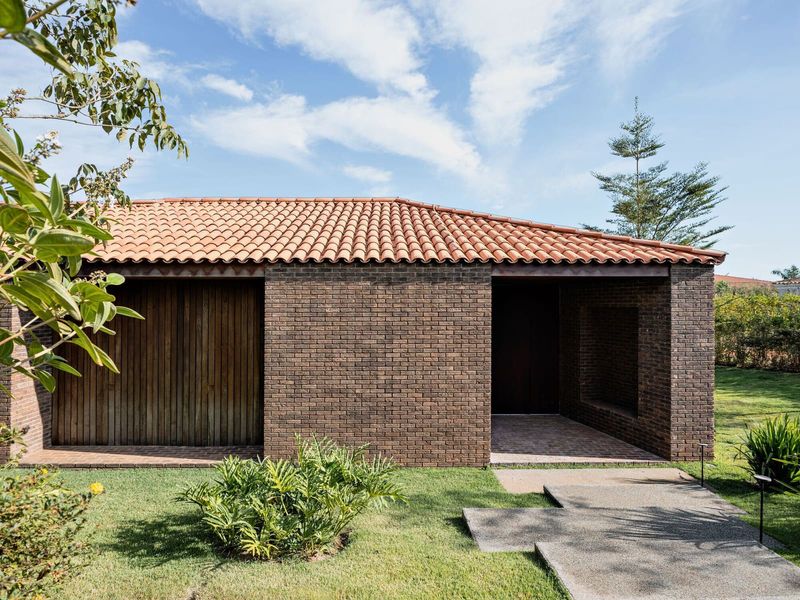
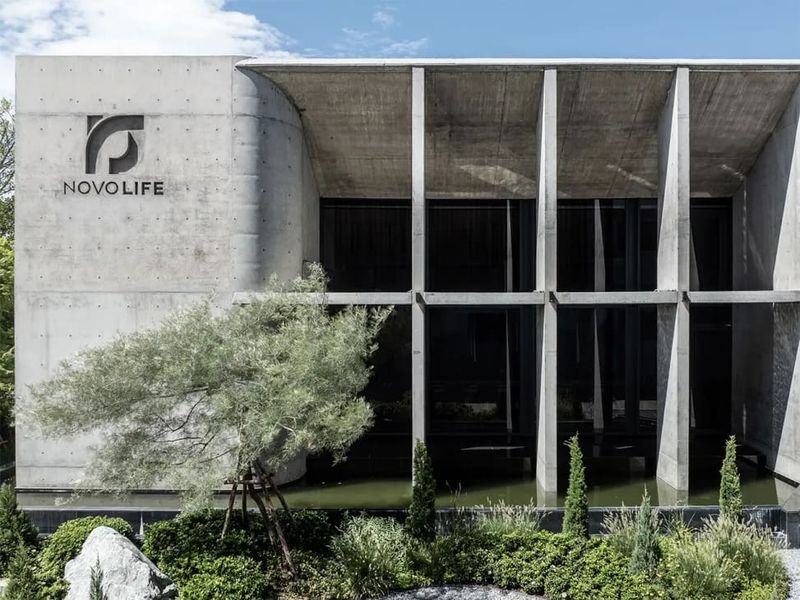
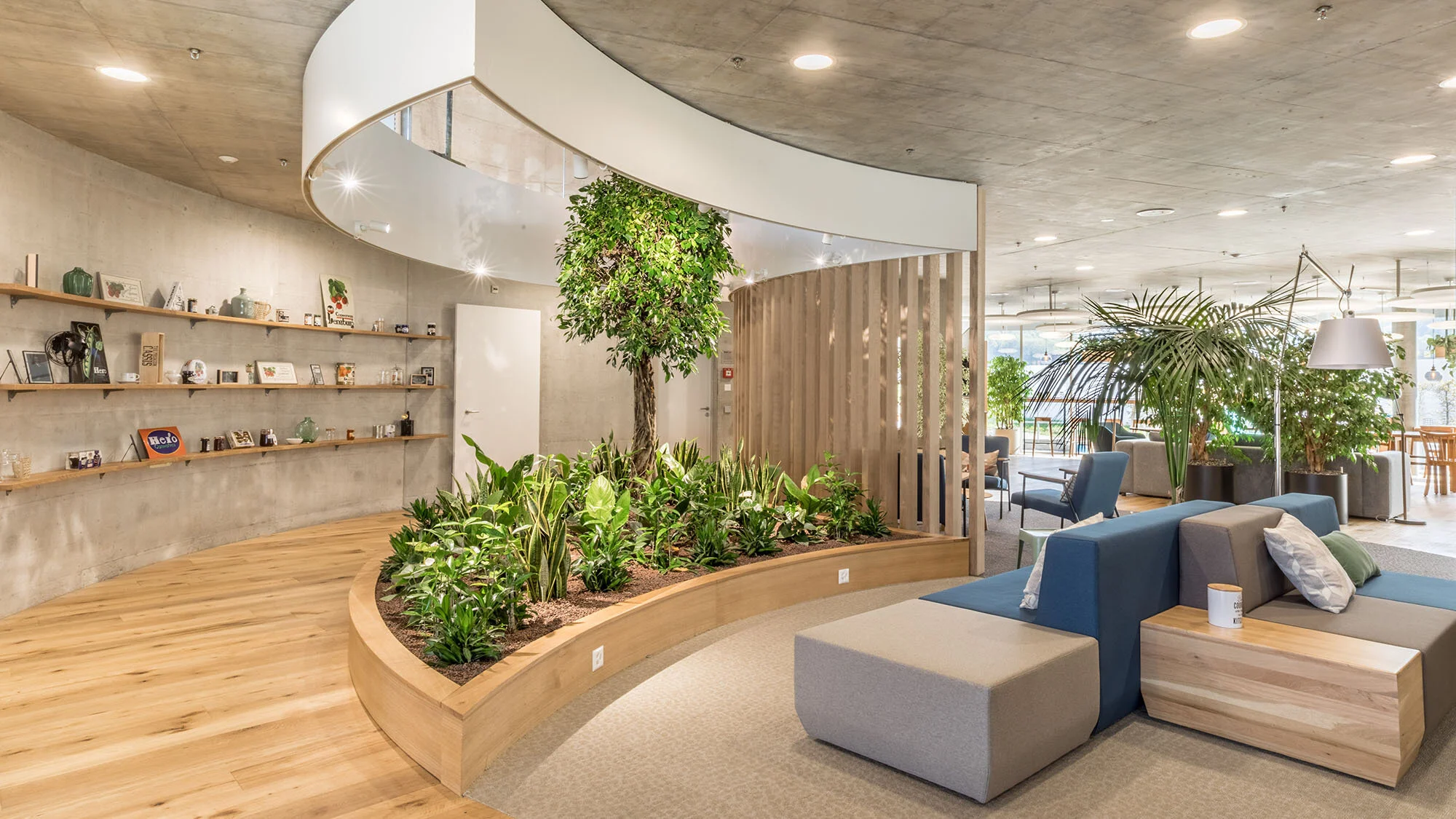
1. The Biophilic Dividend: Biophilic design the integration of natural elements and patterns is no longer decorative. Access to natural light and views of greenery have been proven to lower cortisol levels and improve cognitive function. Architects are now prioritizing unobstructed solar exposure and designing structures with internal biophilic atriums and external green roofs not for visual pleasure, but for their proven psychological benefits.

Source: MGS Architecture
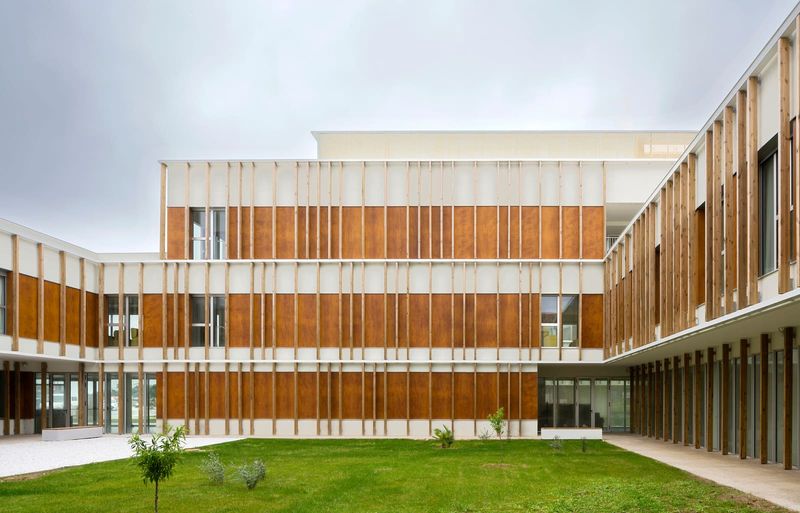
2. Engineering Sleep and Focus: The modern emphasis on sleep health and mental balance has moved beyond the bedroom. In residential design, this means a rigorous focus on acoustic separation (achieving high Sound Transmission Class or STC ratings) and advanced Circadian Lighting Systems. These systems dynamically adjust light temperature and intensity throughout the day, supporting the body’s natural clock bright, cool light for focus in the morning, gradually shifting to warm, dim light to prepare the brain for rest. This optimization of the sensory environment is crucial for mitigating the stress inherent in modern urban living.

Source: Deezen
Housing and the "Sanctuary Premium"
The residential sector is experiencing the sharpest market pull. Post pandemic, the home is irreversibly viewed as a multi functional sanctuary. Buyers and renters are increasingly willing to pay a "Sanctuary Premium" for homes that guarantee superior air quality (HEPA and carbon filtration), pure water (point of use filtration), and temperature zoning specifically optimized for rest. The market has dictated that invisible infrastructure purity of air and water is now more valuable than visible luxury finishes.
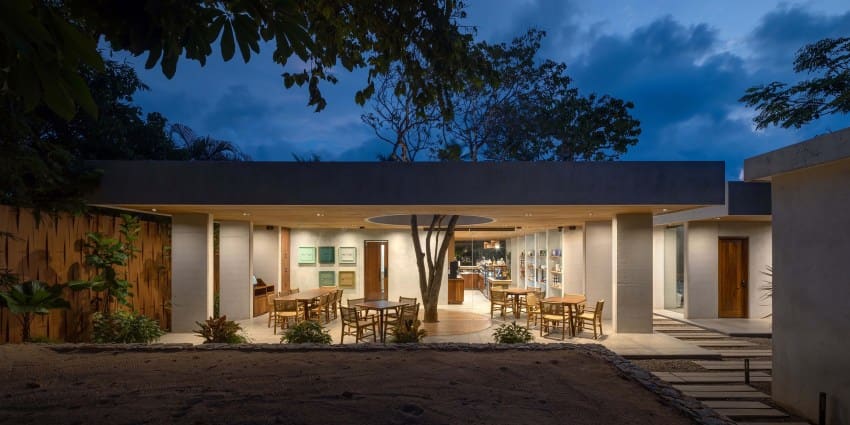
The design of communal spaces has simultaneously transformed from generic lobbies to decompression zones. This includes incorporating silent meditation rooms, dedicated "digital detox" lounges (spaces where technology use is discouraged), and outdoor sensory gardens built for quiet contemplation, fundamentally shifting the social contract between the resident and their living complex. These spaces offer crucial moments of restoration that mitigate the constant stimulation of the modern digital world.

Source: OPUMO
The Future is Personalization and Radical Transparency
While the market is enthusiastically embracing wellness, the next decade demands two radical shifts to solidify its permanence: personalization and radical transparency.
Currently, many projects are "wellness adjacent," utilizing surface level amenities without addressing the foundational elements like poor air filtration or inadequate soundproofing. True leadership in this market will come from developers and architects who practice radical transparency, providing real time data to occupants on the air quality index (AQI) of their apartment, the noise levels of their workspace, and the purity of their water making wellness quantifiable and accountable. This empowers the user to trust the environment they inhabit.
Furthermore, design must move towards personalization. The future of high end housing will involve spaces that can instantly adapt to an individual’s neuro needs: lighting that changes based on heart rate data, acoustics that can be tuned to isolate specific frequencies, and internal environments that truly support personalized mental balance. By quantifying and responding to human biological data, architecture can secure wellness’s place as the most significant, long term market driver in the built environment.
PHOTO CREDITS: Biofilico, MGS Architecture, Deezen, OPUMO
Save this story. A free account keeps your reading list and the 07:00 email in one place.
CREATE FREE ACCOUNT →SIGN IN